
BY LINDELWA MYENI
MBABANE– Eswatini’s ambitions to grow handball from the grassroots are receiving a major boost as 24 aspiring coaches undergo specialised training designed to equip them with the skills needed to identify, develop and nurture the country’s next generation of players.
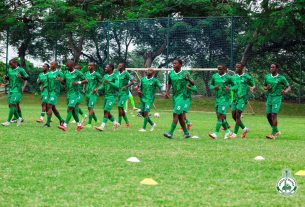
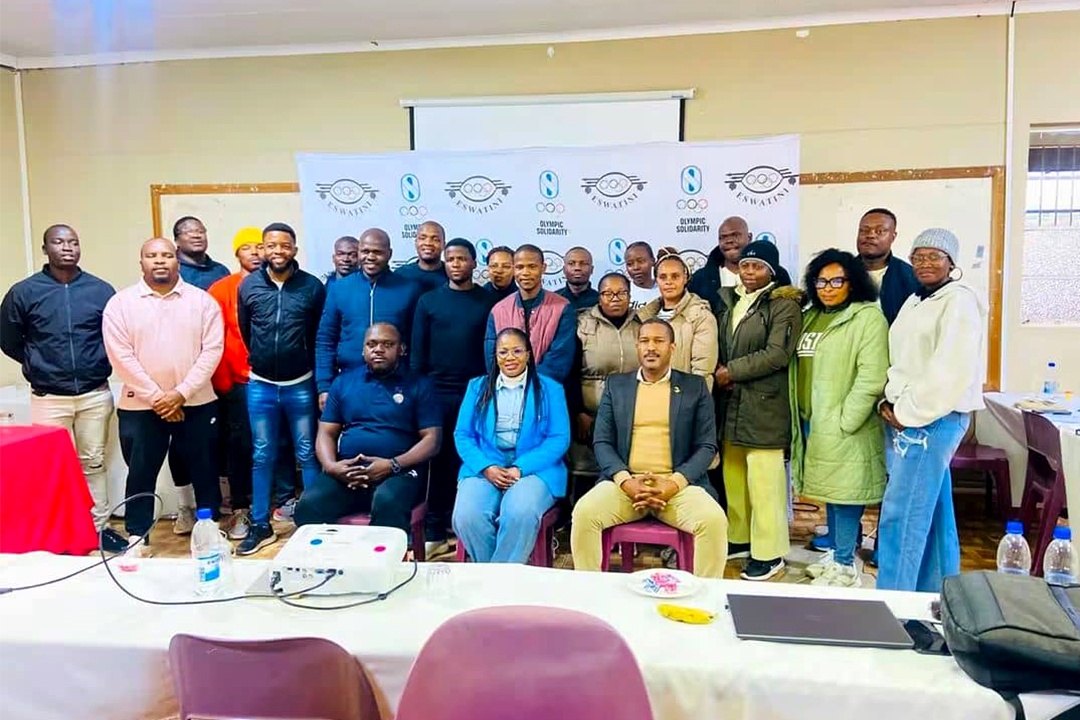
The five-day Licence D Coaching Course, currently underway at Caritas in Manzini, has brought together 24 coaching candidates and 16 athletes for an intensive programme combining classroom learning with practical coaching sessions.
The course, which started on Monday, August 10 and runs until Friday, August 14, 2026, is being facilitated by experienced Rwandan handball coach Anaclet Bagirishya.

For Eswatini, the programme represents more than just a coaching course. It is an investment in the people who will ultimately be responsible for introducing children and young athletes to the sport, sharpening their abilities and creating a stronger pipeline of talent from schools and communities into competitive handball.
The training is supported through the International Olympic Committee’s Olympic Solidarity programme, which assists sporting organisations around the world in strengthening technical capacity, particularly through coach education and skills development.
Participants are being introduced to the fundamentals of modern handball coaching, including basic rules of the game, technical skills, tactical concepts, planning effective training sessions, safety and injury prevention, as well as coaching ethics and responsibilities.
However, the programme is not limited to theory.
A major component of the course involves practical sessions where coaching candidates take charge of athletes under supervision, allowing them to immediately apply what they have learnt in the classroom.
The practical approach gives participants an opportunity to understand how to communicate instructions, organise training sessions, assess players and respond to situations that arise during actual coaching.
By placing coaches in a real training environment, the programme is expected to help build confidence and ensure that participants leave the course with skills they can immediately apply in schools, clubs and communities.
This could prove particularly important for grassroots development, where qualified and knowledgeable coaches often play a decisive role in whether young players remain interested in a sport and successfully progress through the different stages of development.
The initiative is therefore expected to strengthen handball at school and community level by creating a wider pool of coaches capable of identifying promising players at an early age and guiding them through proper technical development.
With stronger coaching structures at grassroots level, more young emaSwati could be exposed to organised handball and receive quality instruction from the beginning of their sporting journeys.
The presence of 16 athletes during the programme also gives the coaching candidates valuable hands-on experience while providing the players themselves with an opportunity to benefit from structured training.
The course further demonstrates the importance of coach education in sustainable sports development. While facilities, equipment and competitions remain essential, trained coaches provide the technical foundation required to turn participation into long-term athlete development.
As Eswatini continues working to broaden participation in different sporting codes, strengthening the knowledge and abilities of grassroots coaches could help ensure that emerging talent is properly identified and developed instead of being lost along the way.
Running from August 10 to 14, the Licence D Coaching Course forms part of efforts to establish a stronger and more sustainable coaching base capable of supporting the continued growth of handball in the Kingdom.
For the 24 coaching candidates taking part, the programme offers an opportunity to gain knowledge that could ultimately influence hundreds of young players in schools and communities.
And for Eswatini handball, every newly trained coach potentially represents another doorway through which a young athlete could discover, develop and eventually excel in the sport.
(Courtesy Pic)