



BY SIBUSISEKILE NDLANGAMANDLA
MANZINI– For some Emaswati, September 6 is a memory. For others, it is a lesson in history. For a younger generation, it is a national day they have grown up celebrating without ever knowing what it meant to live in a country that had not yet gained its independence.
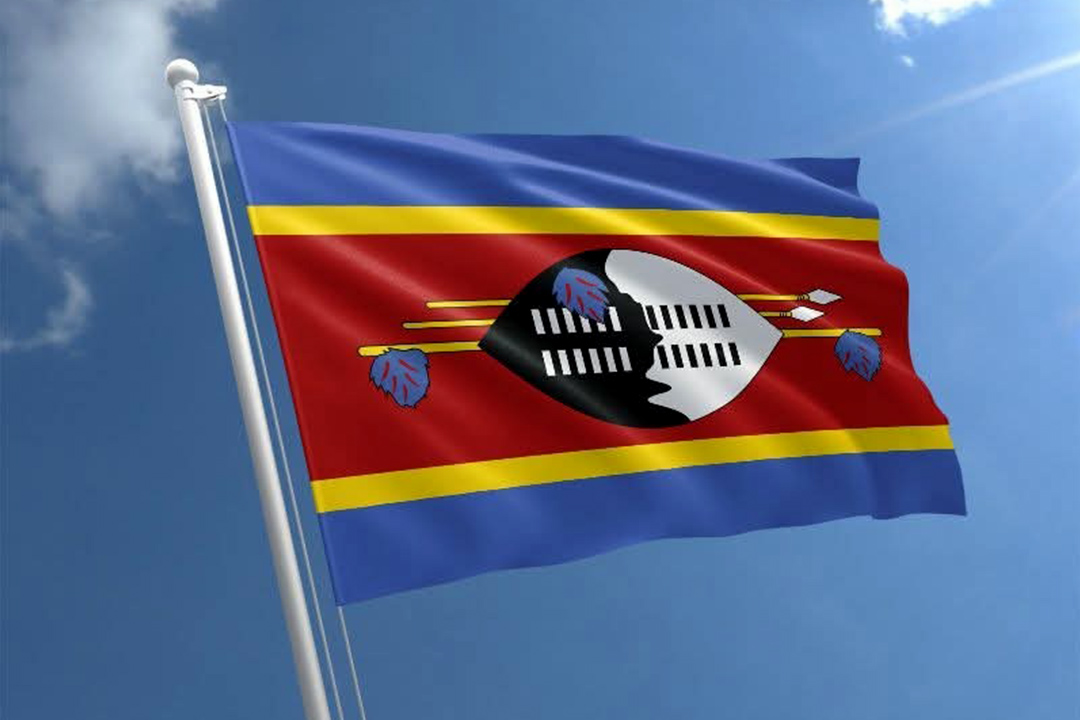
This year, Eswatini marks 58 years of independence. September 6, 1968, marked an important turning point in the country’s history. It was the beginning of a new chapter, one in which Eswatini would determine its own path and build its future as an independent nation.
58 years later, independence is no longer only about a date in a history book. It is a story of identity, culture, progress, challenges and, most importantly, the future. The meaning of independence has also changed with every generation. Those who witnessed the events surrounding 1968 carry memories of a country beginning a new journey. For them, independence was something they experienced.
For those born after independence, the experience is different. They inherited a sovereign country. They grew up celebrating national days, learning about the country’s history and experiencing the freedom to identify simply as Emaswati.
For today’s young generation, independence is not necessarily about remembering life before 1968. It is about asking a different question: What are we doing with the independence we inherited?
KEEPING OUR IDENTITY
One of the strongest expressions of Eswatini’s independence remains its identity. Despite living in an increasingly connected and modern world, the country continues to hold on to traditions and cultural practices that connect generations.
Events such as Umhlanga and Incwala continue to remind Emaswati of where they come from while introducing younger generations to customs that have been passed down over time.
Culture, therefore, is more than a celebration It is a connection. A young person participating in a cultural event today is becoming part of a story that began long before they were born. In the same way, an older generation sees its traditions continuing through the young people who will carry them into the future.
The challenge, however, is to ensure that modernisation does not mean losing identity. Eswatini can embrace technology, innovation and global opportunities while remaining proud of the culture and values that make it unique.
WHAT DOES INDEPENDENCE MEAN TO THE YOUTH?
For the young person searching for employment, independence may mean opportunity. For the entrepreneur with a business idea, it may mean access to finance, markets and support. For the student, it may mean access to education and skills that can prepare them for a changing world.
The young people of today were not there in 1968, but they will determine what the next chapter of Eswatini’s independence looks like. That is why independence cannot only be something that is celebrated once a year. It must also be reflected in the opportunities available to people every day.
A young entrepreneur who starts a business and creates employment is contributing to the country’s future. A farmer adopting new methods is contributing. A young person developing a technological solution to a local problem is contributing. An artist, musician or creative taking Eswatini’s talent and culture to the world is also contributing.
Independence becomes meaningful when people are given the opportunity to participate in building their country.
BUILDING BEYOND THE CELEBRATION
As Eswatini marks 58 years of independence, the country continues to face the challenge of creating sustainable economic opportunities. Political independence gave the nation the opportunity to govern itself. The responsibility of every generation that followed has been to strengthen and develop the country.
Today, that responsibility includes building businesses, creating jobs, developing skills and finding new ways of competing in an increasingly global economy. The future will require Emaswati not only to consume what others produce but also to become creators, innovators and producers.
The country’s young people, businesses, farmers and professionals all have a role to play. At the same time, independence must be inclusive. Its benefits should reach women, young people, people living with disabilities, rural communities and small businesses.
A country’s progress cannot only be measured by what happens in its cities or at national celebrations. It must also be reflected in the lives of ordinary people.
THE NEXT CHAPTER
Fifty-eight years is a long journey, but it is also a reminder that the country’s story is still being written. The Eswatini of 2026 is different from the Eswatini of 1968. The world has changed. Technology has changed the way people communicate and work. Young people have new ambitions, while global challenges such as climate change continue to shape the future.
Yet one question remains: What kind of Eswatini do we want to build? The next 58 years will depend on the decisions made today. They will depend on how the country invests in its young people, protects its environment, supports innovation and creates opportunities. They will also depend on the ability of Emaswati to preserve what is valuable from the past while embracing what is necessary for the future.
As the country celebrates Independence Day, the occasion is an opportunity to honour those who shaped the journey to independence. But it is also a reminder that independence is not a finished story. The Eswatini we celebrate today was built by those who came before us. Independence is more than 1968. It is more than a national holiday. It is the Eswatini we have inherited, the identity we continue to protect and the future we choose to build.
(Courtesy Pic)