BY MFANUFIKILE KHATHWANE
MBABANE – On Saturday, September 6, 2025, Eswatini will mark 57 years of independence, a milestone that reflects both the strength of its cultural heritage and the Kingdom’s determination to embrace innovation and economic growth.

This year’s celebration not only honours the country’s history but also highlights its commitment to leveraging technology, artificial intelligence, and sustainable development to create jobs and improve livelihoods for its citizens.
Eswatini gained independence from British colonial rule in 1968, under the leadership of King Sobhuza II. That historic moment marked the beginning of a new era of self-determination and sovereignty, allowing Eswatini to chart its own path politically, socially, and economically. The independence era laid the foundation for the country’s progress, enabling successive governments and traditional leadership to focus on development, unity, and national pride.

In 2018, Eswatini commemorated its golden jubilee and officially changed its name from Swaziland to Eswatini, reinforcing the nation’s cultural identity and heritage. The decision was celebrated as a reaffirmation of Eswatini’s independence, heritage, and self-determination, sending a strong message to the world that the Kingdom embraces its traditions while looking forward to modern development.

Progress Across Key Sectors

Technology and Digital Transformation:
Eswatini has made significant strides in digital transformation. The launch of the Government In Your Hand mobile application has revolutionised access to public services, integrating twelve government programmes into one platform. Citizens can now access services such as licensing, health information, and business registrations directly from their phones, saving time and improving efficiency. This digital shift also provides opportunities for young people to acquire skills in emerging technologies, positioning them for careers in the knowledge economy.

Infrastructure and Connectivity:
Over the years, Eswatini has invested heavily in infrastructure, improving connectivity and fostering economic growth. The construction of Sikhuphe International Airport, modern hotels, bridges, community halls, and expanded road networks has strengthened trade, tourism, and investment opportunities. Such projects have created jobs and made it easier for businesses to operate, linking urban and rural communities more effectively.
Education and Skills Development:
Education remains a cornerstone of Eswatini’s development. Continued investment in primary, secondary, and tertiary education has increased literacy rates and created opportunities for young people. Initiatives such as free primary education and online courses in artificial intelligence, coding, and digital skills offered by the Ministry of ICT aim to prepare students for a rapidly evolving job market. These programs empower the youth to contribute meaningfully to national growth and innovation.
Healthcare Advancements:
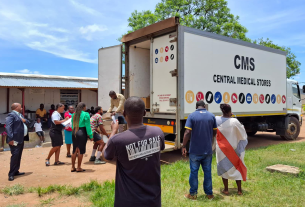
Eswatini has also embraced healthcare innovation. Mobile medical vehicles now travel to remote communities, conducting screenings for diseases such as cancer and providing essential healthcare services. These efforts improve access to medical care, particularly for underserved populations, ensuring that health services reach every corner of the Kingdom.
Women’s Empowerment:
Empowering women is central to Eswatini’s vision for sustainable development. Technology and entrepreneurship platforms are enabling women to take on leadership roles in both public and private sectors. Programs that promote financial literacy, business development, and access to resources have strengthened women’s participation in economic activities, contributing to national progress.

Energy Access and Sustainability:
With support from the World Bank, the ASCENT project aims to provide universal electricity access by 2030. Around 50,000 households are expected to benefit, bringing light and opportunity to communities that previously lacked power. Access to electricity not only improves quality of life but also enables small businesses, educational institutions, and healthcare facilities to operate more effectively.

Foreign Investment and Industrial Growth:
Eswatini continues to attract foreign investment, boosting industrial growth and job creation. A notable investment is the E6 billion industrial park project from Taiwan, expected to generate over 5,000 jobs by 2026. Such projects contribute to economic diversification, positioning the Kingdom as a competitive investment destination in Southern Africa.
Looking Ahead: Independence and Innovation
This year’s independence celebrations are more than a commemoration of the past; they are a call to action. Eswatini is embracing digital transformation, artificial intelligence, and the green economy as tools for national development. Artificial intelligence, rather than replacing jobs, is being leveraged to create new employment opportunities, drive innovation, and improve public service delivery.

Independence Day also serves as a reminder of the Kingdom’s cultural richness. The integration of tradition with modernity reflects Eswatini’s ability to honour its heritage while pursuing innovation. Programs across technology, education, healthcare, and infrastructure demonstrate a holistic approach to nation-building that values both people and progress.
As Eswatini turns 57, Somhlolo Day continues to inspire hope, reminding citizens that independence is an ongoing journey. The celebration underscores the message that Eswatini’s past achievements are a foundation, but its future success depends on embracing innovation, empowering its people, and safeguarding cultural values. Independence is not only a historic victory but also a living process of national growth, resilience, and collective advancement.
Eswatini at 57: Key Achievements Since Independence
Technology & Innovation
- Government In Your Hand mobile app integrates 12 public services for citizens.
- Online courses in AI, coding, and digital skills offered to empower youth.
Infrastructure & Connectivity
- Construction of Sikhuphe International Airport, modern hotels, and bridges.
- Expanded road networks linking urban and rural communities.
Education
- Free primary education continues to improve literacy rates.
- Investment in schools and tertiary institutions expands access to quality education.
Healthcare
- Mobile medical vehicles provide cancer screenings and essential health services in remote areas.
- Increased access to healthcare facilities across the country.
Women’s Empowerment
- Technology and entrepreneurship platforms support women in leadership and business.
- Financial literacy and business development programs enhance participation in the economy.
Energy Access
- ASCENT project aims to provide electricity to 50 000 households by 2030.
- Renewable energy initiatives supporting sustainable growth.
Foreign Investment & Industrial Growth
- E6 billion industrial park project from Taiwan expected to create 5,000+ jobs by 2026.
- Growing industrial sector contributes to economic diversification and job creation.
Cultural Heritage
- Name change from Swaziland to Eswatini reinforced national pride.
- Annual celebrations like Umhlanga Reed Dance and Somhlolo Day preserve traditions.
Sustainable Development & Green Economy
- Integration of AI and innovation to drive economic growth while preserving natural resources.
- Commitment to balancing modernization with cultural and environmental protection.
(Courtesy Pics)