


BY THEMBA ZWANE
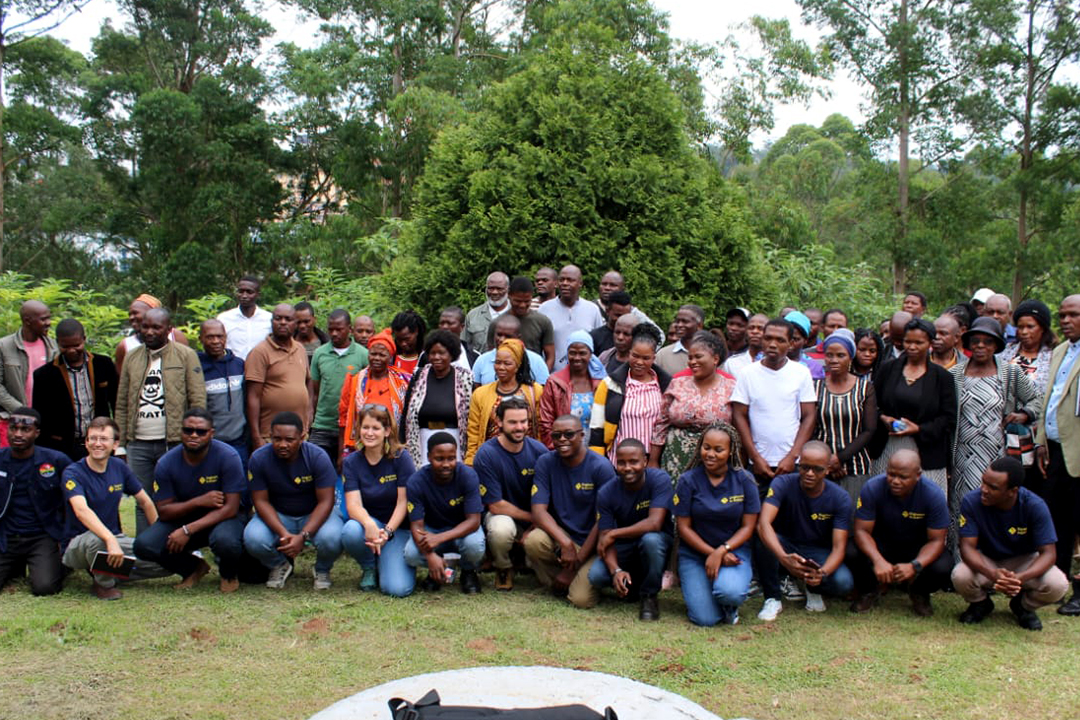
MBABANE– More than 80 community representatives have taken part in the official launch of the Engineers in Action (EIA) and Ministry of Economic Planning and Development Microprojects Programme 2026 bridge building season, marking a significant step towards improving rural access and connectivity across Eswatini.
The launch was held last Friday at Thokoza Church in Mbabane, where participants attended a bridge committee training session aimed at preparing communities for the construction of eight new footbridges scheduled for 2026. The participants represented communities from Zombodze Emuva, Vusweni, Nsingweni, Khubutha, Nkhaba, Ndzingeni, Ntfonjeni, Sandleni and Siphofaneni.
The training session marked the first phase of the 2026 build season, equipping community bridge committees with essential knowledge on planning, construction processes, roles and responsibilities. These committees play a vital role in ensuring that projects are delivered efficiently and sustainably, with strong community ownership.
The bridges to be constructed in 2026 are expected to benefit more than 18,000 people, providing safe and reliable access to schools, health facilities, markets and other essential services. In many rural areas, rivers become dangerous or impassable during the rainy season, isolating communities and disrupting daily life. The new bridges will significantly reduce these risks and improve social and economic mobility.

This year’s programme will include four suspension bridges, two suspended bridges and, for the first time, hybrid bridges that combine suspension and suspended construction techniques. The introduction of hybrid bridges is designed to better respond to diverse terrain and river conditions across the country.
EIA Eswatini Programme Manager Ana Jovanovic said the organisation continues to strengthen its technical approach to bridge construction. “EIA is introducing improved designs that allow bridges to be built in a wider range of locations,” she said. “In 2026, the programme will also pilot the use of steel decking for selected bridges, which will enhance durability and long-term sustainability.”
Community Development Officer Mduduzi Mdluli emphasised that community participation remains central to the success of the programme. “These bridges are built with the community, not just for the community,” he said. He explained that local contributions, including the collection of river sand and natural rock, labour during construction and accommodation for international volunteers, are essential to each project.
“This model has proven successful over the years because it creates ownership and responsibility,” Mdluli added. “When communities are involved from the beginning, they protect and maintain the bridges for decades. These structures are expected to serve communities for at least 50 years.”
Participation during the training was described as highly active, with committee members asking detailed questions and seeking clarity on construction timelines, processes and expectations. The discussions reflected strong commitment and enthusiasm, signalling readiness among communities to support and sustain the 2026 bridge building programme.
(Courtesy Pic)