


BY GCWALISILE MHLABANE
MBABANE – The Government of the Kingdom of Eswatini, through the Ministry of Agriculture, has announced a partial relaxation of livestock movement controls as part of ongoing efforts to manage and contain the Foot and Mouth Disease (FMD) outbreak affecting cattle, goats, sheep, and pigs in selected parts of the country.
The move reflects steady progress in containment efforts while maintaining strict veterinary oversight to ensure the livestock sector remains protected and disease spread is fully controlled.
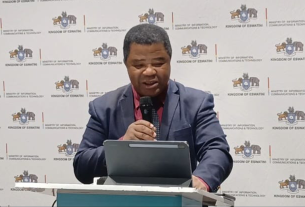
Hon. Mandla Tshawuka, Minister of Agriculture, said the decision is guided by veterinary science, field surveillance data, and the need to support farmers within a controlled environment.
“We are carefully allowing movement where it is safe, while maintaining strict controls in higher-risk areas. The priority remains full containment of the disease and protection of the national herd,” he said.

Under the revised arrangements, movement of cloven-hoofed animals for slaughter is now permitted under strict Standard Operating Procedures in both Red and Clean Zones. Animals originating from Red Zones will continue to be slaughtered within designated abattoirs in those zones, while those from Clean Zones will remain within Clean Zone facilities to avoid cross-contamination risks.
Before any movement, animals must be inspected within seven days by an Animal Health Inspector, who will issue an official health certificate to the owner. Farmers are required to apply for local movement permits at sub-regional offices. Once issued, transportation must take place within 48 hours.
All livestock consignments must be officially endorsed, sealed under veterinary supervision, and accompanied by a completed Health Inspection Certificate (Form FMD-P1) and Check Point Report (Form FMD-P2). At abattoirs, carcasses will also be sealed and transported under strict control, accompanied by verified meat inspection documentation.
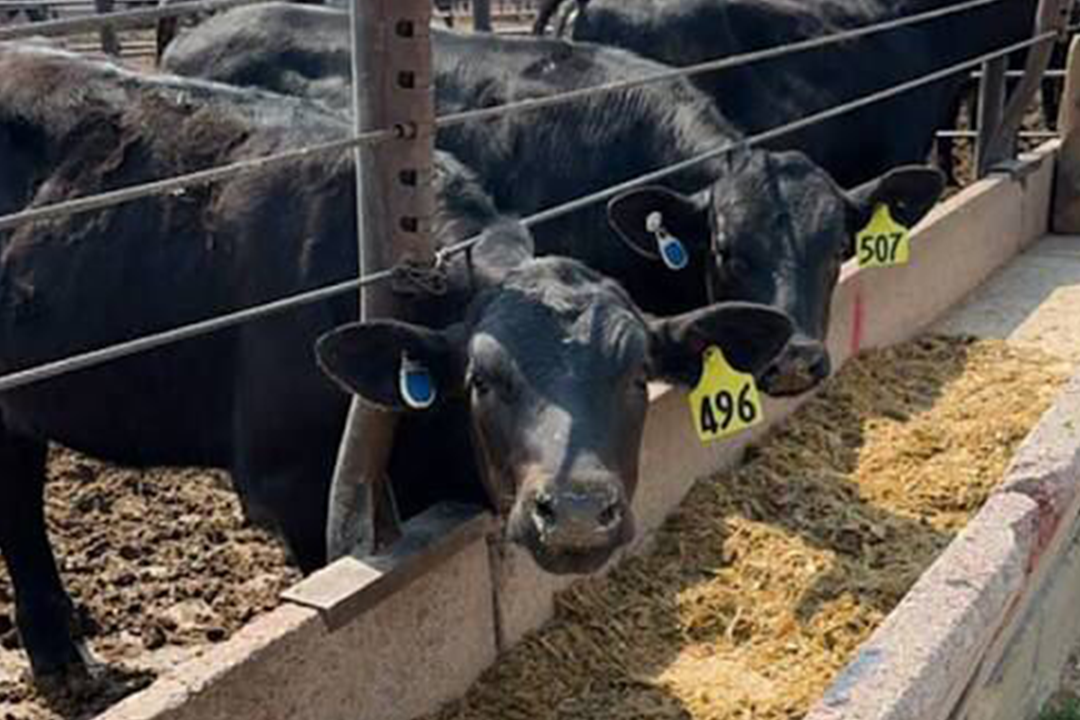
Registered bio-secure feedlots will continue operating as key facilities supporting controlled livestock finishing for slaughter. These feedlots are authorised under national veterinary guidelines and play an important role in maintaining safe livestock trade during the outbreak.
Animals entering feedlots will remain for a minimum of one month and a maximum of three months. Movements into these facilities will include transfers from clean areas to clean feedlots, clean to controlled feedlots, and controlled areas to controlled feedlots. However, before any permit is issued, feedlot owners must first obtain a “No Objection Permit” from the destination sub-regional veterinary office.
Movement of animals for breeding purposes remains strictly regulated and will only be allowed within sub-regions. Permits will be issued at sub-regional offices, and movement must strictly follow vaccination status.
The Hhohho region remains under strict movement restrictions due to active FMD cases. However, limited case-by-case movement may be considered in selected dip tanks within Lobamba and Mbabane.
The partial relaxation is a carefully managed step toward restoring normal livestock trade while safeguarding national herds and supporting recovery in the agricultural sector.
#Eswatini #FMDOutbreak #LivestockMovement #AgricultureEswatini #AnimalHealth #FoodSecurity #EswatiniGovernment #VeterinaryServices #FarmersSupport