


…Kingdom Secures Important Role In Global Health Governance
BY MBONO MDLULI
MBABANE– The Kingdom of Eswatini has been elected to serve on the Credentials Committee (CC) of the 79th World Health Assembly (WHA79), placing the country among a select group of nations responsible for helping oversee procedural matters at one of the world’s most important global health gatherings.
The election followed a proposal submitted during the WHO African Region Ministerial Coordination Meeting, where member states endorsed Eswatini, Senegal, and São Tomé and Príncipe to represent the African region on the committee.
What Is The World Health Assembly?

The World Health Assembly is the highest decision-making body of the World Health Organisation (WHO).
The assembly is held annually in Geneva and brings together health ministers, diplomats, and government representatives from WHO member states across the world.
The WHA is responsible for:
- Determining global health policies
- Approving WHO budgets
- Reviewing international health programmes
- Discussing global disease outbreaks and emergencies
- Adopting international health resolutions
The upcoming WHA79 is scheduled to begin on:
- 18 May 2026
and is expected to focus on major issues including:
- Universal health coverage
- Pandemic preparedness
- Mental health
- Digital health systems
- Infectious disease control
- Climate and health challenges
Understanding The Credentials Committee
The Credentials Committee is one of the important procedural bodies established during each World Health Assembly session.
Its main responsibility is to:
- Review official credentials submitted by member states
- Verify that national delegations were properly appointed
- Ensure delegations comply with WHA rules and procedures
- Make recommendations to the Assembly regarding credential acceptance
In practical terms, the committee helps confirm that each country participating in the World Health Assembly is officially and legitimately represented.
Without approved credentials, delegations may face restrictions regarding:
- Voting rights
- Participation in formal proceedings
- Representation during negotiations and resolutions
Which Countries Serve On The Credentials Committee?
The Credentials Committee is not permanent.
For every World Health Assembly session, member states elect a small number of countries from different WHO regions to serve on the committee.
The committee usually reflects geographical balance from WHO regions including:
- Africa
- Europe
- The Americas
- Eastern Mediterranean
- South-East Asia
- Western Pacific
Countries selected are generally viewed as:
- Diplomatically trusted
- Procedurally competent
- Active participants within WHO processes
Membership on the committee rotates annually, meaning different countries are chosen for different WHA sessions.
For WHA79, Eswatini will serve alongside Senegal and São Tomé and Príncipe as representatives from the African region.
Importance of Eswatini’s Election
Analysts say Eswatini’s election to the committee reflects growing recognition of the Kingdom’s active participation within international health diplomacy and multilateral cooperation.
Serving on the Credentials Committee gives the country an important procedural role within global health governance discussions involving all WHO member states.
The election also increases Eswatini’s visibility during major international health negotiations and policy discussions taking place at the assembly.
Observers note that smaller countries are not always selected for such responsibilities, making the appointment diplomatically significant for the Kingdom.
WHA Remains Key Global Health Platform
The World Health Assembly continues playing a major role in shaping global health responses, especially following the COVID-19 pandemic and growing international concern over future health emergencies.
Resolutions and discussions adopted during the assembly often influence:
- International health funding
- Disease response coordination
- Vaccine policy
- Global health partnerships
- Public health priorities worldwide
Analysts say participation in WHA committees helps countries strengthen both:
- International diplomatic engagement
- Technical health cooperation
within the broader United Nations system.
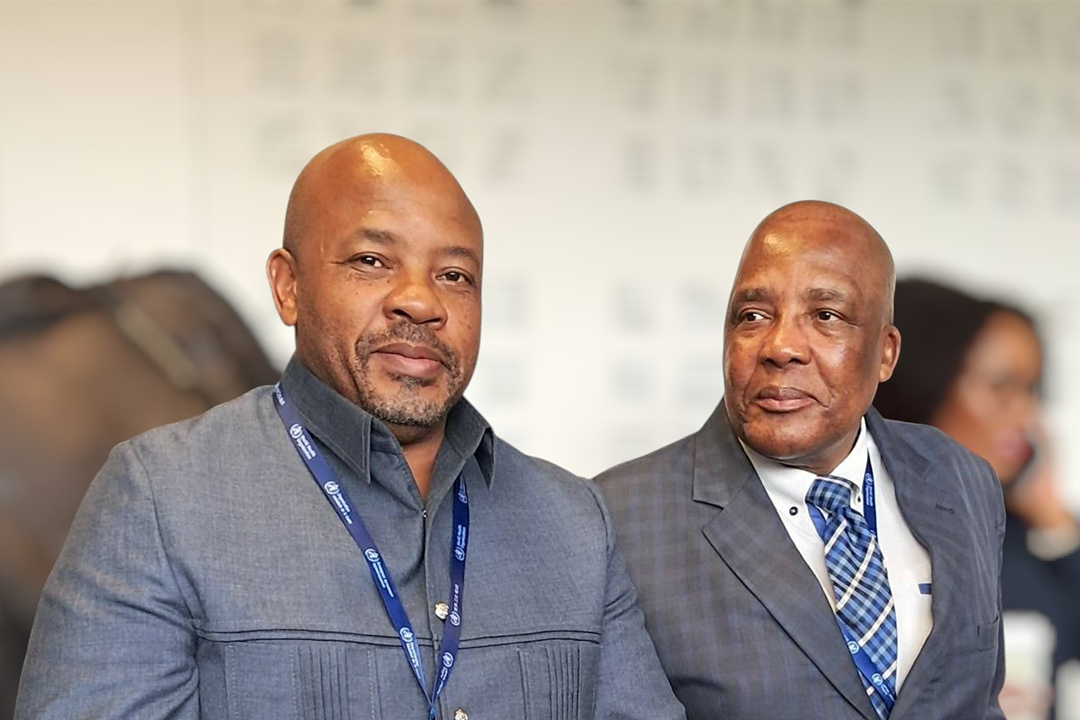
(Courtesy Pic)