


BY MFANUFIKILE KHATHWANE
MBABANE – Compulsory DNA testing is not a violation of human rights but a necessary tool to confirm a child’s biological father through facts rather than assumptions, while protecting children’s identity and ending paternity disputes.
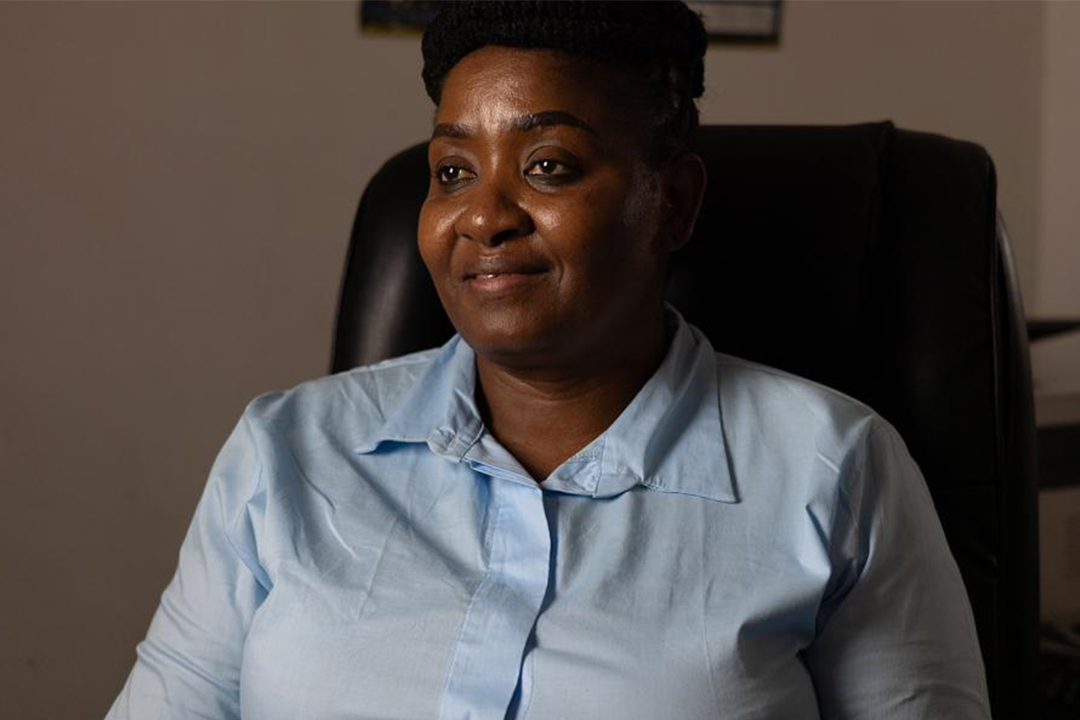
This was said by Swaziland Action Group Against Abuse (SWAGAA) Executive Director Nonhlanhla Dlamini in an interview with Eswatini Positive News on Friday, July 3, 2026, following Parliament’s rejection of a motion seeking to make DNA testing mandatory for every child at birth.
“It is not a violation of human rights. It is simply about confirming who the child’s biological father is,” she said.
Privacy rights refer to a person’s right to keep their personal information, body, family life, and private matters free from unnecessary interference by others, including the government.

SWAGAA believes making DNA testing mandatory does not unlawfully interfere with a person’s constitutional right to privacy because its purpose is to confirm a child’s biological parentage and protect the child’s identity.
Dlamini said it was emotionally painful for men to raise children believing they were their own, only to later discover they were not. She said compulsory DNA testing would eliminate such uncertainty and resolve many paternity disputes before they escalated.
“There are many cases where people deny fathering a child. Mandatory DNA testing would provide certainty from the beginning and protect everyone involved, especially the child,” she said.
@eswatini.positive COMPULSORY DNA TESTING NOT A VIOLATION OF HUMAN RIGHTS – SWAGAA MBABANE – Compulsory DNA testing is not a violation of human rights but a necessary tool to confirm a child’s biological father through facts rather than assumptions, while protecting children’s identity and ending paternity disputes. SWAGAA DNATesting HumanRights ChildIdentity Paternity Eswatini Parliament FamilyLaw ChildProtection EswatiniPositiveNews
♬ original sound – Eswatini Positive News – Eswatini Positive News
She also dismissed the argument that trust alone should replace DNA testing.
“It is not true that you can trust someone 100 per cent. DNA testing provides facts, not assumptions,” she said.
Her remarks come days after Parliament rejected a motion that sought to make DNA testing compulsory for every child at birth.
The proposal has, however, continued to attract support from some civil society organisations. The Coordinating Assembly of Non-Governmental Organisations (CANGO) also backed the motion, saying compulsory DNA testing would benefit society by ensuring children know their true identity and family lineage.
CANGO Executive Director Thembinkhosi Dlamini said a child’s right to identity outweighed concerns that mandatory DNA testing could infringe on privacy. He added that government should invest in DNA testing infrastructure to make the service affordable and accessible across the country.
However, Somntongo MP Sandile Nxumalo opposed the proposal, arguing that compulsory DNA testing would treat every parent as a suspect and infringe on constitutional rights to privacy. He maintained that DNA testing should remain a personal choice rather than a legal requirement.
Ndzingeni MP Mduduzi Magagula also rejected the proposal, warning that mandatory DNA testing could create unintended challenges for children whose fathers are unknown, including difficulties in obtaining birth certificates and accessing essential services.
Despite Parliament’s decision, supporters of the proposal maintain that compulsory DNA testing would strengthen family accountability, safeguard children’s identities and reduce long-standing paternity disputes across the country.
#SWAGAA #DNATesting #HumanRights #ChildIdentity #Paternity #Eswatini #Parliament #FamilyLaw #ChildProtection #EswatiniPositiveNews