


BY GCWALISILE MHLABANE
EZULWINI — Foodborne diseases continue to pose a growing public health concern in Eswatini, placing increasing pressure on the healthcare system and highlighting the urgent need for stronger prevention, regulation, and coordination across the country’s food value chain.
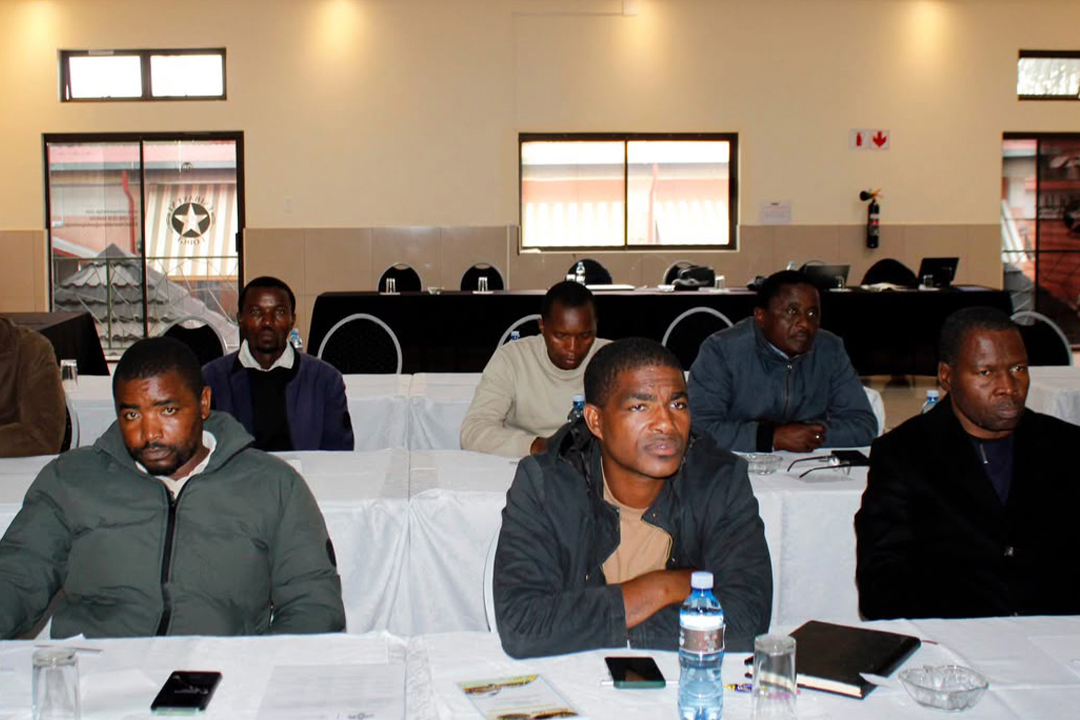
Against this backdrop, the Kingdom joined the global community in commemorating World Food Safety Day at Siabanesami Hotel on July 2, 2026, in an event that brought together government ministries, United Nations agencies, development partners, food producers, retailers, and private sector stakeholders in a unified effort to strengthen food safety systems and protect public health.
The commemoration was convened by the Food and Agriculture Organization of the United Nations (FAO), in collaboration with the Ministry of Agriculture, local authorities, and the World Health Organization (WHO), under the global theme “From burden to solutions and have safe food everywhere.” The theme underscores the importance of science, evidence-based action, and coordinated interventions in reducing foodborne illnesses and improving food safety outcomes globally.
The event drew broad participation from across sectors, including multiple government ministries, UN agencies, food producers, and retailers, all reaffirming their commitment to compliance with food safety standards and stronger regulatory enforcement throughout the food supply chain.

FAO Assistant Representative Howard Mbuyisa said ongoing reforms to food safety legislation are aimed at addressing long-standing fragmentation within the regulatory system.
“We are reviewing legacy legislation—spanning public health, veterinary public health, and agricultural acts—to eliminate regulatory overlaps, clarify institutional responsibilities, and create a seamless, unified food safety command,” said Mbuyisa.
He noted that harmonised systems are key to improving efficiency and strengthening the country’s ability to prevent and respond to food safety risks.
Minister for Health Hon. Mduduzi Matsebula highlighted the continued burden that foodborne diseases place on healthcare services, stressing that unsafe food remains a preventable but persistent public health challenge.
The programme featured interactive presentations and technical discussions showcasing national data and ongoing interventions by food safety authorities. These sessions emphasized the importance of evidence-based decision-making and stronger coordination among institutions responsible for safeguarding public health.
Participants further underscored that food safety is not only a health priority, but also a key pillar of economic productivity, dignity, and sustainable development.
“On World Food Safety Day, we celebrate the role food safety plays in ensuring that every table is a source of health, life, and prosperity,” an event statement noted.
FAO STRENGTHENS LIVESTOCK HEALTH UNDER ONE HEALTH APPROACH
In a parallel development aligned with the commemoration, the Food and Agriculture Organization of the United Nations (FAO), working with the Ministry of Agriculture’s Department of Veterinary and Livestock Services, is implementing the project “Support to the control of ticks and tick-borne diseases in Eswatini.”
A technical workshop was held focusing on the training of veterinary officers and the rollout of a newly developed training manual designed to standardize knowledge and improve practices in tick control and livestock disease management.
The manual serves as a practical guide for veterinary staff, dip tank committees, and farmers, focusing on sustainable tick management, improved dip tank governance, biosecurity measures, and responsible acaricide use.
Training has been conducted across all regions of the country, reaching approximately 200 veterinary officers, who are expected to cascade knowledge to dip tank committees and farming communities with continued technical support from FAO.
The initiative is expected to improve livestock productivity, strengthen animal health systems, and enhance rural livelihoods, particularly among smallholder farmers who depend on livestock for income, nutrition, and draught power.
FAO reaffirmed that the programme is anchored in the One Health approach, which recognizes the interconnectedness of human, animal, and environmental health, particularly in rural areas where livestock play a central role in food security.
The organization further noted that changing livestock production systems and environmental conditions can increase the risk of emerging diseases, reinforcing the need for integrated surveillance, prevention, and response systems.
Through the One Health framework, FAO continues to support Eswatini in building resilient animal health systems that contribute to sustainable agriculture, improved public health outcomes, and long-term national food security.
(Courtesy Pic)
#Eswatini #FoodSafety #FoodborneDiseases #WorldFoodSafetyDay #FAO #WHO #MinistryOfHealth #MinistryOfAgriculture #OneHealth #PublicHealth #FoodSecurity #LivestockHealth #AgricultureEswatini