



By Themba Zwane
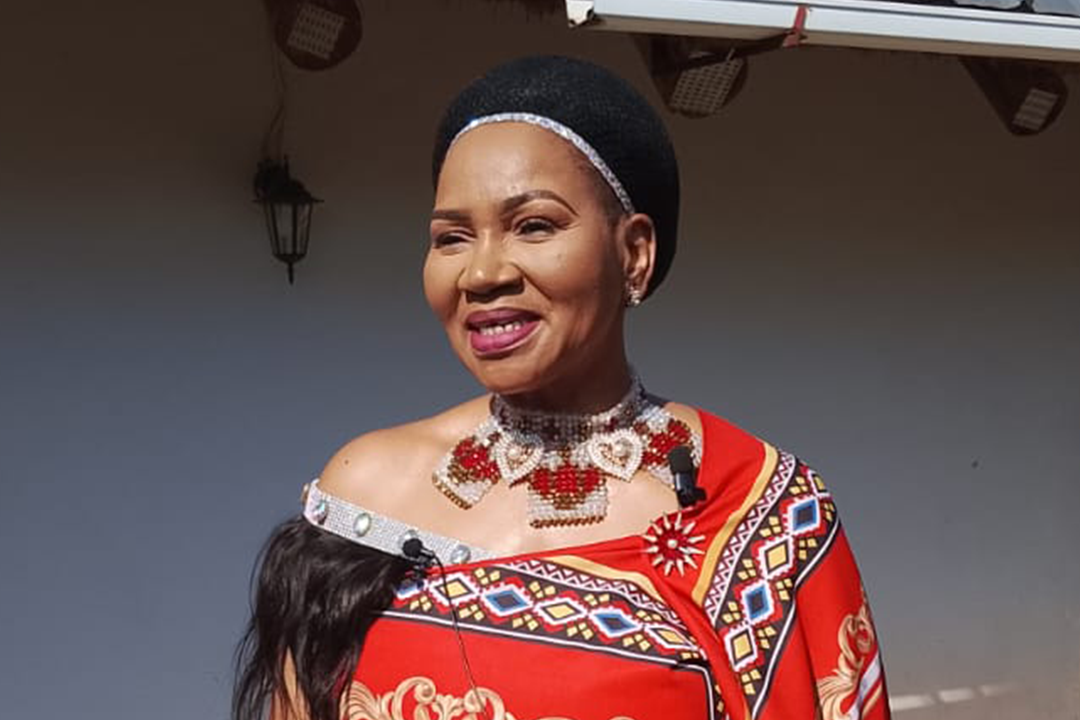
EZULWINI – Senate President Pastor Lindiwe Dlamini has called for stronger action against sexual abuse, arguing that the lifelong trauma experienced by many victims can have profound psychological consequences. During her remarks, she also claimed that homosexuality, which she referred to as titabane, is often linked to sexual abuse.
Speaking after the final day of a three-day national consultation on the African Union (AU) Convention on Ending Violence Against Women and Girls at SibaneSami Hotel on Thursday, Dlamini said Eswatini must intensify efforts to protect all citizens, particularly children, from sexual violence.
She stressed that sexual abuse affects both girls and boys, warning that many cases remain hidden because victims are afraid to speak out.
“The nation has a duty to protect all against sexual abuse. Even boys have become victims, and this is not an issue affecting girls only,” she said.
The Senate President said silence surrounding rape and sexual assault had allowed offenders to continue harming innocent people. She urged families, communities and institutions to encourage victims to report abuse and ensure perpetrators are brought before the courts.
Dlamini reserved particularly strong criticism for those who sexually abuse children, describing them as dangerous individuals who require psychiatric treatment. She argued that such offenders should be confined to mental institutions to protect society from further harm.
She also expressed concern about the widespread availability of pornographic material on the internet and television, saying exposure to explicit content could influence some individuals to commit sexual offences against children.
Addressing the issue of homosexuality, Dlamini claimed that many people who identify as homosexuals are survivors of sexual abuse and that unresolved rape trauma can have lasting psychological effects into adulthood. She said the country’s priority should be preventing sexual abuse and ensuring survivors receive appropriate care and support.
Her remarks came as Parliament concluded national consultations on the proposed ratification of the African Union Convention on Ending Violence Against Women and Girls, which was adopted by African Union Heads of State and Government in February 2025.
Earlier, Deputy Prime Minister Thulisile Dlamini described the convention as an important milestone in strengthening Eswatini’s efforts to protect women and girls, including persons living with disabilities.
She said the convention would complement the country’s Constitution and existing laws by introducing stronger measures to prevent violence, protect victims, prosecute offenders, provide support for survivors and strengthen accountability across institutions.
The Deputy Prime Minister added that ending violence against women and girls requires a collective national effort involving government, traditional leaders, religious organisations, civil society, young people, communities and the private sector.
She urged all stakeholders to work together to build a safer Eswatini where women, girls and other vulnerable members of society can live free from violence, abuse and fear.