




BY PHUMELELE GAMEDZE
MBABANE — As Eswatini prepares for the possible effects of a strengthening El Niño, communities have been warned against starting wildfires that could destroy precious grazing land and leave livestock exposed to worsening dry conditions.
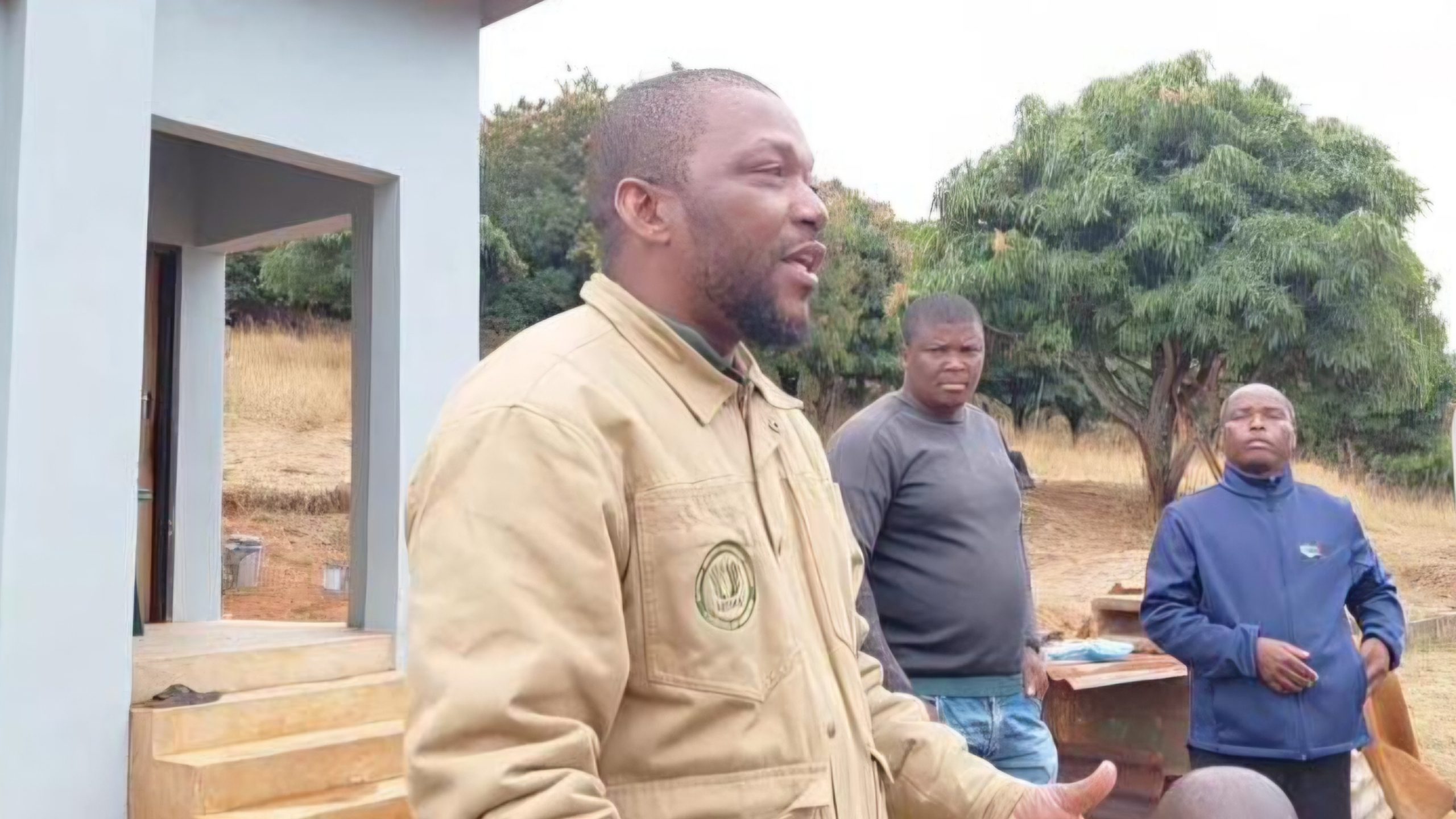
The warning was issued by Mphikeleli Mamba from the National Disaster Risk Management Authority (NDRMA) – Umvalo Wesive during yesterday’s official handover of newly built houses to vulnerable emaSwati at Ntfonjeni Inkhundla.
Mamba stressed that preventing veld fires is not only about protecting the environment, but also about protecting household livelihoods, particularly in rural communities where livestock provide food, income and security.
“Once the grass is burnt, we lose grazing land that our livestock depend on,” Mamba cautioned, highlighting the need for communities to treat every fire as a potential threat to their livelihoods.

The message comes as NDRMA continues strengthening public awareness and preparedness following its recent warnings on the developing El Niño weather phenomenon.
The World Meteorological Organisation (WMO) reports that El Niño is strengthening and is expected to influence global temperature and rainfall patterns during the coming months. Its latest outlook points to increased risks of above-normal temperatures globally and significant shifts in rainfall patterns.
For Southern Africa, current seasonal assessments indicate heightened concern over below average rainfall and extreme heat between October 2026 and March 2027.
This makes the protection of available vegetation particularly important for communities whose livelihoods depend on livestock. Wildfires can rapidly remove grazing resources while dry conditions can make vegetation and water supplies increasingly difficult to replace.
Eswatini has experienced the consequences of El Niño related drought before. During the 2015–16 episode, the country recorded significant reductions in maize production, critically low water levels and drying rural boreholes, demonstrating how climate shocks can affect households and essential services.
NDRMA’s latest message therefore places preparedness at the centre of community responsibility: protecting grass today can help protect livestock tomorrow.
As the country watches the evolving weather outlook, communities are being reminded that disaster preparedness does not begin when a crisis arrives. It begins with everyday choices that protect natural resources, livelihoods and the resilience of families.
For livestock dependent households, a green grazing field is more than grass it is food, income and a lifeline when difficult weather arrives.
#EswatiniPositiveNews #ElNinoPreparedness #WildfirePrevention #ClimateResilience
(Courtesy Pic)


