


BY SIBUSISEKILE NDLANGAMANDLA
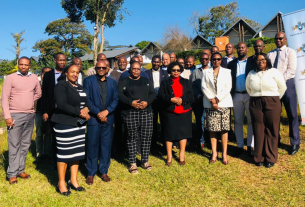
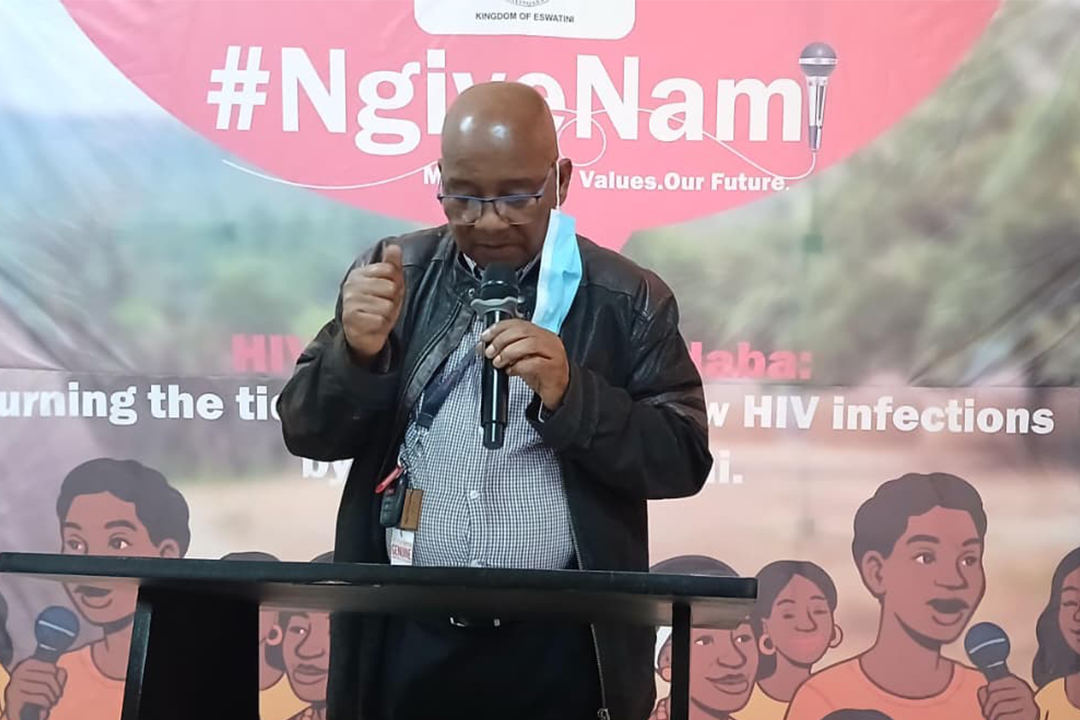
MANZINI – Regional Administrator Chief Gija has called for young people to take an active role in HIV prevention, saying they should be recognised as partners in shaping the country’s response to HIV rather than being viewed only as beneficiaries of services.
Speaking during an engagement on the findings of the National HIV Prevention Indaba, Chief Gija said the findings provided an opportunity for communities to look beyond HIV statistics and better understand the realities influencing young people’s decisions and behaviour. Issues such as relationships, family communication, access to HIV prevention services and social and economic circumstances continue to influence how people respond to HIV prevention.
He said young people should have safe and supportive spaces where they can ask questions, seek services and discuss issues affecting their lives without fear or judgement. “As young people, you are not simply beneficiaries of HIV prevention, you are important partners and champions in shaping the future we want” said Chief Gija.
The responsibility for HIV prevention should not be left to the health sector alone, noting that different sectors of society have a role to play in reducing new HIV infections. He called on parents to have open and honest conversations with their children about HIV, relationships and responsible choices. He also urged traditional and faith leaders to use their influence to promote positive values and support communities in addressing harmful norms.

Schools and other educational institutions, he said, should equip young people with knowledge, confidence and life skills that can help them make informed decisions. Civil society organisations were also encouraged to continue reaching communities and individuals who may face difficulties accessing HIV prevention services.
Chief Gija said the theme of the national conversation, “Changing Minds, Shaping Norms: The Power of Values in HIV Prevention” should encourage communities to reflect on how their values influence everyday decisions. He said values such as respect, responsibility, integrity, compassion and care should be reflected in daily actions, particularly in how families communicate, how young people are supported and how people living with HIV are treated.
Also, he challenged participants to ensure that the Manzini engagement does not end with discussions, but results in practical commitments within communities. He encouraged participants to share experiences, challenge assumptions and listen to young people when developing HIV prevention interventions. Chief Gija commended NERCHA, the Ministry of Health, development partners, researchers and community structures for placing communities at the centre of the HIV prevention response.
#EswatiniPositiveNews #NERCHA #HIVPrevention #YouthLeadership #Manzini