


BY GCWALISILE MHLABANE
EZULWINI – In a move aimed at safeguarding public health and the environment, the Government of Eswatini has taken another significant step towards strengthening the country’s nuclear radiation safety framework through the validation of draft regulations that will guide the safe use and management of radioactive materials.
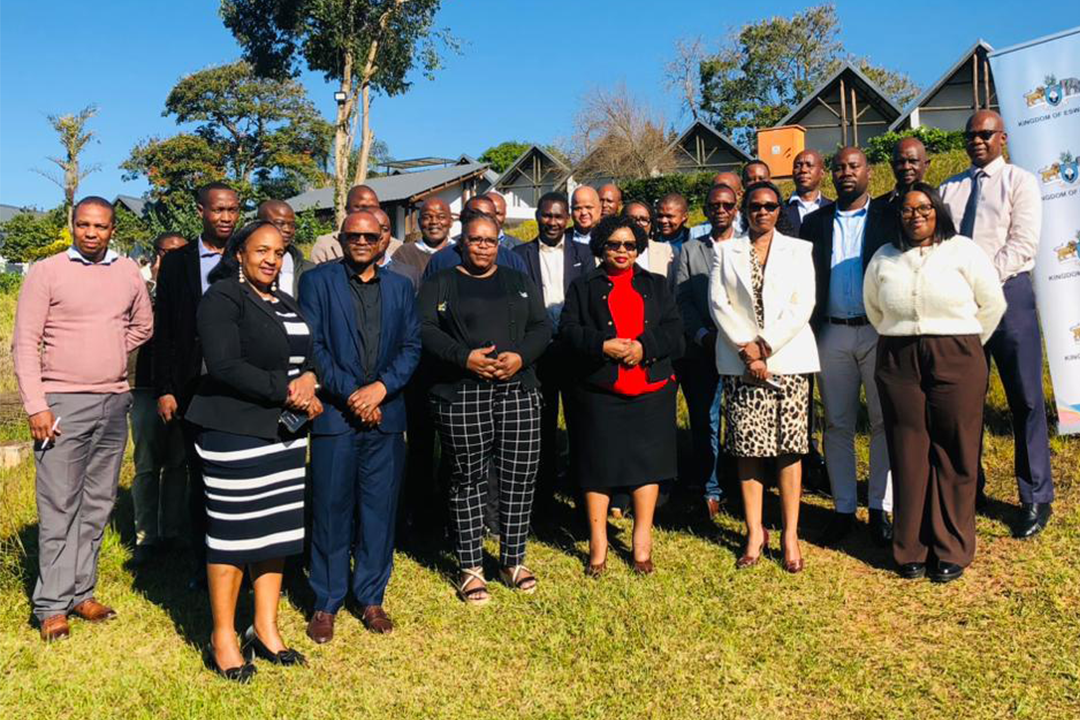
The Ministry of Tourism and Environmental Affairs hosted the Final Validation Workshop for the Nuclear Radiation Safety Draft Regulation on June 15, 2026, at Sibane Sami Hotel in Ezulwini. The workshop brought together senior government officials, strategic stakeholders, private sector users and technical experts to deliberate on and finalize the proposed regulatory framework.
The validation exercise forms part of the implementation of the Nuclear Radiation and Safety Act, 2025, which was assented to by His Majesty King Mswati III on November 19, 2025. The Act provides for the safe, secure and peaceful use of nuclear technology and establishes mechanisms for regulating radioactive materials and radiation-emitting devices in the country.
Leading the discussions was Chief Environment Coordinator Constance Dlamini, who highlighted the importance of equipping inspectors with the necessary training and detection tools to ensure the safe storage and handling of radioactive sources while minimizing public exposure to radiation.

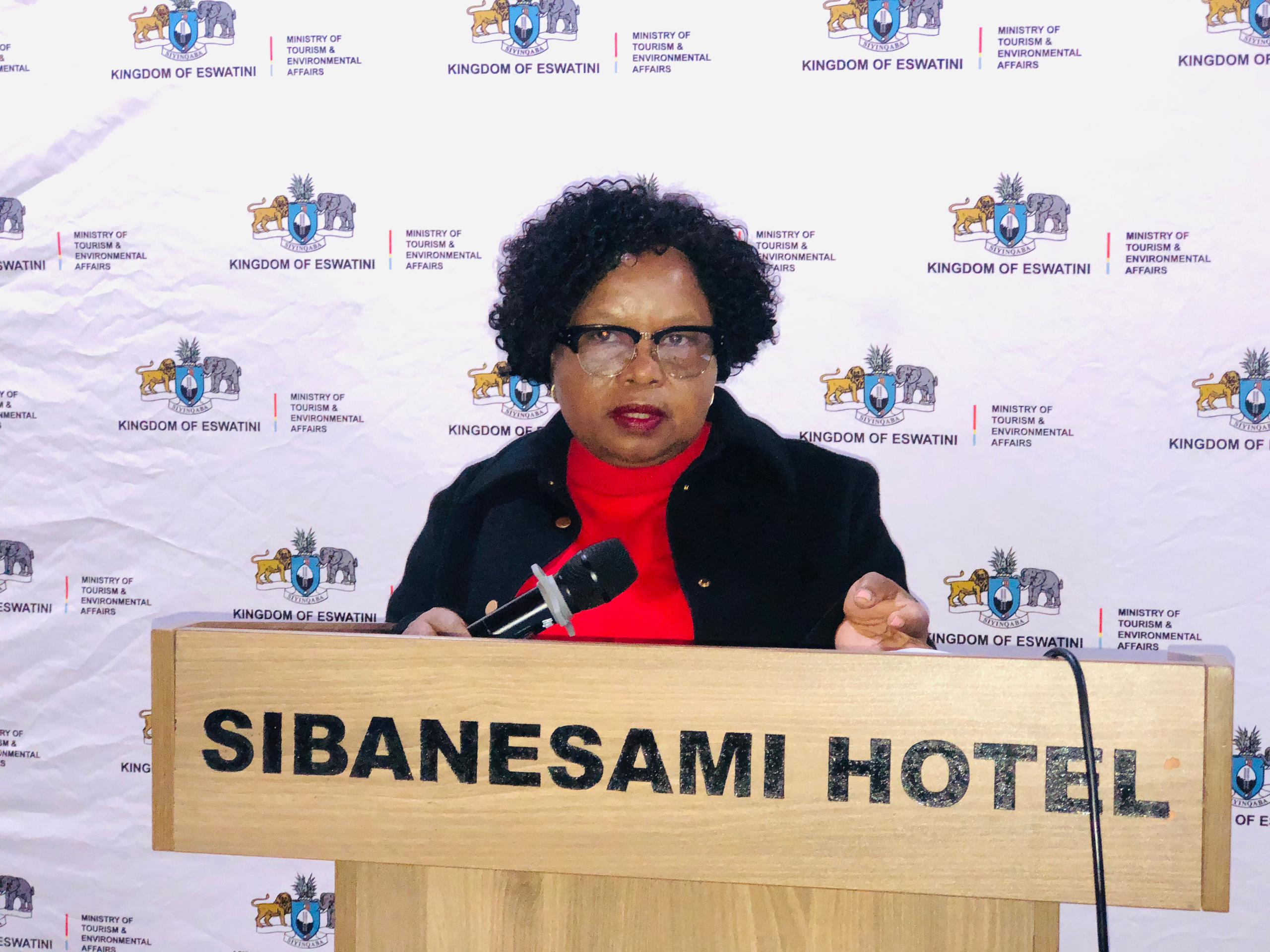
Addressing participants, Minister of Tourism and Environmental Affairs Jane Simelane-Mkhonta described the validation process as a critical milestone in protecting the nation and ensuring that safety remains at the centre of all nuclear and radiation-related activities.
“Today, we gather to reaffirm our unwavering commitment to the highest standards of nuclear safety. The validation of our nuclear safety regulations is not merely a technical exercise, it is a solemn responsibility to protect our citizens, our environment, and future generations,” said Simelane-Mkhonta.
She noted that while nuclear technology presents opportunities for national development, it also requires strict oversight and continuous improvement of safety systems.
“Nuclear energy, while a powerful tool for progress, demands vigilance. The lessons of history remind us that safety cannot be compromised, and regulation must evolve with science, technology, and global best practices,” she said.
The Minister explained that the regulations have been strengthened through extensive stakeholder consultations, inspections and technical reviews to ensure they align with international standards and emerging developments in nuclear safety.
According to the Ministry, the draft regulations incorporate modern approaches to risk assessment, emergency preparedness and environmental protection. They are designed to prevent accidents, strengthen accountability and enhance public confidence in the country’s regulatory systems.
The regulations will support the work of the Eswatini Nuclear Regulatory Authority, an independent body established under the Nuclear Radiation and Safety Act, 2025. The Authority is responsible for regulating radiation facilities and activities, establishing safety and security standards, enforcing compliance, overseeing radioactive waste management and ensuring that Eswatini fulfils its obligations under international nuclear safety agreements.
Simelane-Mkhonta further commended stakeholders for their professional contributions during the development of both the legislation and the draft regulations.
“Safety is non-negotiable. By validating these regulations, we demonstrate accountability, responsibility, and foresight. We show the world that our nation is committed to harnessing nuclear energy responsibly, with the well-being of our people at the forefront,” she said.
She also encouraged users of radioactive materials and radiation-emitting devices to continue working closely with the Environment Department and the newly established regulatory authority to ensure effective implementation of the law and continued compliance with national safety standards.
The workshop is expected to pave the way for the finalization and implementation of the regulations, reinforcing Eswatini’s commitment to protecting its citizens and environment while promoting the responsible use of nuclear science and radiation technology for sustainable development.
#Eswatini #NuclearSafety #RadiationProtection #EnvironmentalGovernance #PublicSafety #RegulationValidation #JaneSimelaneMkhonta #MinistryOfTourismAndEnvironmentalAffairs