


BY GCWALISILE MHLABANE
MBABANE – Government has reaffirmed that traditional leaders remain at the heart of Eswatini’s sustainable development agenda, declaring that the country’s aspirations for inclusive growth and prosperous communities can only be achieved through a strong partnership with chiefs.
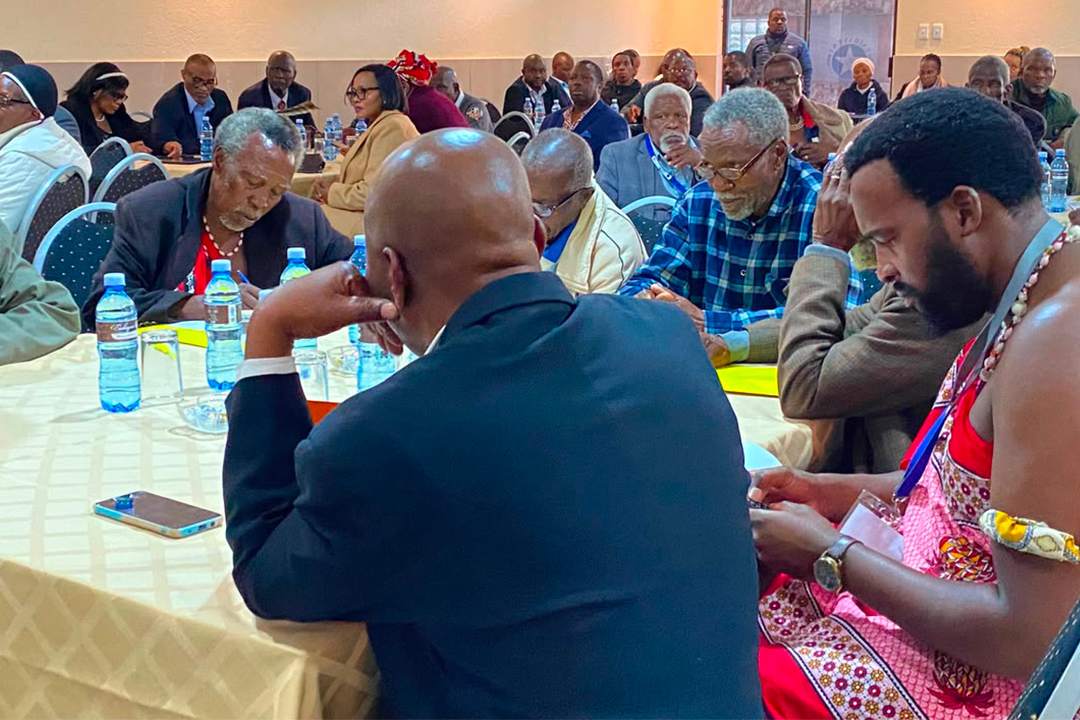
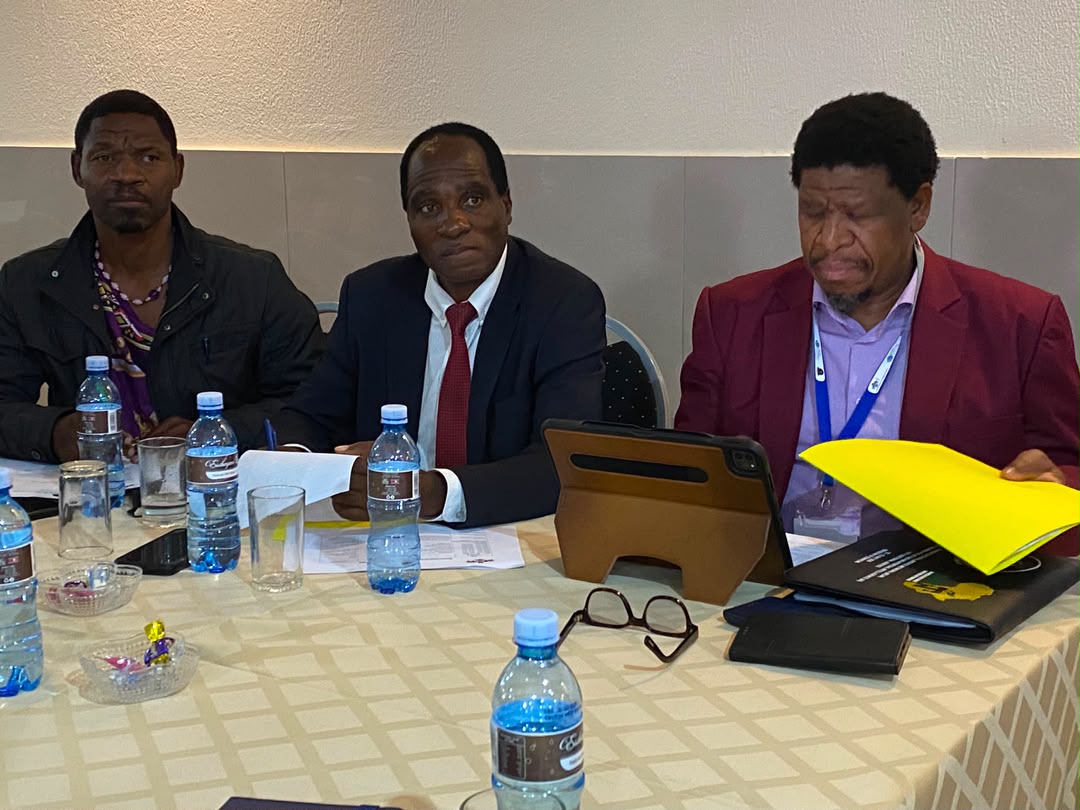
The call was made by the Minister of Tinkhundla Administration and Development, Skhumbuzo Dlamini, during the official opening of the inaugural three-day Manzini Chiefs Summit held at The George Hotel on June 30, 2026. The summit brought together chiefs from across the Manzini Region to strengthen their leadership capacity in governance, ethical leadership, conflict resolution and community development.
Officially opening the summit, Dlamini described traditional leaders as indispensable partners in nation-building, saying they continue to provide leadership that preserves Eswatini’s cultural heritage while driving development initiatives at community level.
He said Government fully recognises that sustainable development cannot be achieved without the active participation of chiefs, whose responsibilities extend beyond safeguarding customs and traditions to promoting peace, resolving disputes, mobilising communities and supporting the successful implementation of Government programmes.

“Chiefs remain trusted leaders within our communities and play a pivotal role in ensuring that development reaches every citizen. Their leadership strengthens social cohesion, promotes stability and creates an enabling environment for sustainable progress,” he said.
Dlamini noted that Eswatini continues to face a number of development priorities, including rural development, food security, quality education, healthcare, youth unemployment and the growing effects of climate change. He stressed that addressing these challenges requires a united effort involving Government, traditional leaders, civil society, development partners and communities.
He urged chiefs to continue championing good governance, accountability and active citizen participation, saying empowered and united communities are better positioned to unlock economic opportunities, improve livelihoods and build a more resilient nation.
The Minister reaffirmed Government’s unwavering commitment to working hand in hand with traditional leadership, commending chiefs for their wisdom, experience and steadfast dedication to serving Emaswati.
He further encouraged participants to use the summit as a platform to exchange ideas, share best practices and develop practical solutions that will strengthen traditional leadership institutions and contribute meaningfully to Eswatini’s national development agenda.
Following the official opening, the summit moved into governance-focused capacity-building sessions. Themba Masuku delivered presentations on the constitutional and legal framework governing traditional leadership, as well as the roles and responsibilities of chiefs in promoting accountable and effective community governance.
Participants also received training on the Code of Conduct for Traditional Leaders, while Judge Prince Sendzangakhona and Judicial Commissioner Hhasese facilitated sessions on ethical leadership and accountability. Legal Advisor Muso Dlamini also presented on strengthening collaboration between traditional authorities and the Elections and Boundaries Commission (EBC).
The programme further featured a panel discussion on community conflict resolution involving representatives from the Attorney General’s Office, the Human Rights Commission and the ENPF, before concluding with a presentation on preserving Eswatini’s culture and heritage by officials from the ministry responsible for arts and culture.
The summit is expected to equip chiefs with practical governance, leadership and dispute-resolution skills that will strengthen service delivery, enhance accountability and reinforce their role as key partners in accelerating sustainable development across communities in the Manzini Region and throughout Eswatini.
#Eswatini #ChiefsSummit #TraditionalLeadership #SustainableDevelopment #Governance #CommunityDevelopment #NationBuilding #Leadership #Tinkhundla