


…. Government Confirms Salary Review Money Is Now Available
… Minister has urged public servants to resist the temptation to treat the payout as an opportunity for unnecessary spending.
BY MBONGENI NDLELA
MBABANE– Relief is finally in sight for thousands of civil servants after the Government confirmed that Eswatini has officially received its E2.9 billion Southern African Customs Union (SACU) revenue allocation, paving the way for the long-awaited payment of the remaining 85 percent salary review adjustments.
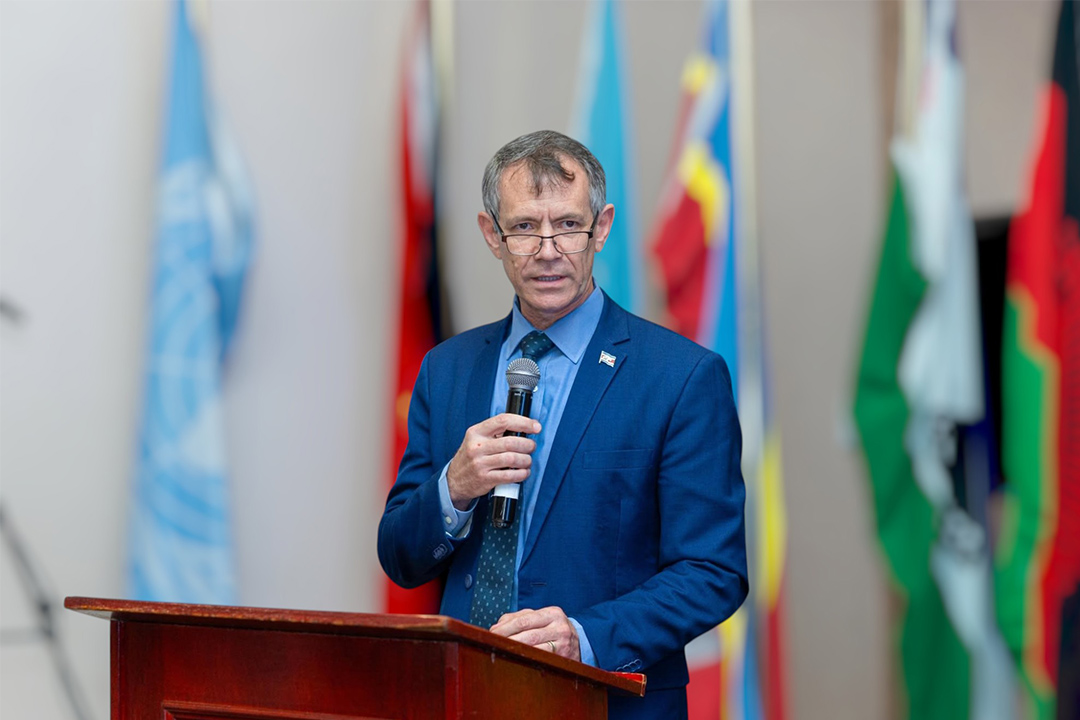
Minister of Finance Neal Rijkenberg confirmed that the funds were deposited into Government accounts on Friday, July 3, 2026, marking a major milestone in fulfilling one of Government’s most significant financial commitments to public servants.

The arrival of the funds effectively clears the way for Government to release the outstanding salary review payments, with expectations that eligible civil servants will receive the money within the next two weeks.
Earlier this year, Rijkenberg had announced that E800 million from Eswatini’s SACU allocation had been reserved specifically to settle the outstanding salary review balance.
The payment will conclude a process that has been eagerly anticipated by thousands of government employees across ministries, departments and public institutions.
The salary review has been one of the most discussed public sector issues in recent years after Government implemented only part of the recommended adjustments while promising that the remaining balance would be paid once sufficient resources became available.
For many employees, the payment represents more than just additional income. It is the fulfilment of a commitment made by Government and a welcome financial boost at a time when many households continue to face rising living costs, school expenses, loan repayments and other financial obligations.
However, while confirming the positive development, the Minister has urged public servants to resist the temptation to treat the payout as an opportunity for unnecessary spending.
Instead, he encouraged them to use the money wisely to strengthen their financial future.
“My advice to those who have debt is to use this money to reduce that debt and make themselves more resilient towards any possible problems that might come their way,” said Rijkenberg.
He explained that reducing debt would ease financial pressure and improve household stability, particularly during periods of economic uncertainty.
The Minister also encouraged employees who are not burdened by debt to prioritise savings rather than impulse purchases.
“If they don’t have debt, my advice would be to consider savings because unfortunately things happen in life, and when they do, we often need money on an emergency basis,” he said.
Rijkenberg warned that failing to build financial reserves often forces people to borrow under pressure, leading to expensive loans that become increasingly difficult to repay.
“When you don’t have money, you end up going into high-cost debt, which creates financial strain. Financial strain creates stress, and stress often causes people to make poor decisions,” he said.
He encouraged emaSwati to use the opportunity presented by the payout to establish emergency savings that could help cushion families against unexpected challenges such as illness, accidents, funerals or other emergencies.
“Don’t just spend the money. Try to make sure that you insulate yourself against possible surprises that may happen in future,” the Minister advised.
Financial experts have long argued that lump-sum payments often disappear within weeks when recipients spend impulsively without proper planning.
They recommend that households first settle expensive debts, build emergency savings equivalent to several months’ expenses, and only thereafter consider discretionary spending or investments.
The expected salary review payments are also likely to inject significant liquidity into the economy.
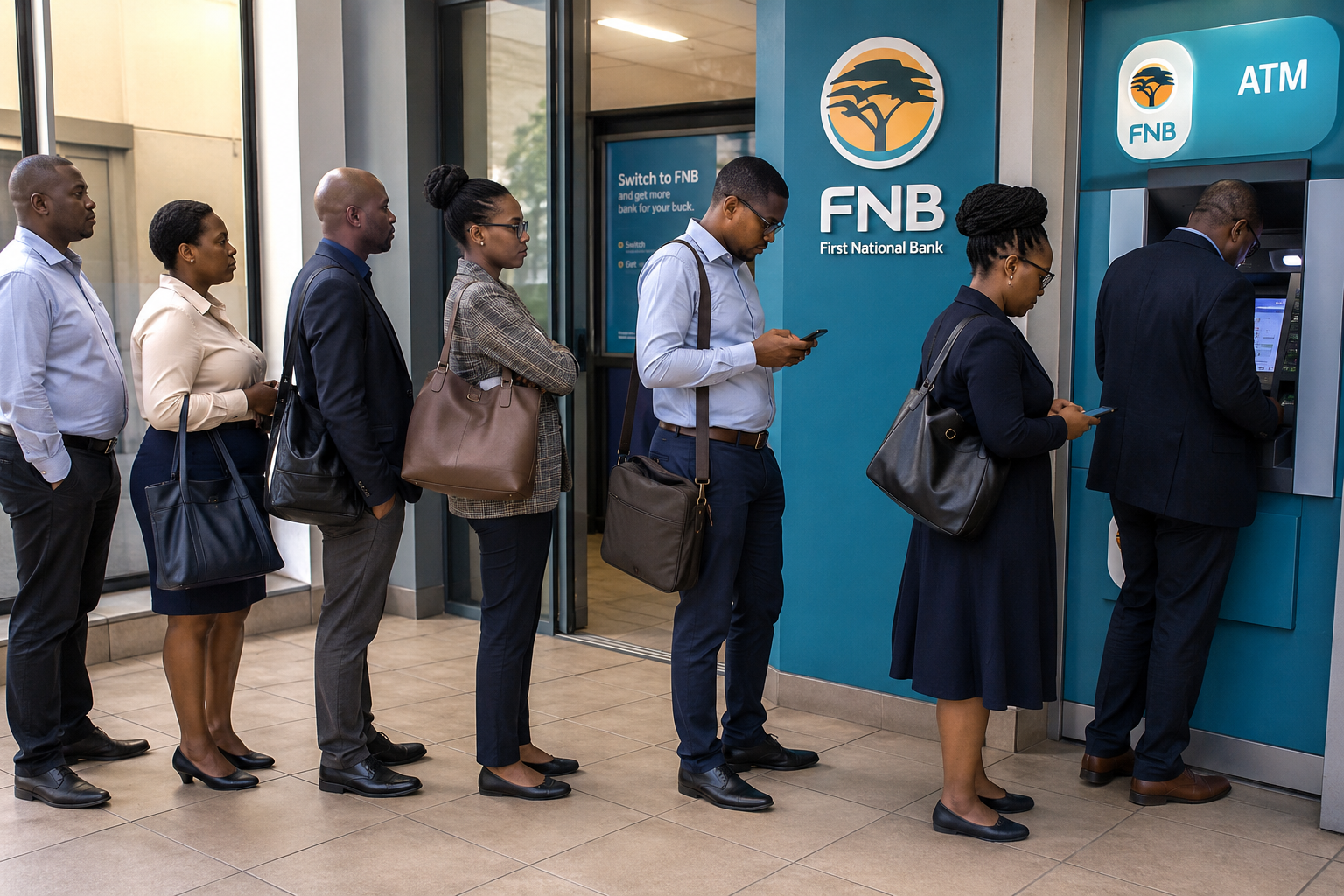
Retail businesses, wholesalers, vehicle dealerships, furniture stores, construction suppliers and service providers are expected to benefit from increased consumer spending once the funds begin circulating.
Economists note that such large public-sector payments often stimulate economic activity as households purchase goods and services, settle outstanding accounts and undertake delayed home improvement projects.
At the same time, financial institutions are also expected to experience increased loan repayments as borrowers reduce outstanding balances.
Eswatini’s E2.9 billion SACU revenue forms part of the country’s annual revenue received through the Southern African Customs Union revenue-sharing arrangement, under which member states share customs and excise collections generated within the regional customs area.
SACU remains one of the Kingdom’s most important sources of Government revenue, helping finance public services, infrastructure development, education, healthcare, social programmes and other national priorities.
The confirmation that the funds have arrived is therefore expected to provide reassurance not only to civil servants awaiting their salary review payments but also to businesses anticipating increased economic activity in the coming weeks.
For thousands of public servants across the country, the countdown has now truly begun.
After months of waiting, uncertainty and speculation, payday is finally within reach—and with it comes an opportunity not only to improve household finances but also to make decisions that could strengthen long-term financial security.
(Courtesy Pics)