



BY SIFISO NHLABATSI
EZULWINI – The Elections and Boundaries Commission (EBC) has been urged to appoint a disability inclusion officer within its structures and ensure that people with disabilities are represented among electoral officers as the country prepares for the 2028 General Election.
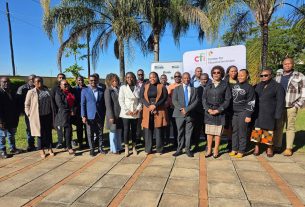
The call was made during an engagement between the EBC and people with disabilities at Happy Valley Hotel, Ezulwini, where participants highlighted the need for practical measures to ensure that they are not excluded from electoral processes.
Among the proposals was the appointment of a person with a disability within the commission to champion disability-related issues and ensure that the needs of this group are considered when planning and conducting elections.
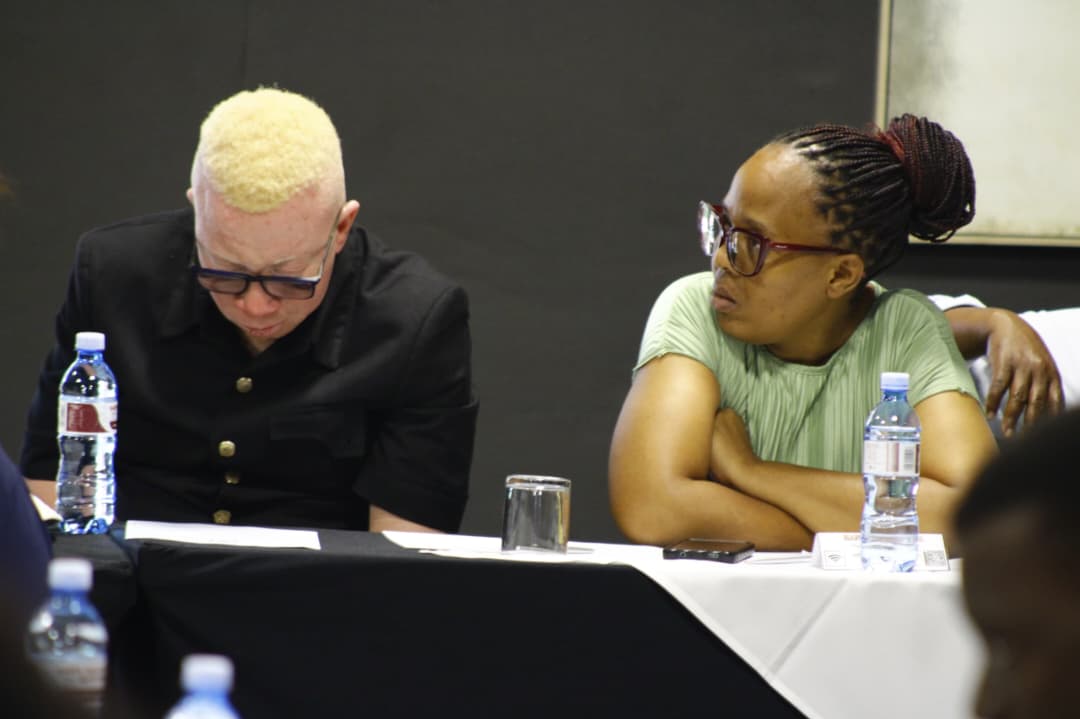
Participants argued that having someone who understands the challenges faced by people with disabilities would help the EBC develop more inclusive electoral programmes and policies.

They further proposed that the commission should have a dedicated disability inclusion officer who would be part of its structures and work towards addressing barriers that prevent people with disabilities from participating fully in elections.
Another submission centred on the representation of people with disabilities among electoral officers.
Participants recalled that a similar concern had been raised during the 2023 elections, arguing that the commission should ensure that people with disabilities are also appointed to serve as electoral officers.
They suggested that representation should extend to the different regions of the country, with consideration given to the different categories of disabilities.
One of the submissions noted that people with disabilities reportedly constitute 13 per cent of the country’s population, arguing that their participation in electoral administration should reflect their presence in society.
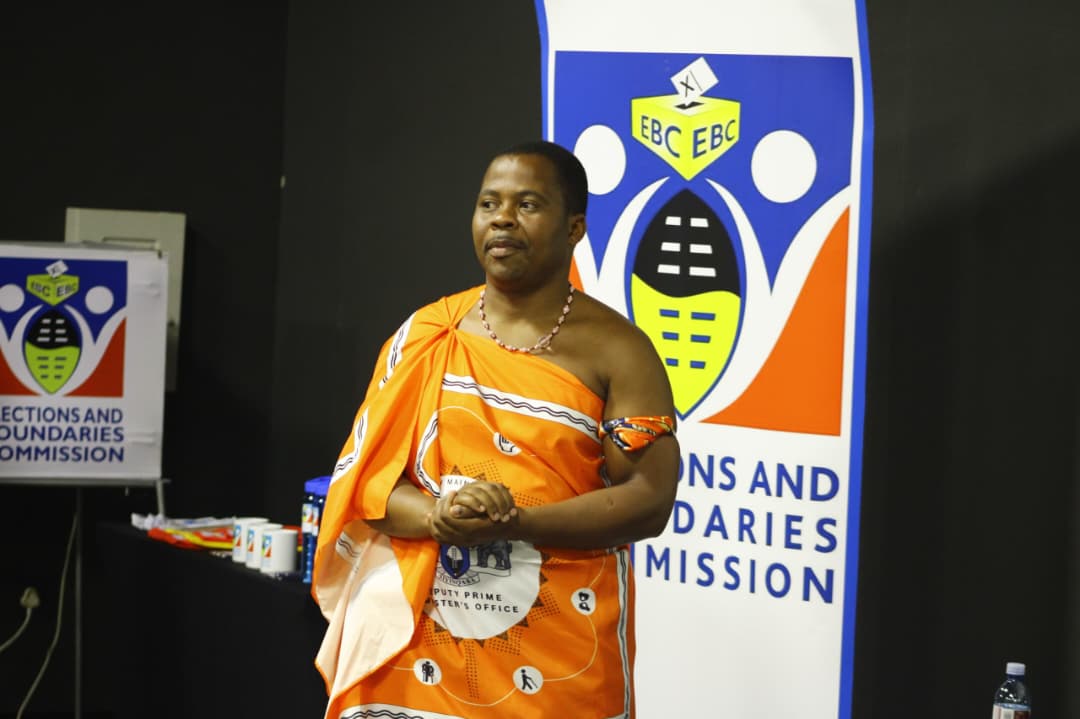
The participants said including people with disabilities among electoral officers would not only create opportunities for them but could also help the commission better understand and respond to the challenges encountered by voters with different disabilities.
The engagement also highlighted concerns about the ability of people with disabilities to compete fairly with able-bodied candidates in elections.
Participants acknowledged that the electoral process was open to every Liswati but argued that equal access did not necessarily translate into equal opportunities, particularly where disability-related barriers remained unaddressed.
They called for special consideration and appropriate support to ensure that people with disabilities could participate in elections without being disadvantaged by circumstances beyond their control.
The submissions pointed to the need for reasonable accommodation and measures that would enable people with disabilities to exercise their political rights on an equal basis with others.
This includes ensuring that electoral processes are accessible and that people with disabilities have meaningful opportunities not only to vote but also to contest elections and participate in electoral administration.
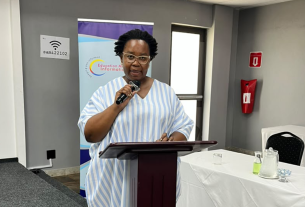
Eswatini National Commission for UNESCO Secretary-General Lwandle Simelane emphasised the importance of reasonable accommodation and adequate budget allocation in making elections inclusive.
Citing Article 29 of the United Nations Convention on the Rights of Persons with Disabilities, she said the focus should be on whether people with disabilities could participate effectively in political and public life.
She stressed that ensuring their participation required practical interventions, including budgeting for the necessary support and facilities.
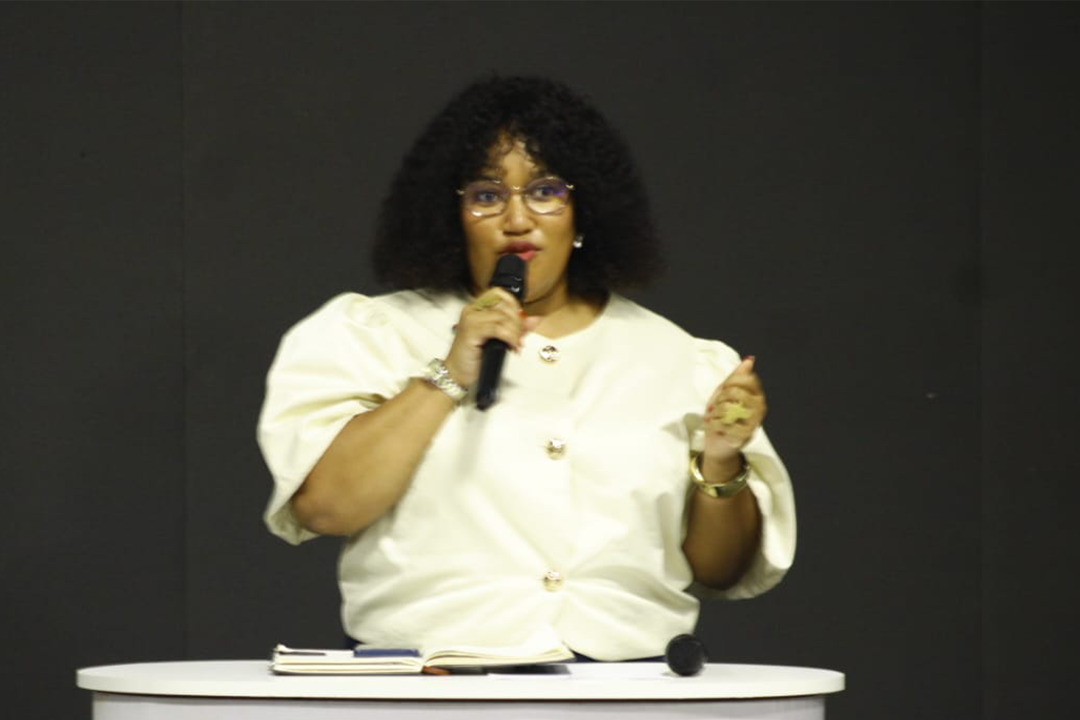
In his introductory remarks, EBC Communications Officer Mbonisi Bhembe acknowledged that while general elections brought hope to many Emaswati, others continued to question their relevance because they did not experience positive changes in their lives.
He said elected office-bearers were entrusted by the electorate with the responsibility of leading their communities towards a better future.
However, Bhembe observed that people with disabilities continued to be left behind, not only in electoral matters but also in the general affairs of their communities. “People with disabilities (PWDs) are part of society but are continuously being left behind, not only in election matters but also in general affairs of the community,” Bhembe stated.
EBC Deputy Chairperson Bishop Sipho Tembe emphasised the importance of financial compliance for aspiring candidates ahead of the 2028 General Election. He highlighted constitutional provisions relating to tax obligations and insolvency, noting that candidates must understand the requirements governing eligibility to contest elections. Section 96 of the Constitution outlines requirements that include meeting tax obligations or making satisfactory arrangements with the Commissioner of Taxes, while Section 97 addresses the disqualification of individuals declared insolvent who have not been rehabilitated.
The engagement provided a platform for people with disabilities to share their experiences and propose measures they believe could improve their participation in the 2028 elections.
The proposals included strengthening representation within the EBC, increasing the participation of people with disabilities among electoral officers and introducing appropriate support to address barriers to political participation.
As preparations for the 2028 elections continue, participants stressed that inclusion should go beyond allowing people with disabilities to participate in principle. They called for deliberate measures to ensure that their rights are respected and that they have meaningful opportunities to contribute to the country’s democratic processes.
#EBC #Elections2028 #DisabilityInclusion #InclusiveElections #EqualParticipation #LeaveNoOneBehind #PoliticalParticipation #EswatiniPositiveNews