



BY GCWALISILE MHLABANE
MAKHOLOKHOLO- The Eswatini Resuscitation Council (ERC) is steadily strengthening emergency preparedness across Eswatini by equipping ordinary citizens with essential First Aid and resuscitation skills that can save lives in critical moments before medical professionals arrive.
While ambulances, hospitals, and paramedics remain the backbone of emergency care, ERC is reinforcing a vital complementary layer of response — trained community members who are often the first on the scene when accidents or medical emergencies occur. Through this approach, the organisation is helping to reduce delays in initial care, which can significantly improve survival outcomes.
Across the country, ERC is actively working to place foundational life-saving knowledge into homes, schools, workplaces, and community spaces. The aim is to ensure that in every chiefdom and neighbourhood, there are individuals capable of responding correctly and confidently when emergencies strike.
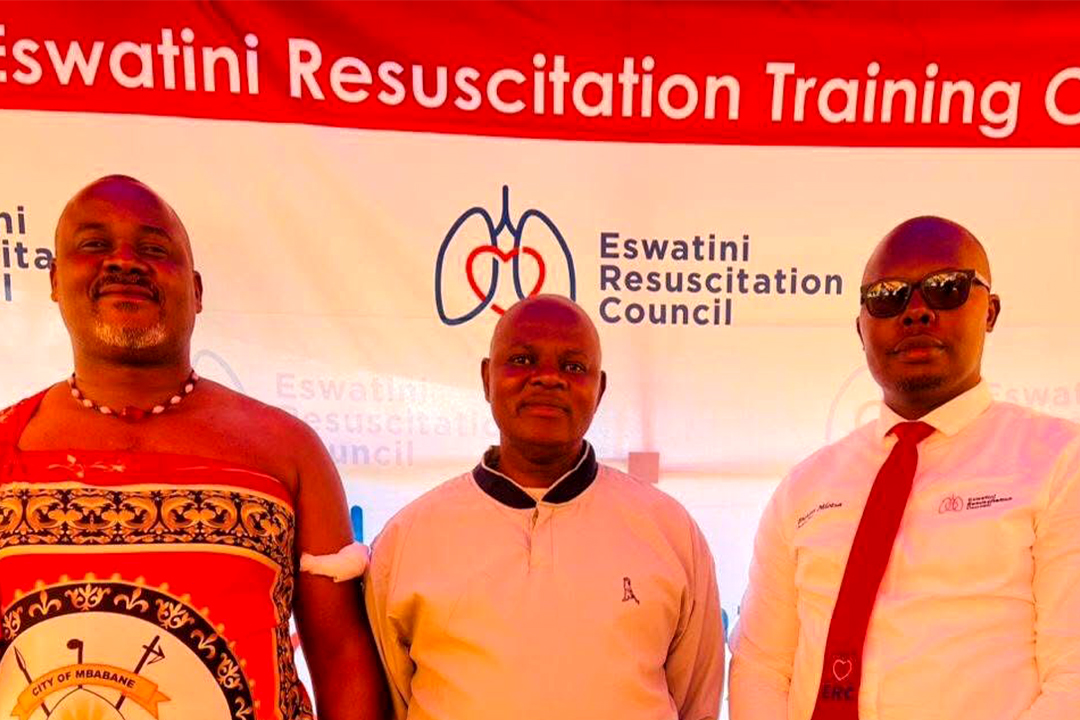
This people-centred mission was recently demonstrated in Makholokholo Ward 2, where residents from different age groups participated in hands-on First Aid training. A total of 24 participants successfully completed the programme and received certificates on Sunday, May 17, 2026. The training session was led by ERC Founder Bhekani Mlotsa, alongside Ward Committee Chairperson Knowledgeable Ngwenya, reflecting strong collaboration between the organisation and local leadership structures.
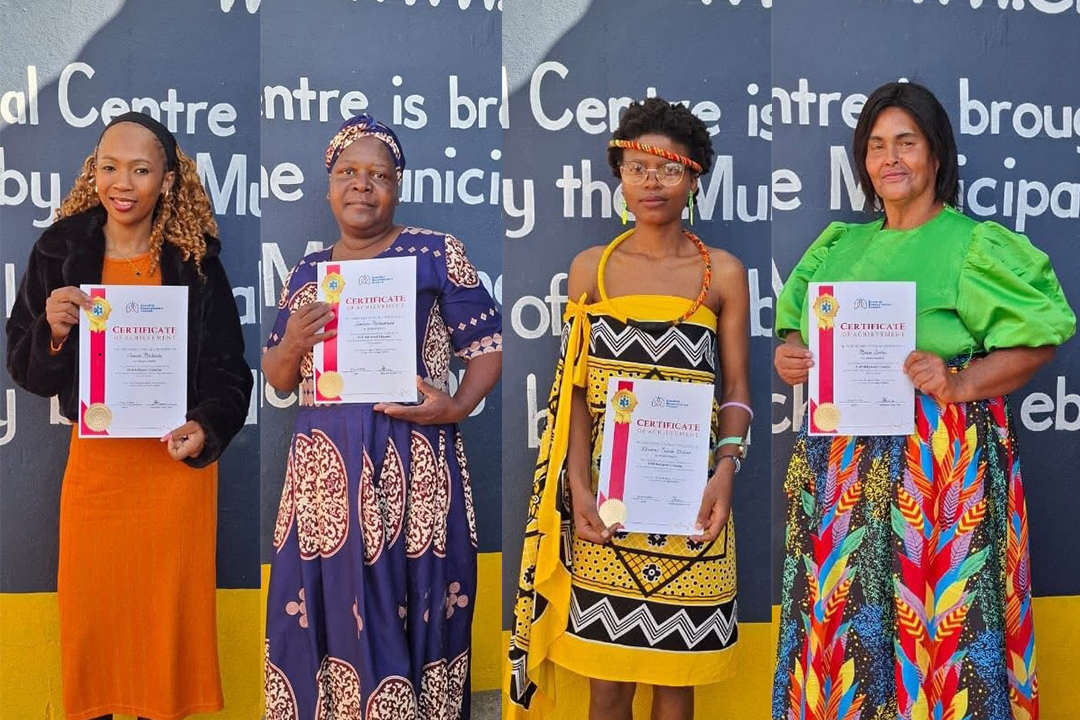
The programme focused on practical emergency response techniques, including how to assess a scene, assist an unconscious person, manage bleeding, and provide immediate support while awaiting professional medical assistance. Participants engaged in real-life simulations designed to build confidence and ensure readiness in unpredictable situations.

Rather than limiting First Aid knowledge to healthcare professionals, ERC continues to broaden access to ordinary citizens — including parents, youth, commuters, and workers — recognising that emergencies most often occur in everyday environments where professional responders are not immediately available.
Speaking during the ceremony, Mlotsa highlighted the importance of community readiness.
“Emergencies do not wait for professionals to arrive. They happen where people are — at home, in taxis, at schools, and in communities. That is why we are training the people who are already there,” he said.
He added that ERC’s vision is to build a culture where every household and community has at least one trained responder capable of acting decisively in the first few minutes of an emergency.
Participants expressed appreciation for the training, noting that it has changed how they perceive their responsibility within their families and communities. Many said they now feel empowered to act in situations where they previously felt helpless, especially in cases involving sudden illness or accidents.
Local municipal representatives present at the event praised the initiative, stating that community-based training plays a key role in building safer, more resilient societies. They emphasised that collaboration between residents, civic leaders, and emergency services is essential for effective response systems.
Through its ongoing outreach to chiefdoms, schools, and workplaces, ERC continues to advance its mission of decentralising life-saving knowledge. The organisation’s work reflects a growing recognition that emergency response begins not only with ambulances, but with prepared citizens on the ground.
Communities interested in hosting ERC First Aid training can contact +268 7695 3880.
#EswatiniResuscitationCouncil #ERC #CommunityFirstAid #FirstAidTrainingEswatini #Nkwe #EmpoweringEmaswati #EswatiniNews #TogetherWeSaveLives
(Courtesy Pics)


