


BY MBONGENI NDLELA
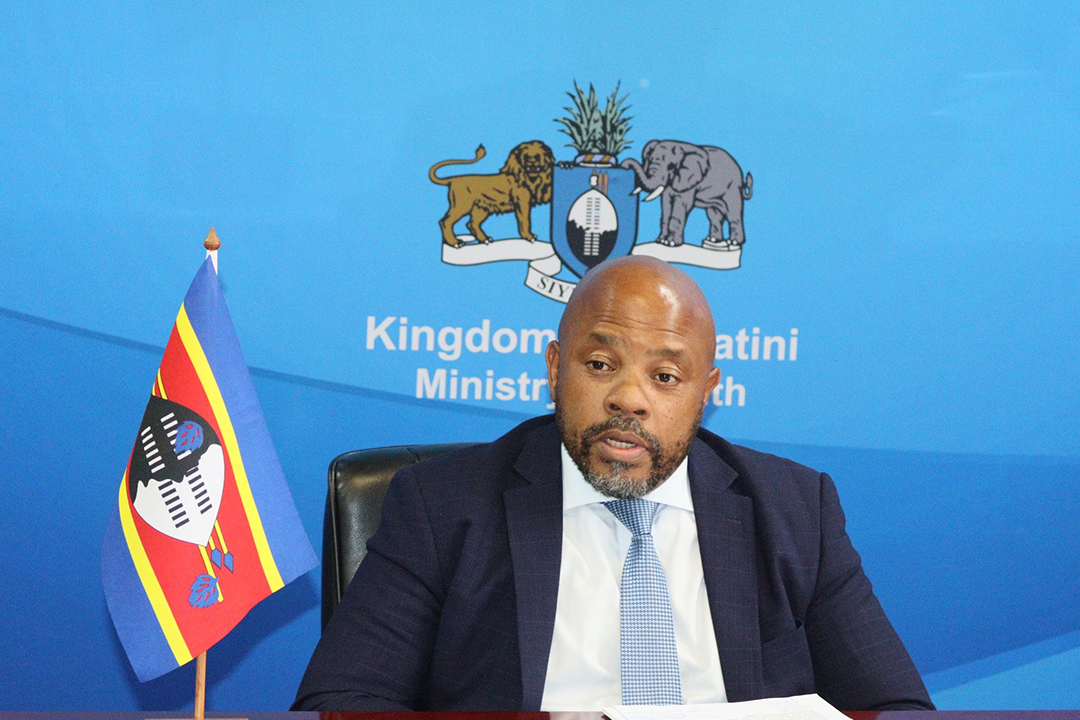
MBABANE— Minister for Health, Mduduzi Matsebula, has assured the nation that Eswatini’s health sector remains resilient and well-positioned following the withdrawal of the United States Government from the World Health Organization (WHO).
Responding to a question from Eswatini Positive News (EPN), Matsebula acknowledged that the United States’ decision to pull out of WHO carries global implications, particularly due to the termination of funding contributions, the recall of US technical experts, suspension of some US-supported activities, and withdrawal from participation in the annual World Health Assembly in Geneva.
He explained that the US has historically been WHO’s largest contributor, supporting critical programmes such as HIV and AIDS, tuberculosis, maternal and child health, vaccination, and responses to infectious diseases. As a WHO member state, Eswatini inevitably feels the ripple effects of such a major shift.
However, the Minister emphasized that Eswatini is in a far stronger position than many countries in the region.

“Eswatini has made deliberate investments in strengthening its health system over the years,” said Matsebula.
“The Government of Eswatini currently procures more than 90 percent of antiretroviral medicines, 100 percent of TB and malaria medicines, and all vaccines, including childhood vaccines. This has significantly cushioned the country from external shocks.”
He noted that while the withdrawal of US-deployed technical experts from the WHO Secretariat has led to some restructuring of programme support at country level, essential health services in Eswatini continue uninterrupted.
Importantly, Matsebula highlighted a new and encouraging development: direct support for epidemic preparedness and response through a recently signed Memorandum of Understanding between the United States Government and the Government of Eswatini.
“This new arrangement ensures that Eswatini continues to receive targeted support in areas of disease surveillance, preparedness, and rapid response, which are critical for national and regional health security,” he said.
Despite the global changes, Eswatini remains an active and committed member of the WHO and continues to benefit from the organization’s technical expertise and policy guidance.
In a positive reflection, the Minister said the situation presents an opportunity for growth and self-reliance.
“One of the most positive outcomes of this development is that it encourages WHO member states, including Eswatini, to further strengthen domestic health financing systems and reduce dependence on external funding,” Matsebula said.
He reaffirmed government’s commitment to safeguarding the health and wellbeing of the nation, adding that Eswatini will continue to build a sustainable, resilient, and responsive health system for present and future generations.
(Courtesy Pic)