



BY GCWALISILE MHLABANE
MBABANE– In a significant boost to Southern Africa’s fight against Foot and Mouth Disease (FMD), Eswatini has brought together leading veterinary experts, policymakers and development partners from across the region for a high-level workshop aimed at strengthening disease prevention, protecting livestock industries and restoring confidence in regional agricultural trade.
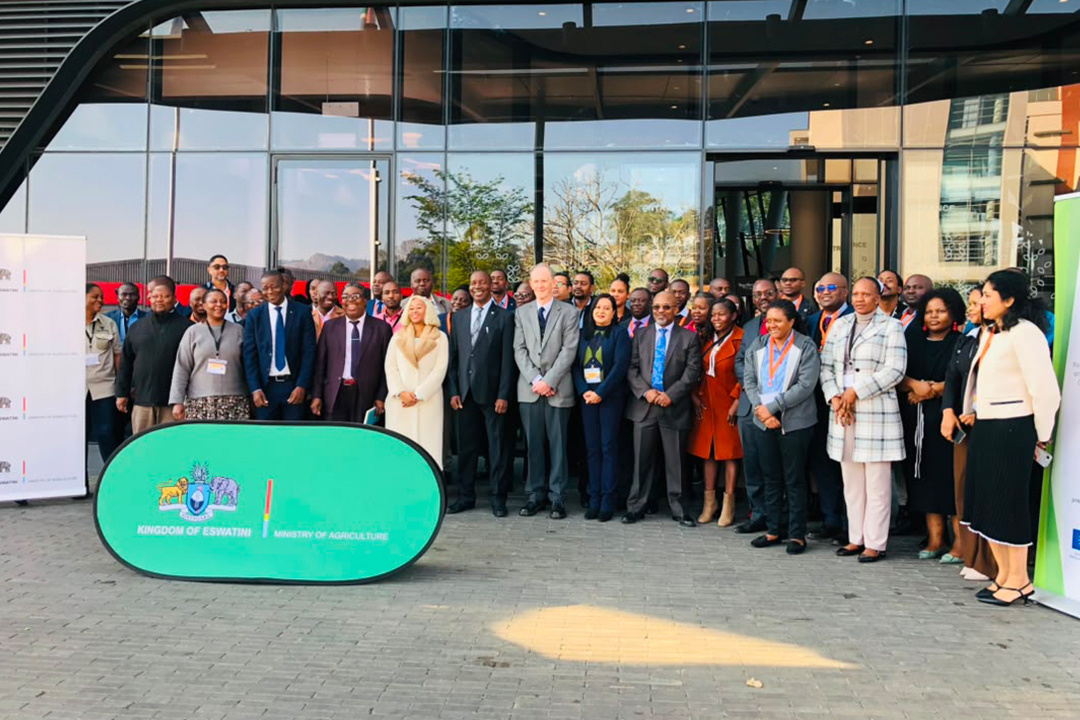
The three-day Southern African Development Community (SADC) Foot and Mouth Disease Prevention and Control Workshop officially opened on Tuesday, July 14, 2026, at the Hilton Garden Inn in Mbabane, with delegates from all 16 SADC member states joining representatives of the World Organisation for Animal Health (WOAH), the Food and Agriculture Organization of the United Nations (FAO), COMESA and other strategic partners to chart a united response against one of the region’s most economically damaging livestock diseases.
The workshop was officially opened by the Minister of Sports, Culture and Youth Affairs, Bongani Nzima, on behalf of the Minister of Agriculture, Mandla Tshawuka.
Delivering the keynote address, Nzima said the Kingdom was honoured to once again host a major WOAH regional programme, describing it as a vote of confidence in Eswatini’s commitment to advancing animal health and strengthening agricultural development across Southern Africa.

He noted that this is the fourth WOAH regional workshop to be hosted by Eswatini since 2011, reflecting the country’s growing role in promoting regional cooperation on animal health.
“Livestock production remains a cornerstone of Eswatini’s agricultural economy. It contributes significantly to food security, household incomes, employment creation and the cultural heritage of our people,” he said.
The Minister acknowledged that the Foot and Mouth Disease outbreak recorded in May 2025 had become the country’s most challenging outbreak to date.
The disease disrupted livestock production, affected domestic trade and resulted in Eswatini losing access to key international markets, including the lucrative European Union beef market.
“The 2025 outbreak has been the hardest to contain in our history. However, hosting this workshop at such a critical time renews our hope that through regional cooperation, scientific expertise and strengthened veterinary systems, we will successfully overcome this disease,” he said.
Nzima stressed that winning the fight against FMD requires sustained investment in skilled veterinary professionals, modern surveillance systems, rapid disease detection and reporting, strong biosecurity measures and close collaboration between governments, farmers, researchers, the private sector and development partners.
He emphasised that transboundary animal diseases cannot be defeated by countries working in isolation.
“Diseases do not recognise borders. Our surveillance systems, information sharing, preparedness and emergency response must be equally coordinated across the region. By working together through WOAH, SADC, FAO, COMESA and our development partners, we can build resilient animal health systems capable of protecting our livestock industries and our economies.”
Nzima said the workshop would equip participants with up-to-date knowledge and practical skills in disease surveillance, outbreak preparedness, emergency response and biosecurity, with the expertise expected to benefit veterinary services across the region long after the workshop concludes.
He reaffirmed Eswatini’s commitment to implementing internationally recognised WOAH standards as the country works towards regaining regional and international livestock markets.
Earlier, Principal Secretary in the Ministry of Agriculture Sydney Boy Simelane thanked WOAH for selecting Eswatini to host the workshop and commended veterinary officers, animal health technicians and retired professionals for their unwavering dedication during the country’s FMD response.
Despite the challenges encountered over the past year, Simelane expressed optimism about the progress achieved.
“There is now light at the end of the tunnel,” he said.
FAO Sub-Regional Representative Dr. Elma Tarisayi Zanamwe highlighted the urgency of coordinated regional action, revealing that seven Southern African countries had reported FMD outbreaks by June 2026.
She said livestock supports the livelihoods of more than 100 million people across Southern Africa, making stronger regional cooperation essential for safeguarding food security, protecting jobs, sustaining rural economies and preserving international trade.
Dr. Zanamwe applauded the Government of Eswatini, WOAH and SADC member states for demonstrating strong leadership in advancing regional biosecurity and veterinary services.
As experts continue deliberations over the next three days, the workshop is expected to strengthen regional preparedness, improve disease surveillance, enhance rapid response mechanisms and reinforce cooperation among SADC member states in the fight against Foot and Mouth Disease.
For Eswatini, hosting the workshop represents more than an international gathering. It underscores the Kingdom’s determination to build a resilient livestock sector, protect farmers’ livelihoods, restore valuable export markets and contribute meaningfully to a healthier, more food-secure and economically resilient Southern Africa.
#EswatiniPositiveNews #EswatiniAgriculture #SADC #FMDPrevention #AnimalHealth #WOAH #FAO #RegionalCooperation