



BY TANDZILE DLAMINI
MBABANE— Eswatini has stepped onto Africa’s growing clean energy stage, with the country using the Nuclear Energy Innovation Summit for Africa (NEISA) Conference in Rwanda to push for stronger cooperation among regulators as it builds its newly established nuclear and radiation safety body.
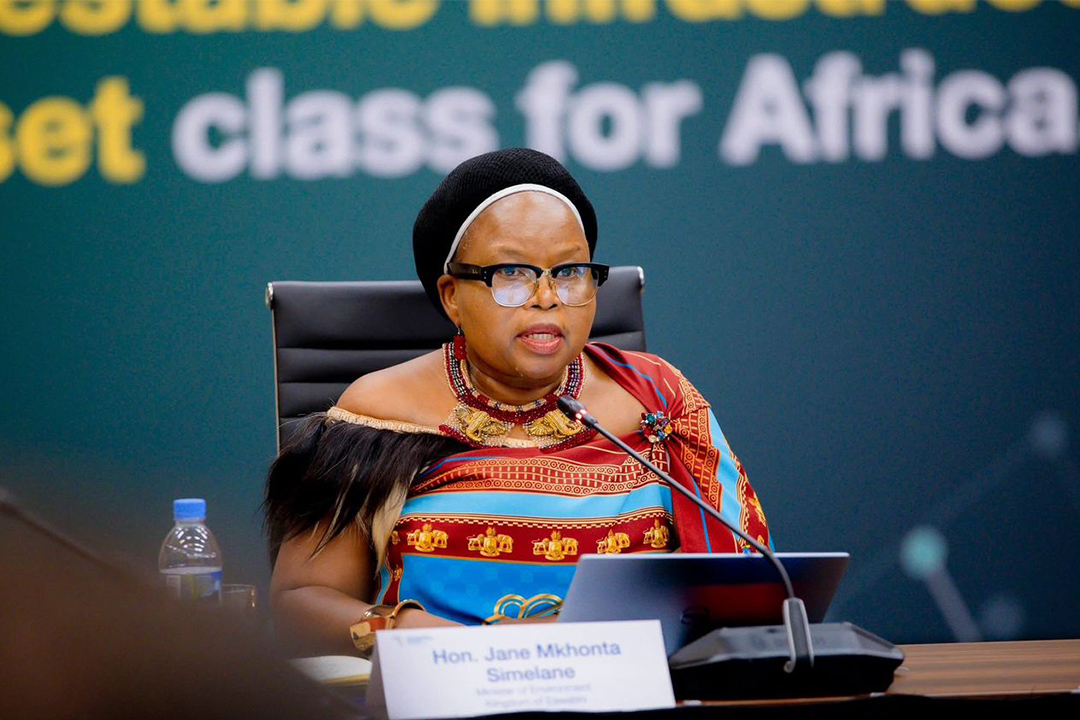
Speaking at the conference, the Minister of Tourism and Environmental Affairs, Jane Mkhonta-Simelane said Eswatini was looking to international, regional and bilateral partnerships to help the country develop the skills, laws and systems needed to safely regulate advanced energy technologies.
The conference brought together African leaders, regulators and energy experts to discuss the future of nuclear and clean energy on the continent, with a strong focus on safety, cooperation and sustainable development.
Mkhonta Simelane said Eswatini’s move comes at a time when the country is searching for long term solutions to improve energy security and reduce reliance on imported electricity.
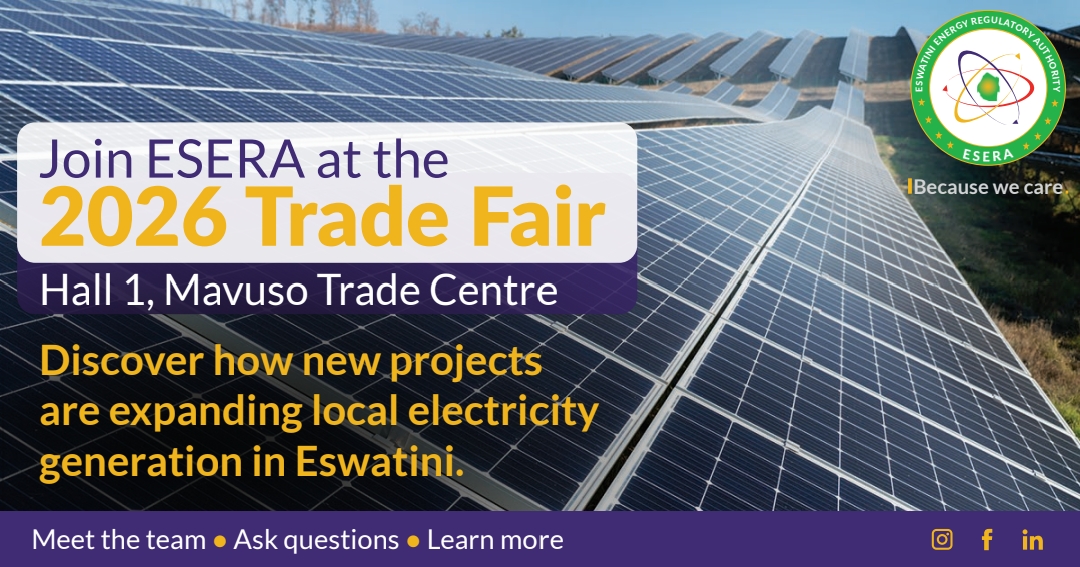
“Currently approximately 80 percent of our energy is imported from neighbouring countries, particularly South Africa and Mozambique,” she said. “While we deeply value these bilateral cooperation, it also highlights the importance of strengthening our own domestic energy security and resilience.”
The Minister revealed that Eswatini has already developed a programme of action aligned with national energy goals and the Sustainable Development Goals. She said the newly established Regulatory Body would play a critical role in preparing the country for future technologies while protecting public safety and confidence.
In one of the strongest messages from her address, Mkhonta Simelane stressed that African countries could not succeed in isolation. “No country can undertake this journey alone,” she said.
She pointed to cooperation with the International Atomic Energy Agency as one of the most important steps for emerging regulators such as Eswatini. She said support from the agency had already helped Eswatini develop the Nuclear Radiation and Safety Act of 2025 and improve institutional preparedness.
The Minister also praised African countries including Ghana, Morocco, Zimbabwe and South Africa for sharing lessons and best practices on establishing and operating regulatory bodies.
She further highlighted the importance of regional cooperation platforms, saying Eswatini had learned valuable lessons from more experienced African regulators during the conference. “We view this forum as a unique and valuable platform for enhancing cooperation, networking and mutual learning among African regulators and institutions,” she said.
The Minister also linked clean energy development to Africa’s broader economic ambitions under Agenda 2063, saying technologies such as Small Modular Reactors could help unlock industrial growth while supporting sustainable development.
Her remarks reflected growing momentum across Africa as countries search for reliable and cleaner energy sources to power industries, create jobs and reduce pressure on unstable electricity supplies. Eswatini’s delegation included board members Mr Zwelethu Jele and Mr Nhlanhla Nhlabatsi, as well as Chief Environmental Coordinator Ms Constance Dlamini.
Mkhonta Simelane thanked the Government of Rwanda for hosting the conference and creating what she described as a valuable learning platform for African nations shaping the future of energy regulation. “Together, through international, regional and bilateral cooperation, we can build the institutional capacity to responsibly regulate advanced technologies and ensure a brighter, more sustainable future for Africa,” she said.
(Courtesy Pic)