


BY GCWALISILE MHLABANE
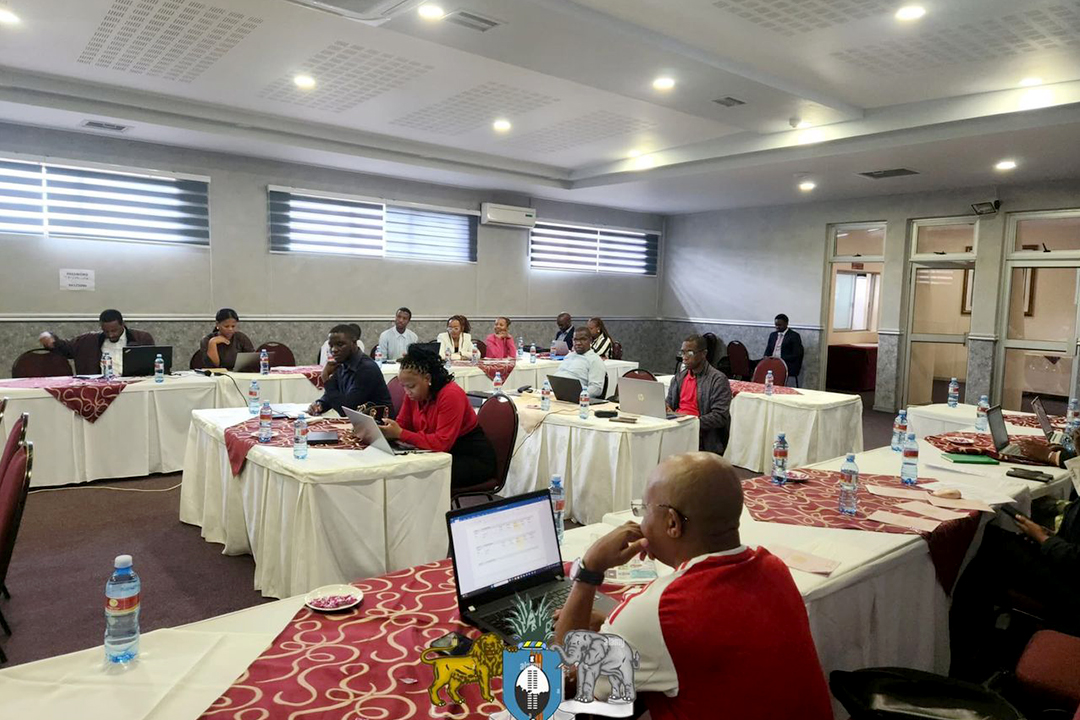
EZULWINI– The Government of the Kingdom of Eswatini has stepped up efforts to strengthen accountability and evidence-based decision-making as the Ministry of Economic Planning and Development continues a decisive three-day National Monitoring and Evaluation (M&E) Policy Guidelines Validation and Implementation Plan Costing Workshop at Bethel Court, running from May 4 to May 6, 2026.
The high-level engagement brings together key stakeholders from across government and development sectors to refine and validate the National M&E Policy Guidelines while finalising a costed implementation framework expected to anchor how national development programmes are tracked, assessed and improved.
At the centre of the process is a national drive to ensure that government programmes are not only implemented, but measured for real impact, efficiency and results that directly benefit citizens.
The National Monitoring and Evaluation Policy provides the backbone for tracking progress across all sectors, ensuring that development initiatives deliver measurable outcomes. The accompanying guidelines define clear procedures to ensure consistent implementation, stronger coordination and improved quality in national reporting systems.

Chief Economist Sifiso Mamba opened the deliberations by underscoring the shift from policy design to practical execution, stressing that the success of the framework depends on its ability to work across all levels of government.
He explained that while the policy defines national priorities and targets, the guidelines provide the operational direction that ensures alignment and consistency in implementation across both large-scale and sector-specific programmes.
Mamba further reflected on key progress made in 2025, including the validation of the National M&E Policy and the National Development Plan (NDP) M&E Framework, describing these milestones as a clear demonstration of Eswatini’s commitment to results-driven governance aligned with national development goals.
As discussions progressed into the second day, technical engagements deepened, with stakeholders focusing on refining the guidelines and strengthening the costing framework that will support implementation.
Participants also examined coordination mechanisms aimed at improving data quality, strengthening accountability structures and ensuring that reporting across sectors is consistent and reliable.
“A policy without a budget is a wish. If we are serious about implementation, then we must ensure that what we design is fully funded, practical and capable of delivering results.” — Sifiso Mamba
The workshop is expected to conclude on May 6, 2026, with validated guidelines and a comprehensive implementation costing plan that will shape the future of monitoring and evaluation in Eswatini’s development agenda.
Once completed, the framework is expected to strengthen coordination across government, improve accountability systems, and embed a culture of measurable results and performance-driven development.
#EswatiniGovernment #NationalDevelopment #MonitoringAndEvaluation #MEPDEswatini #PolicyReform #PublicSectorReform #Accountability #GoodGovernance #ResultsBasedManagement #EconomicPlanning #DevelopmentAgenda #NDP #PolicyValidation #Ezulwini #BethelCourt #EswatiniDevelopment
(Courtesy Pic)