BY GCWALISILE MHLABANE
EZULWINI– Eswatini has taken a significant step towards safeguarding the health and future of its children with the official launch of the Childhood Lead Poisoning Awareness Campaign, spearheaded by UNICEF in partnership with the Ministry of Health’s Health Promotion Unit.
The national campaign was inaugurated on December 8, 2025, at Bethel Court in Ezulwini, with senior government and health officials in attendance.
The campaign places a strong emphasis on prevention as the most effective public health solution to what experts describe as a “silent crisis”. Lead, scientifically known as Pb (from the Latin plumbum), is a naturally occurring heavy metal that was historically used in paint, petrol and plumbing. However, its toxic effects on the human body—especially on young children—are devastating and irreversible. Once absorbed, lead spreads throughout the body and is stored in bones and vital organs, causing lasting damage to the developing brain and nervous system.
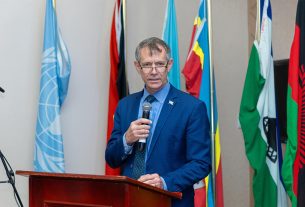
Speaking at the launch, Senior Medical Officer for Public Health, Dr Edman Shabangu, who represented the Ministry of Health and the Directorate of Public Health, delivered a powerful message on the urgency of preventative action.
“The files before us, and indeed the global evidence, confirm a profound truth about public health that we must internalise and act upon: prevention is the only viable solution,” said Dr Shabangu.
He acknowledged that Eswatini currently lacks up-to-date national data reflecting the full scale of lead exposure but warned that the country remains vulnerable due to industrial growth and limited regulatory control over lead use. He stressed the permanence of lead-related damage, cautioning: “Waiting for illness can mean waiting for damage that can never be fixed.”
The campaign seeks to educate communities on where lead exposure commonly occurs. These include lead-based household paints, contaminated water sources, industrial waste from activities such as battery recycling and metal smelting, certain cosmetics and traditional remedies, as well as glazed ceramics used in household dishware.
To ensure the message reaches every corner of society in an engaging and memorable way, the Health Promotion Unit has partnered with the Eswatini Council of Arts and Culture. Together, they will roll out innovative communication approaches such as live performances, radio dramas, songs and digital comedy skits. This creative “edutainment” strategy is designed to ensure message retention while making public health education accessible and culturally relevant.
The nationwide awareness drive is scheduled to begin its regional rollout this week, starting in the Manzini Region at Kwaluseni Inkhundla. The campaign aims to empower families with knowledge, encourage safer household practices and strengthen community vigilance against environmental health risks.
Health authorities emphasised that protecting children from lead exposure is essential not only for their physical wellbeing, but also for their cognitive development, educational success and long-term productivity. By intervening early and promoting preventive measures, the campaign seeks to secure healthier futures for Eswatini’s children.
The initiative reflects the country’s growing commitment to proactive public health strategies and strong partnerships between government, international organisations and the creative sector. As the campaign gains momentum across the nation, it is expected to play a vital role in reducing preventable childhood illnesses and strengthening Eswatini’s public health resilience.