



BY SIBUSISEKILE NDLANGAMANDLA
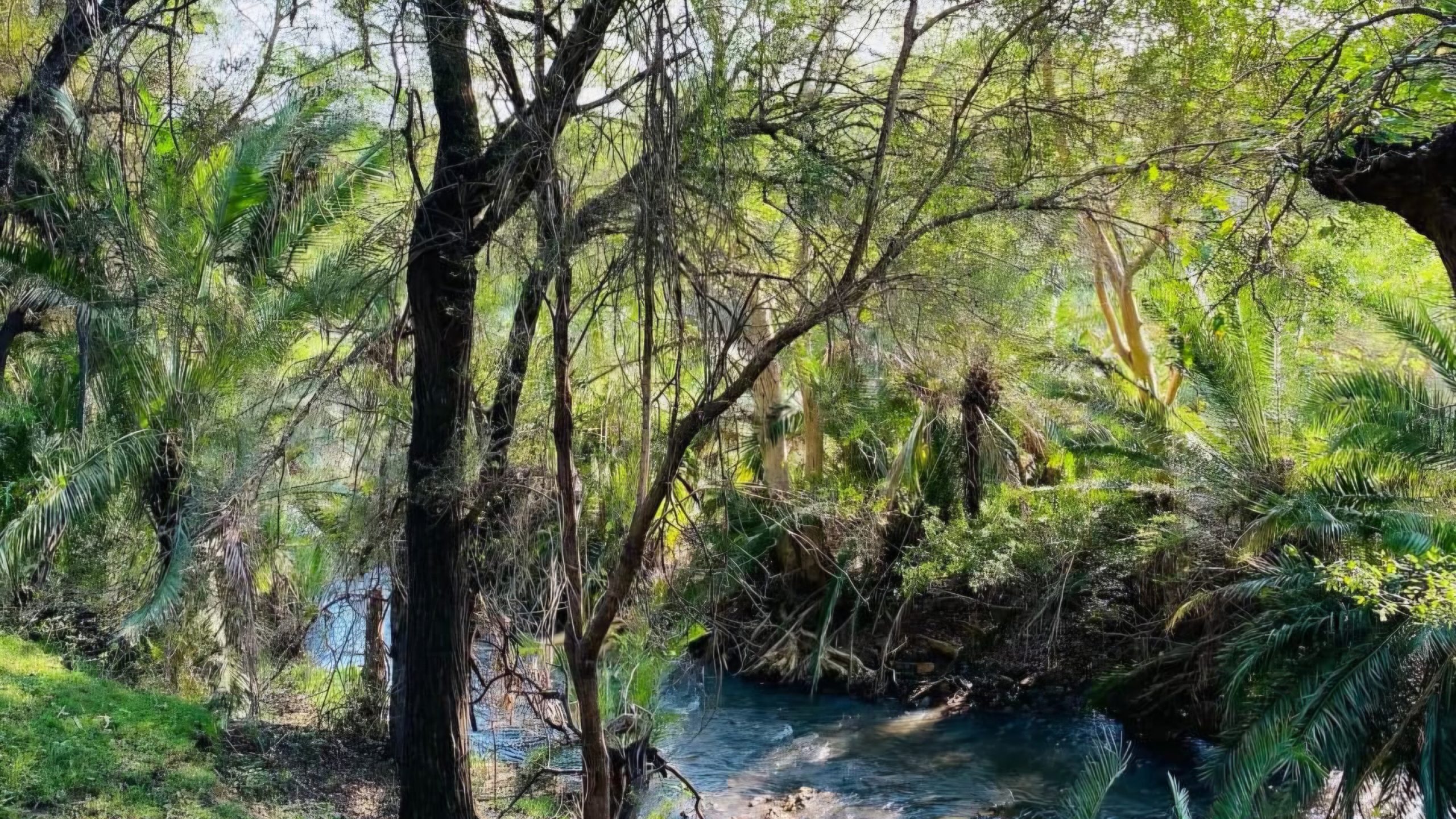
MANZINI– Eswatini is looking to mobilise more than E6.14 billion by 2035 to protect and restore the forests, wetlands, rivers, grasslands and wildlife that millions of livelihoods and key sectors of the economy ultimately depend on.
The ambitious investment, estimated at between E6.14 billion and E6.15 billion, forms part of the country’s draft National Biodiversity Strategy and Action Plan (NBSAP) 3.0, which charts a long-term path towards protecting Eswatini’s natural resources while strengthening the resilience of communities and the economy.
At the heart of the strategy is a simple reality: protecting nature is not only about preserving wildlife. Healthy ecosystems help provide clean and reliable water, productive agricultural land, tourism opportunities and livelihoods, while also cushioning communities against the growing effects of climate change and natural disasters.
This means the billions being proposed under the strategy could ultimately have an impact far beyond conservation areas.
Farmers depend on healthy soils, rivers and predictable water supplies to produce food. Communities rely on forests, grasslands and wetlands for various natural resources, while the tourism sector benefits from the landscapes, wildlife and natural attractions that continue to make Eswatini an attractive destination.
However, years of environmental pressure have left some of these ecosystems degraded and in need of urgent attention.
For that reason, more than 80 per cent of the projected financial requirement is expected to be channelled towards restoring degraded ecosystems, making restoration the single largest investment area under the proposed strategy.
The emphasis signals a shift from merely protecting what remains to actively repairing damaged landscapes and natural systems so they can continue supporting communities and economic activity for generations to come.
The strategy identifies land degradation, climate change, pollution, invasive species and the unsustainable use of natural resources among the major pressures threatening Eswatini’s environment.
Addressing these challenges will, however, require substantial financial resources.
Despite the E6.14 billion-plus requirement, current funding projections indicate that Eswatini still faces an estimated E2.99 billion biodiversity financing shortfall.
Closing this gap will therefore be one of the major challenges if the country is to turn the strategy from a policy document into practical conservation and restoration programmes on the ground.
To raise the required funding, the draft strategy proposes a combination of increased Government allocations, international financial support, private-sector investment and innovative environmental financing mechanisms.
The strategy further makes it clear that money alone will not be enough.
Successful implementation will require capable institutions, sufficient budgets, reliable scientific and environmental data, practical programmes on the ground and long-term systems of accountability.
This is particularly important because biodiversity commitments can only produce meaningful results when they are backed by institutions with the capacity and resources to implement them.
The draft NBSAP 3.0 contains 23 headline targets, aligned with the Kunming-Montreal Global Biodiversity Framework.
These have been further broken down into 58 national targets and sub-targets, providing a more detailed roadmap for action across the country.
Through these targets, Eswatini hopes to strengthen environmental protection while ensuring that communities and economic sectors dependent on natural resources can continue benefiting from healthy and productive ecosystems.
The proposed investment therefore represents more than a conservation programme. It is also an investment in the country’s water security, food production, tourism potential, climate resilience and the future livelihoods of emaSwati.
By 2035, the strategy seeks to place Eswatini on a stronger footing to protect its natural wealth, restore degraded ecosystems and build communities that are better able to withstand environmental and climate-related pressures.
If the required financing can be mobilised and translated into action on the ground, Eswatini’s forests, rivers, wetlands, grasslands and wildlife could become not only beneficiaries of the investment, but important foundations for sustainable economic growth and improved livelihoods for generations to come.
(Courtesy Pic)