


BY SIBUSISEKILE NDLANGAMANDLA
MANZINI – Seventy women entrepreneurs have been equipped with practical environmental, social and governance (ESG) skills to strengthen their businesses and prepare them for participation in international markets.
The women have been equipped with practical skills through Women in Trade and Development (WITAD), adding to the 2 000 women the organisation has trained to date.
The training is helping women-owned businesses understand how responsible environmental practices, safe working conditions and sound business management can strengthen their operations and create opportunities to reach new markets.
WITAD has broken down environmental, social and governance requirements into practical steps that women entrepreneurs can apply in their daily operations.

The training has covered product safety, Hazard Analysis and Critical Control Points (HACCP), Global Good Agricultural Practices (Global GAP), packaging, labelling and marketing.
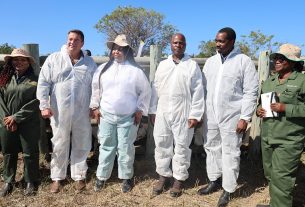
For women involved in agriculture, the environmental component has introduced approaches aimed at improving production while reducing pressure on natural resources.
WITAD has trained women in organic and climate-smart farming, while some beneficiaries have adopted solar energy and biogas through the Powering Gender Equality project. The social component has focused on creating safer and more inclusive environments for women entrepreneurs, their workers and communities.
They have also incorporated safeguarding and prevention of sexual exploitation, abuse and harassment into its training, while traditional leaders have also been equipped with knowledge on safeguarding and gender equality.
The initiative recognises that economic empowerment cannot be separated from creating environments where women can participate confidently and safely in economic activities.
The programme comes as Eswatini seeks to expand its participation in international trade. According to the International Trade Centre Export Potential Map, the country has an estimated $114 million, approximately E2 billion, in untapped export potential across agriculture, textiles and handicrafts under the EU-SADC Economic Partnership Agreement.
For the women involved, understanding these standards can help them strengthen their businesses and position their products for larger and more formal markets.
The training therefore goes beyond classroom knowledge, giving entrepreneurs practical tools to improve how they produce, manage and market their goods. With nearly 2 000 women reached through WITAD’s programmes, the latest group adds to a growing number of women being equipped to contribute to Eswatini’s trade and economic development.
#WITAD #WomenInTrade #ESG #WomenEntrepreneurs #WomenEmpowerment #TradeDevelopment #Eswatini