


BY MFANUFIKILE KHATHWANE
MBABANE – Eswatini’s technical and vocational education and training (TVET) institutions have been presented with a significant opportunity to expand their reach and strengthen skills development through Europe, following the opening of applications under the European Union’s Erasmus+ Programme.
With the application deadline set for 26 March 2026, eligible institutions now have a limited window to prepare competitive proposals and establish partnerships with counterparts across Sub-Saharan Africa and the European Union. The programme is expected to play a transformative role in enhancing the quality, relevance and international competitiveness of TVET systems in Eswatini.
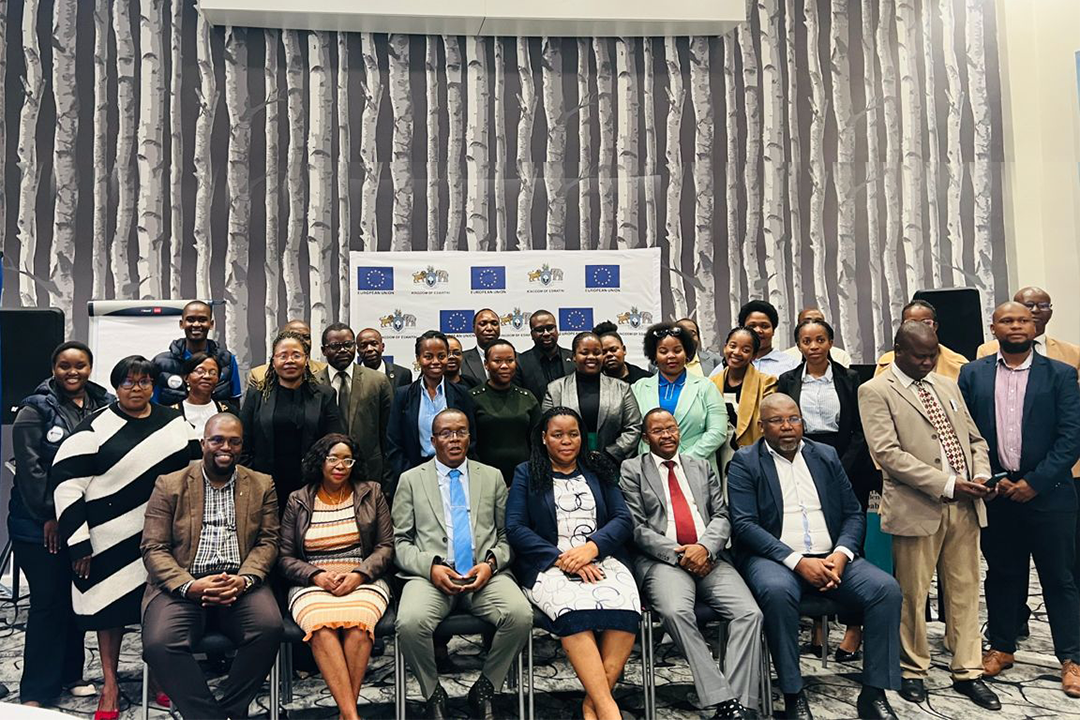
The opportunity was highlighted during an Erasmus+ Information Session held on 15 January 2026 at the Hilton Garden Inn in Mbabane. Speaking on behalf of the EU Ambassador, Allen G Dlamini, Programme Manager for Skills Development at the EU Delegation to Eswatini, addressed representatives from the Ministries of Education and Training, Labour and Social Security, as well as leaders of TVET institutions.
“Erasmus+ is more than a funding opportunity; it is a strategic tool for long-term institutional development, collaboration and regional integration,” said Dlamini. He explained that the programme is designed to strengthen cooperation, promote innovation and enhance employability by aligning training with modern labour market demands.

Eligible applicants include vocational schools, technical colleges, research organisations, public authorities and private sector employers involved in skills training. Projects must involve at least four partners from three countries, with one institution acting as the project coordinator. This structure offers Eswatini institutions a gateway to collaborate with leading TVET providers and industry players in Europe and across Africa.
The Erasmus+ TVET partnerships focus on improving work-based learning, modernising curricula and strengthening institutional capacity. The programme also supports the professional development of trainers, promotes green, digital and STEM skills, and encourages innovation through international exchanges, including virtual mobility initiatives.
Funding under the programme can cover up to 80 per cent of total project costs, with a maximum grant of €500,000 (approximately E11.25 million) per project. Approved projects may run for up to 36 months, providing sufficient time for institutions to implement meaningful and sustainable reforms.
Dlamini emphasised the importance of building strong partnerships between education institutions, industry and civil society to ensure that skills development remains responsive to economic needs. “In today’s interconnected world, Erasmus+ builds bridges by connecting continents, fostering mutual learning and creating resilient education systems,” he said.
The EU’s continued support reflects its long-term partnership with Eswatini in promoting youth empowerment, employability and inclusive economic growth, particularly in sectors critical to national development. During the session, participants received practical guidance on identifying partners, navigating the EU Funding and Tenders Opportunities Portal, and developing high-quality proposals.
Applications must be submitted online via the portal under Call ID: ERASMUS-EDU-2026-CB-VET-SSA, with all submissions due by 26 March 2026 at 17:00 CET.
As the deadline approaches, TVET institutions are encouraged to act decisively, collaborate widely and seize this opportunity to modernise training programmes, strengthen workforce skills and position Eswatini as an active participant in regional and international technical education networks.