


BY NOXOLO DLAMINI
PIGG’S PEAK- As technology continues to shape the way people communicate, learn and access information, cellphones have become increasingly common among school-going children. In Eswatini, the growing presence of mobile phones among learners raises an important question: Is it wise for school children to have cellphones?
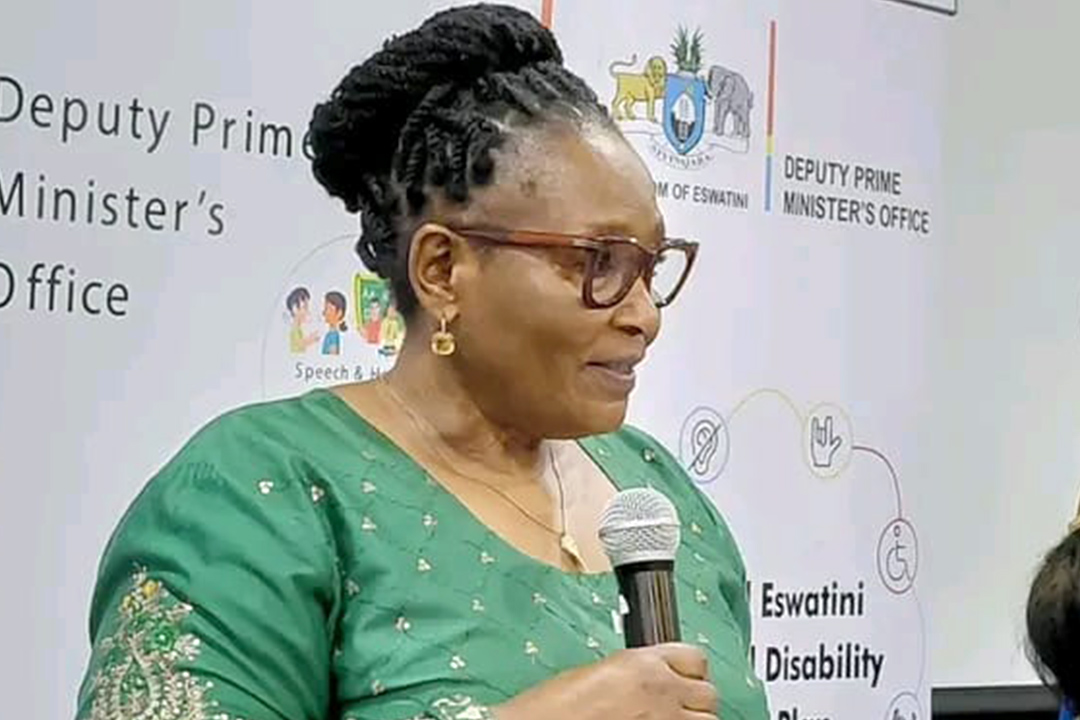
Early this year the Deputy Prime Minister speaking at a teenage Pregnancy Awareness campaign held at Ngudzeni FEA Sports Ground said that parents should avoid at all costs giving their children cellphones as they are believed to corrupt them.
While concerns about distraction and misuse remain, cellphones can also become valuable educational and communication tools when used responsibly.
For parents, having a child carry a cellphone can provide peace of mind. Learners can communicate with their parents when travelling to and from school, while the devices can also be useful during emergencies. For older learners, smartphones can provide access to educational resources, online research, dictionaries, learning platforms and other tools that can complement classroom education.

However, the benefits come with responsibilities. Uncontrolled access to social media, games and entertainment can interfere with schoolwork and concentration. Learners may also face challenges such as cyberbullying, exposure to inappropriate content and pressure to participate in online trends.
Schools therefore have an important role to play in promoting responsible cellphone use. Clear policies can help ensure that phones do not disrupt lessons, while digital literacy programmes can teach learners how to use technology safely, respectfully and productively.
Parents also have a responsibility to guide children at home. Setting reasonable screen-time limits, monitoring online activities according to the child’s age and encouraging phone-free study and sleeping periods can help children develop healthier digital habits.
Rather than viewing cellphones as entirely good or bad, the focus should be on how they are used. A cellphone in the hands of a responsible learner can support communication, safety and education, while an unrestricted device can easily become a distraction.
As Eswatini continues to embrace digital technology, helping young people develop responsible digital habits is just as important as giving them access to technology. The goal should be to raise learners who are not only connected, but also informed, disciplined and able to use technology to improve their education and future opportunities.
#EswatiniPositiveNews#Education #DigitalLearning #SchoolChildren #TechnologyInEducation #ResponsibleTechnologyUse #YouthDevelopment #DigitalLiteracy #Eswatini
(Courtesy Pic)