


BY GCWALISILE MHLABANE
MBABANE– Government has taken a significant step toward strengthening consumer protection, electrical safety and energy efficiency with the launch of the first stakeholder consultation on the Draft Regulations for the Enforcement of Electrical and Electronic Equipment and Appliances Standards, 2026.
The consultation, hosted by the Ministry of Natural Resources and Energy in collaboration with the Eswatini Energy Regulatory Authority (ESERA), was held at the Hilton Garden Inn Hotel in Mbabane on July 2, 2026. The high-level engagement brought together senior government officials, technical experts, industry representatives and development partners to deliberate on a proposed regulatory framework aimed at tightening safety, quality and compliance standards in Eswatini’s electrical and electronic equipment market.
Once implemented, the regulations are expected to ensure that all electrical and electronic products on the market meet strict safety, quality and energy efficiency standards, significantly reducing the circulation of unsafe, counterfeit and substandard goods.
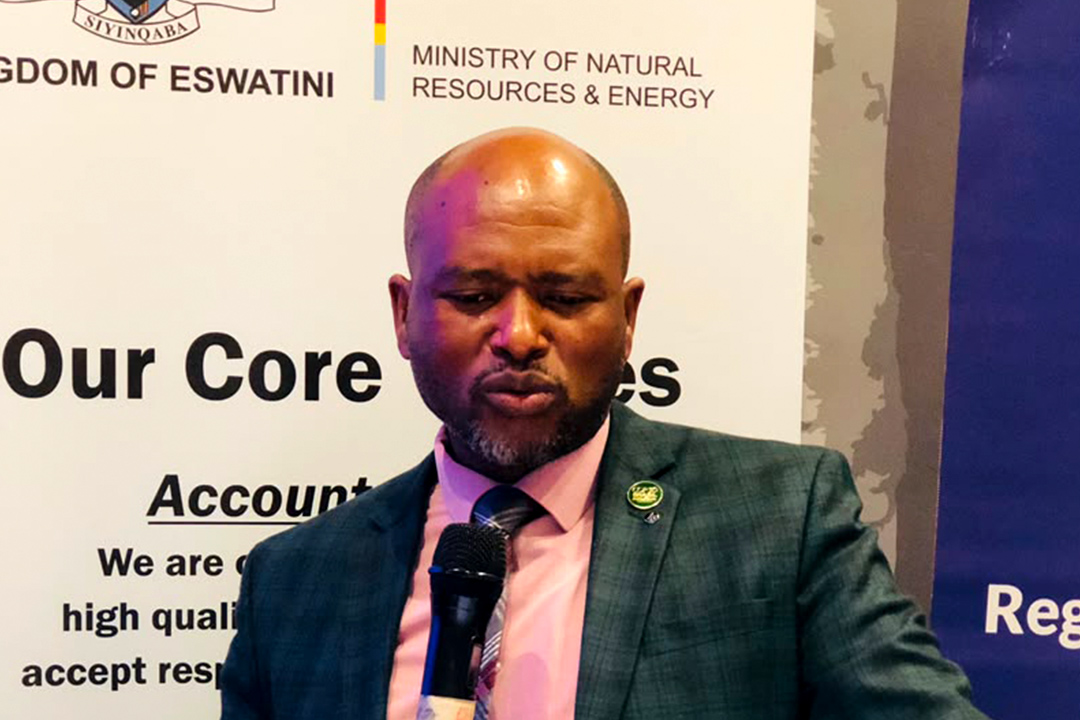
Speaking on behalf of the Principal Secretary in the Ministry of Natural Resources and Energy, Senior Energy Officer for Alternative Fuels Research and Climate Change, Thembinkosi Ndzimandze, said the reforms come at a critical moment as Eswatini’s electrification rate has reached approximately 89 percent.

He said the rapid expansion of electricity access, industrial growth and increased uptake of renewable energy technologies, particularly solar photovoltaic systems, has made it necessary to strengthen regulatory oversight to safeguard consumers.
“The consultation represents an important milestone in our country’s journey towards building a modern regulatory framework that protects consumers, promotes fair competition, supports sustainable industrial development and contributes to national energy security,” Ndzimandze said.
He warned that without strong regulation, the market could be exposed to unsafe and inefficient electrical products.
“Without an effective regulatory framework, unsafe, counterfeit and inefficient electrical products can enter the market, exposing consumers to electrical hazards, increasing electricity consumption, undermining responsible businesses and contributing to environmental degradation,” he said.
Ndzimandze stressed that Government has a responsibility to ensure that development is matched with strong safeguards that protect citizens and the environment.
“As Government, we have both a responsibility and an obligation to ensure that economic growth is accompanied by appropriate safeguards that protect our people, our economy and our environment,” he said.
He further noted that the reforms go beyond compliance and are intended to strengthen national systems that support safety, efficiency and fair competition.
“Beyond compliance, these regulations are not just about ticking boxes; they protect the integrity of our national policies,” he said.
The proposed framework introduces a structured, risk-based regulatory system designed to ensure that only safe and compliant electrical and electronic equipment enters the Eswatini market. It begins with product registration and approval, followed by technical evaluation and verification of conformity documentation before a Letter of Approval is issued and products are entered into a national register.
Technical assessments will focus on product specifications, applicable standards, certification, labelling requirements and energy efficiency performance. Only products that meet all requirements will be allowed into the market, while regulators retain the authority to request additional testing or clarification where necessary.
Before importation, products must have a valid Letter of Approval, match approved specifications exactly and be supported by full documentation from approved suppliers. At border points, import permits, customs declarations and verification processes will be conducted, with physical inspections carried out where necessary. Compliant goods will be cleared for release, while non-compliant products will face enforcement action.
The system further includes market surveillance, inspections, enforcement actions and an appeals mechanism to ensure accountability and continuous improvement in regulatory implementation.
During the consultation, Thulani Mdluli from the Energy Department under the Ministry of Natural Resources and Energy highlighted the growing importance of strengthening regulatory systems as energy demand and technology adoption increase across the country.
“Eswatini’s growing reliance on household appliances, industrial machinery and solar PV systems makes it critical to strengthen quality and safety frameworks to protect consumers and ensure system reliability,” Mdluli said.
He added that rapid electrification must be matched with strong safety and quality assurance systems.
The reforms also align with Eswatini’s Nationally Determined Contributions (NDC 3.0), which aim to reduce carbon emissions through improved energy efficiency across households, industry and transport.
Government reiterated that stakeholder engagement remains central to the process, ensuring that the final regulations are practical, balanced and responsive to market realities.
The consultation marks a key milestone in strengthening Eswatini’s electrical safety regime, ensuring that every electrical and electronic product on the market meets high standards that protect Emaswati, promote fair trade and support a safer, more sustainable energy future.
#Eswatini #Government #ConsumerProtection #ElectricalSafety #EnergyEfficiency #ESERA #MNRE #Mbabane #StandardsRegulations #PublicSafety #ClimateAction #NDC3 #SustainableDevelopment #EnergySecurity #QualityStandards
(Courtesy Pic)