


BY GCWALISILE MHLABANE
MANZINI- Eswatini’s declining birth rate is raising an important question about the country’s future: is having fewer children a sign of progress and greater reproductive choice, or could it eventually create challenges for the economy and an ageing population?
In 2026, Eswatini’s fertility rate is estimated at about 2.7 children per woman, compared with 2.7 in 2024, according to United Nations-based population estimates. The country’s crude birth rate is estimated at about 23.4 births per 1 000 people in 2026, down from about 23.9 in 2024. The figures mark a dramatic change from previous decades, when women were having considerably more children.
Population and Development Analyst and Consultant Rachel Masuku, whose direct operational role is primarily with the United Nations Population Fund (UNFPA), says the decline should not simply be described as good or bad.
In an interview with Eswatini Positive News, Masuku said the significance of the decline depends on whether people are freely making reproductive choices and whether the country prepares for the demographic changes that follow.

“The fall is neither good nor bad,” Masuku said. “It can bring benefits when people are freely choosing when and how many children to have. It can become a challenge later if the country does not create jobs, prepare for an older population, and continue protecting reproductive rights.”
The long-term change is clearer when compared with historical census figures. Eswatini’s total fertility rate stood at 7.8 children per woman in 1966, before falling to 6.9 in 1976, 6.4 in 1986, 4.5 in 1997, 4.0 in 2007 and 3.2 in 2017.
Household surveys show the same broad direction. The 2006–07 Demographic and Health Survey recorded 3.8 births per woman, compared with 3.3 in the 2014 Multiple Indicator Cluster Survey and 3.2 in the 2021–22 MICS.
Masuku said lower fertility can benefit families when it reflects informed and voluntary choices.
It can mean fewer unintended pregnancies, safer spacing between births and greater ability for women and couples to decide when to have children. Families may also be able to invest more in each child, while girls and women may have greater opportunities to remain in school and participate in the economy.
Eswatini has also recorded progress in adolescent fertility. The adolescent birth rate fell from 111 births per 1 000 women aged 15–19 in 2006–07, to 87 in 2014 and 78 in 2021–22.
However, adolescent pregnancy remains a concern. The 2021–22 MICS reported that 16.8 per cent of women aged 15–19 had either had a live birth or were pregnant with their first child.
Masuku cautioned that a lower national fertility rate does not mean every woman has full reproductive choice. In 2021–22, 20.4 per cent of married or in-union women had an unmet need for family planning.
Education and household wealth are also associated with differences in fertility. The 2006–07 DHS recorded 4.9 children per woman among women with no education, compared with 2.4 among women with tertiary education. The 2021–22 MICS recorded fertility of 4.0 among women in the poorest households, compared with 2.3 among those in the richest households.
The longer-term concern is what continued fertility decline could mean for Eswatini’s workforce.
Fewer children today could eventually mean fewer young people entering the workforce tomorrow. At the same time, a growing share of older people could increase demand for pensions, healthcare and long-term care.
But Masuku said this outcome is not automatic.
Eswatini could benefit from a demographic dividend if its working-age population is healthy, educated, skilled and employed.
“The government should not respond to falling fertility by telling women to have more children,” Masuku said.
Instead, she recommends protecting reproductive choice, strengthening voluntary family-planning services, preventing adolescent and unintended pregnancies, supporting people who want children, investing in young people and creating decent employment opportunities.
Eswatini therefore does not face a fertility crisis simply because fewer children are being born.
It faces a planning challenge.
The country must ensure that people can make informed reproductive choices while preparing its education system, labour market, healthcare services and social protection systems for a population that will continue to change.
The real issue is not whether Eswatini should have more children, but whether it is prepared to make the most of the people it has.
#Eswatini #BirthRate #Fertility #Population #FamilyPlanning #Youth #DemographicChange #EconomicGrowth
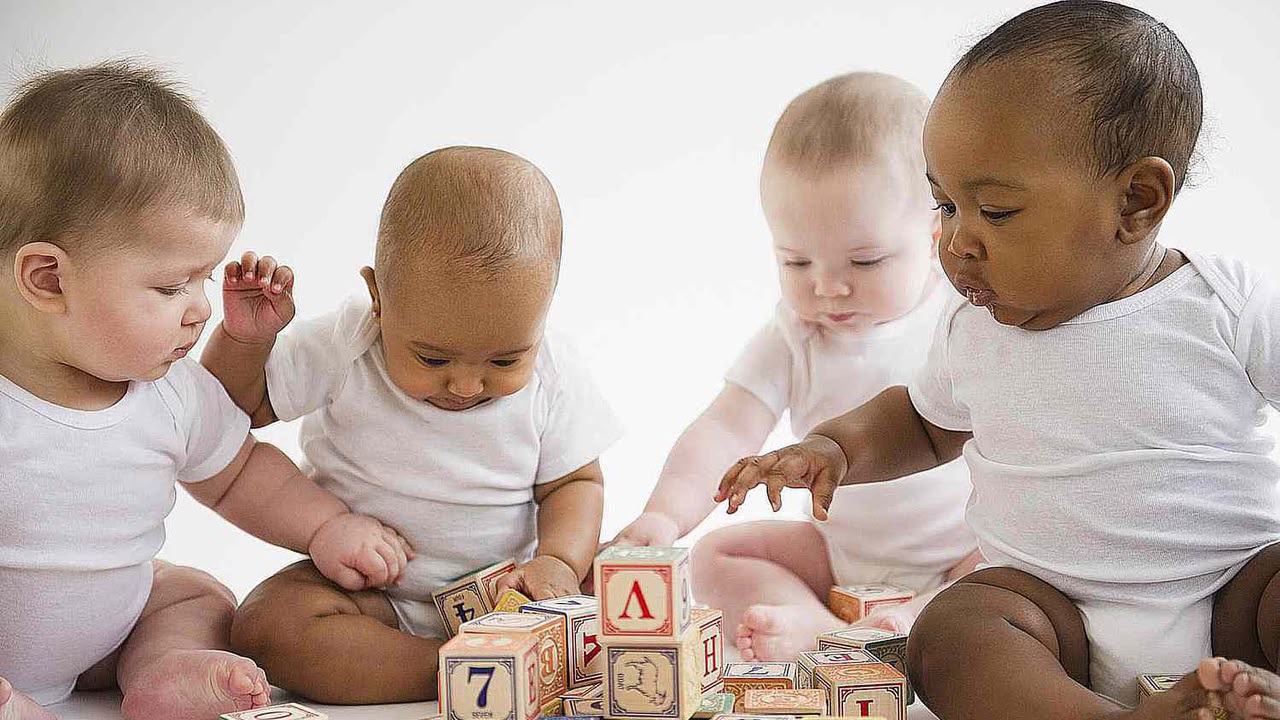
(Courtesy Pic)