


BY SIBUSISEKILE NDLANGAMANDLA
MANZINI – Justice stakeholders are strengthening collaboration in the handling of juvenile cases to ensure that children who come into conflict with the law receive appropriate and proportional responses while being supported to avoid future offending.
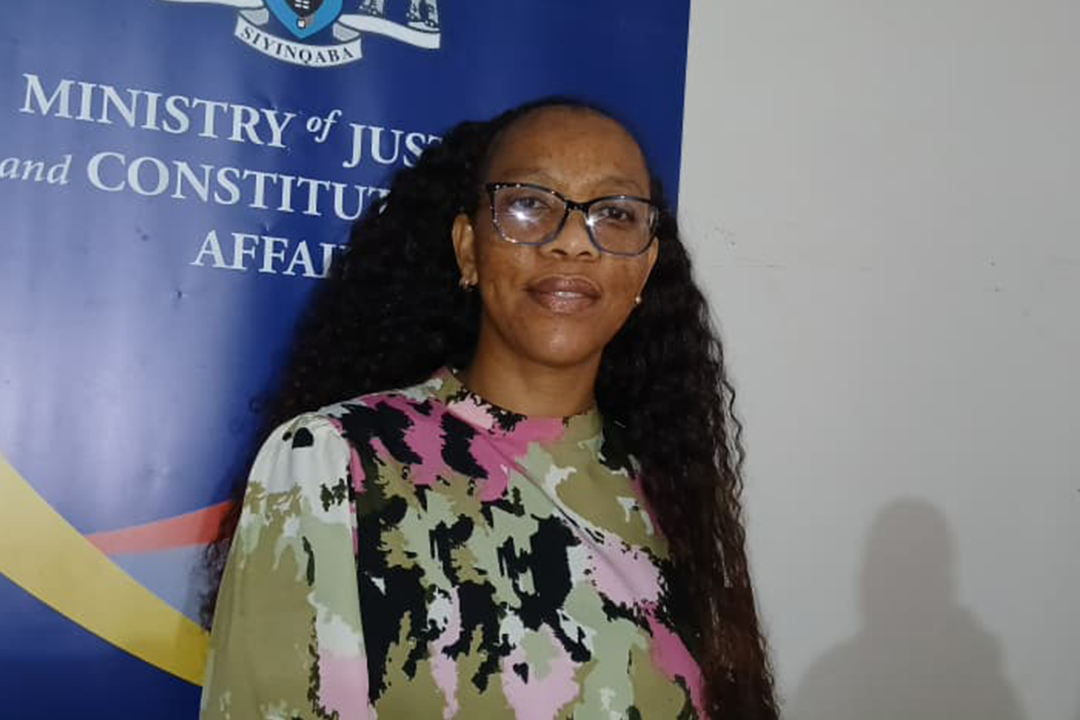
Principal Crown Counsel Futhi Gamedze said the ongoing stakeholder meetings were aimed at examining how juvenile cases are handled in courts, including how children who break the law are sentenced.
Gamedze said the approach is important because children were still developing and needed to be protected from becoming involved in more serious crimes as they grew older. She said punishment should be appropriate for the child at the time and proportional to the offence committed, while also ensuring that children understand that breaking the law has consequences.
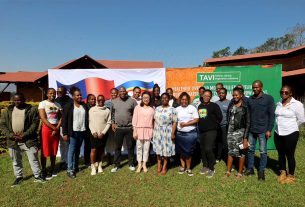
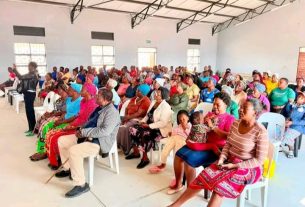
The stakeholder engagements have included social workers and other partners involved in addressing issues affecting children who come into conflict with the law. The meetings have so far been held in two regions, including Hhohho, with the third engagement scheduled to take place in Nhlangano during the third week of the programme.

She said the engagements were intended to ensure that different departments and partners worked together rather than addressing juvenile justice issues separately. Stronger collaboration was necessary to ensure that one department did not advance while another was left behind in responding to challenges affecting children.
The need for coordinated intervention has also been highlighted by concerns over children becoming involved in gangs. Gamedze said she could not provide exact figures on the number of children appearing in court for offences, but confirmed that children were entering the courts due to conflict with the law.
She said the numbers were a concern, particularly following observations around the introduction of various gang groups and the involvement of children in such groups. Gamedze said the law would have to take its course where children were found to have broken the law, while the broader response should also seek to address the factors that could influence children to offend.
The stakeholder meetings therefore seek to examine juvenile cases beyond the immediate offence, with emphasis on ensuring that interventions at an early stage can help prevent children from progressing to more serious offending.
The continued meetings are expected to provide an opportunity for stakeholders to assess current practices and identify areas requiring stronger collaboration as they work towards improving the handling of children in conflict with the law.
#JuvenileJustice #ChildProtection #EswatiniJustice #YouthDevelopment #EswatiniPositiveNews #ChildRights #CommunitySafety #Justice