



BY SIPHOSETHU MABUZA
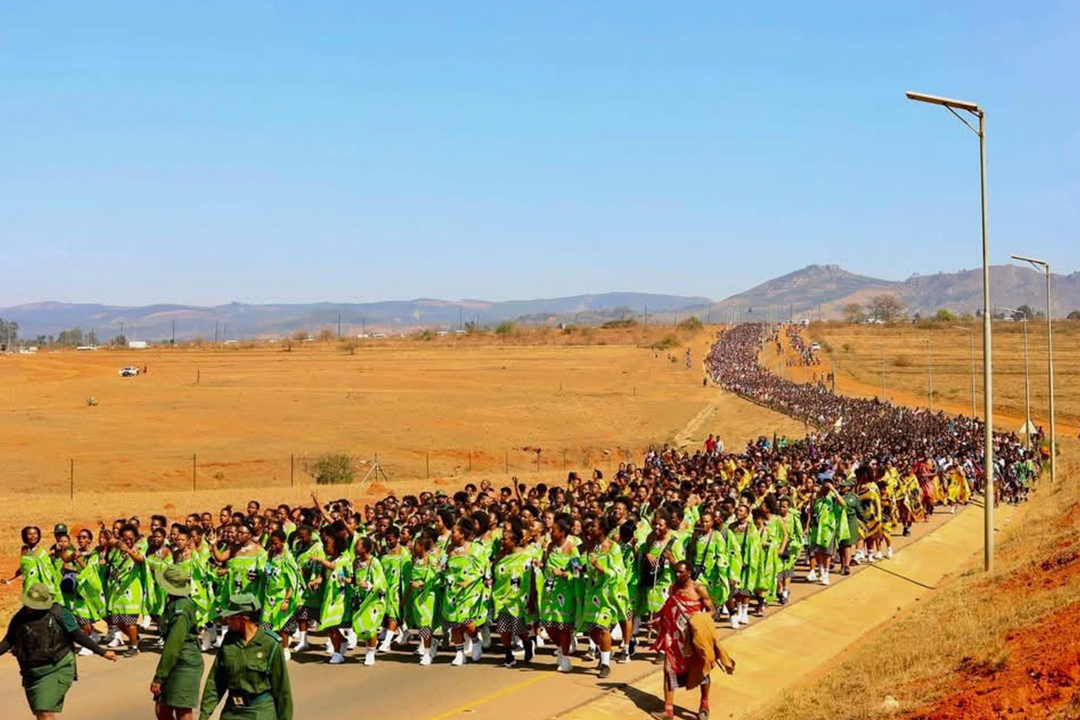
MANZINI- As Eswatini prepares for Umhlanga 2026, thousands of maidens from across the country are getting ready to take part in one of the Kingdom’s most significant cultural ceremonies. While the annual Reed Dance is widely recognised for its colourful displays of traditional attire, song and dance, its deeper significance lies in preserving Eswatini’s cultural heritage and passing it on to future generations.
Culture forms an important part of a nation’s identity, connecting people to their history, values and traditions. Through Umhlanga, young women are introduced to customs that have been practised for generations, ensuring that cultural knowledge is not lost with time.
The ceremony brings together maidens from different communities, who gather under the guidance of tindvuna and other cultural leaders. During this period, participants learn about discipline, respect, unity and the importance of preserving Eswatini’s customs. These lessons extend beyond the ceremony itself and become values that many carry into their daily lives.

One of the defining moments of Umhlanga is the cutting and presenting of reeds. The reeds are traditionally gathered and presented as a symbol of service, respect and unity. The activity encourages teamwork, cooperation and a shared sense of responsibility among participants, reinforcing the importance of working together for the benefit of the nation.

For many young participants, Umhlanga also strengthens their sense of identity. In an increasingly globalised world, where young people are exposed to different cultures and lifestyles through technology and social media, cultural ceremonies provide an opportunity to reconnect with their roots and appreciate the traditions that define Eswatini.
Beyond preserving traditions, Umhlanga creates an opportunity for different generations to interact. Elders pass on knowledge, customs and cultural practices to younger people, helping ensure that Eswatini’s heritage continues to thrive. This exchange of knowledge is essential in keeping cultural practices relevant while maintaining their original meaning.
The ceremony also showcases Eswatini’s rich cultural heritage to visitors from within the country and abroad. Each year, Umhlanga attracts tourists, researchers and cultural enthusiasts who come to witness one of Africa’s most celebrated traditional ceremonies. This not only promotes cultural understanding but also contributes to the country’s tourism sector and local economy.
While society continues to evolve, Umhlanga remains a reminder that development and tradition can exist side by side. Many young Emaswati proudly embrace modern education, careers and technology while continuing to value and participate in cultural practices that have shaped the nation’s identity.
As preparations for Umhlanga 2026 continue, the ceremony stands as more than an annual event. It remains a living symbol of Eswatini’s heritage, preserving traditions, strengthening national identity and ensuring that future generations continue to understand and appreciate the values that have defined the Kingdom for decades.
Ultimately, Umhlanga demonstrates that culture is not only about remembering the past. It is about passing knowledge from one generation to the next, fostering unity and ensuring that Eswatini’s unique heritage continues to flourish in the years ahead.
#Umhlanga2026 #EswatiniCulture #CulturalHeritage #ReedDance #Eswatini #PreservingCulture #YouthAndCulture #Tradition #Heritage #ProudlySwati
(Courtesy Pic)