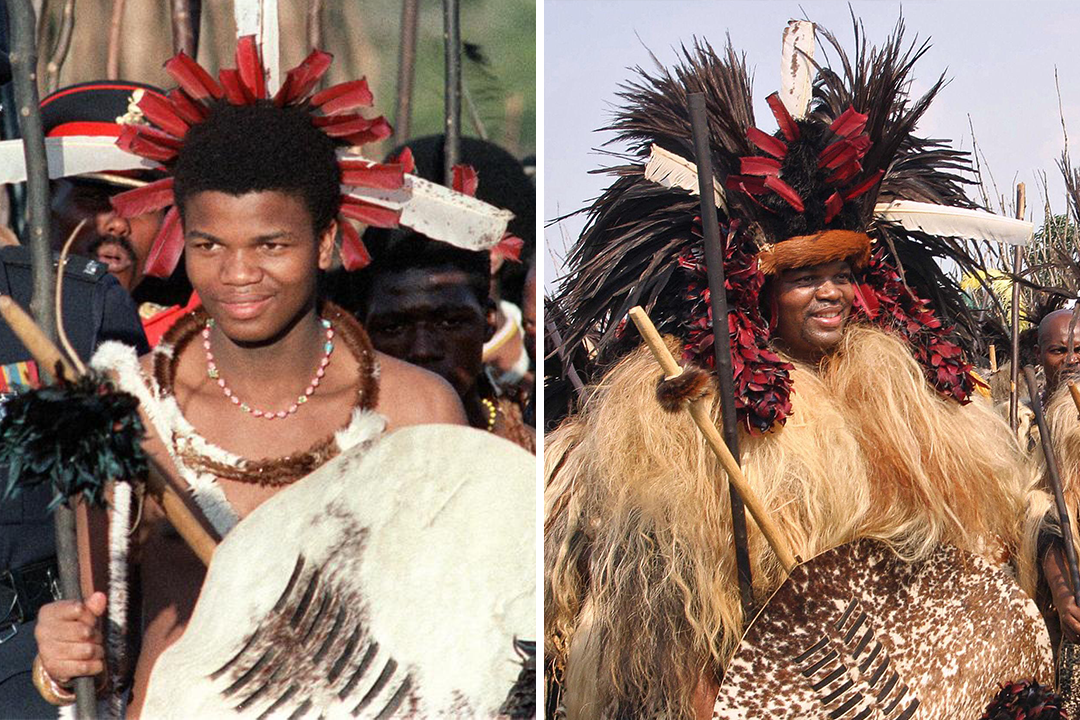

- A Journey from Independence to the Ruby Jubilee
BY MBONGENI NDLELA
MBABANE – The modern story of Eswatini begins with a defining moment, 6 September 1968.
On this historic day, the Kingdom stepped into independence, reclaiming its sovereignty and shaping its own path forward.
Just months before that milestone, on 19 April 1968, a royal child was born in Manzini.
That child, Prince Makhosetive Dlamini, would grow to become King Mswati III, a leader whose reign would span generations and guide the Kingdom through decades of change.
His life and leadership have become closely interwoven with the nation’s journey, making his story an essential part of understanding Eswatini today.
Growing Up Between Tradition and the World
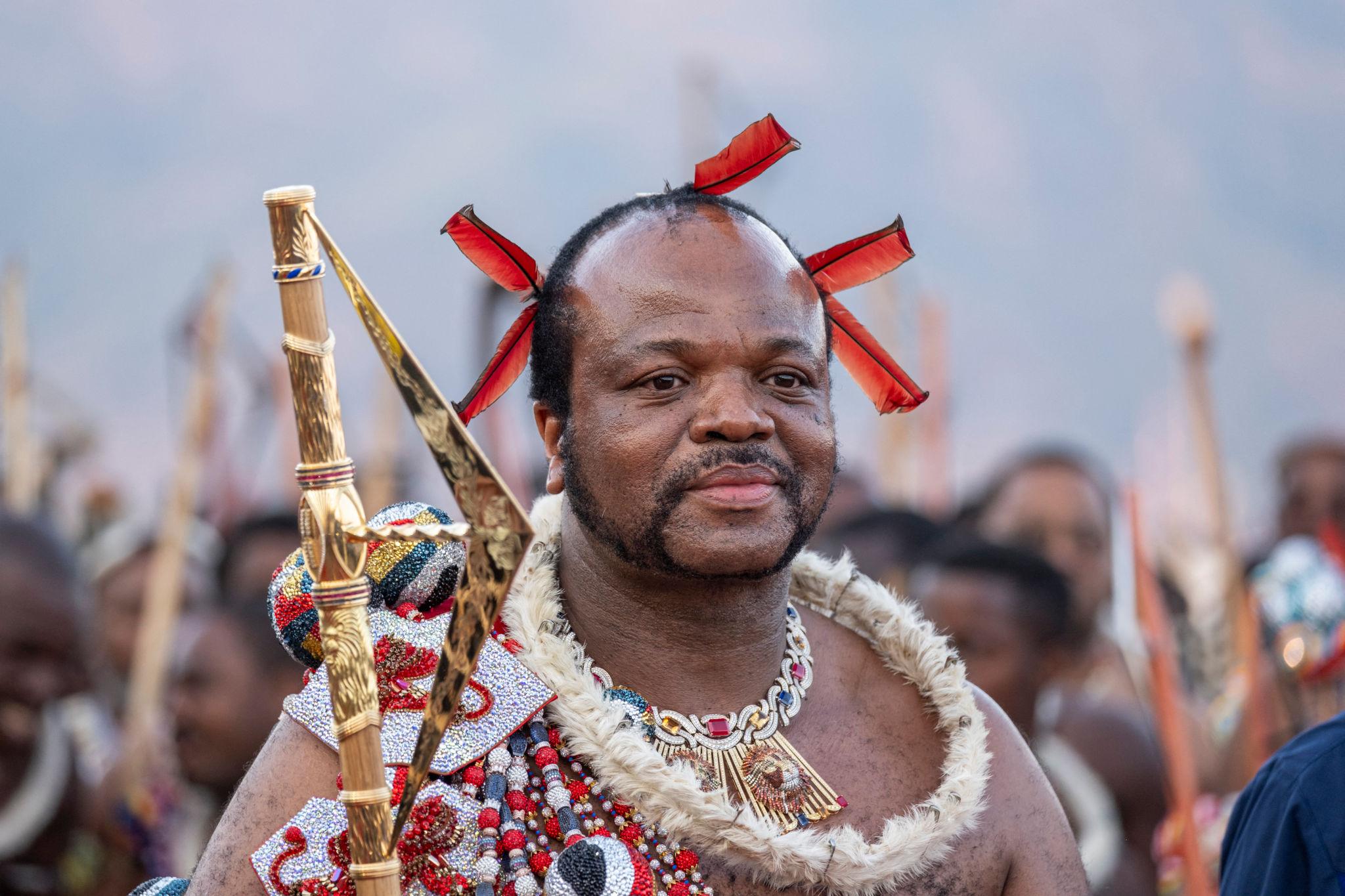
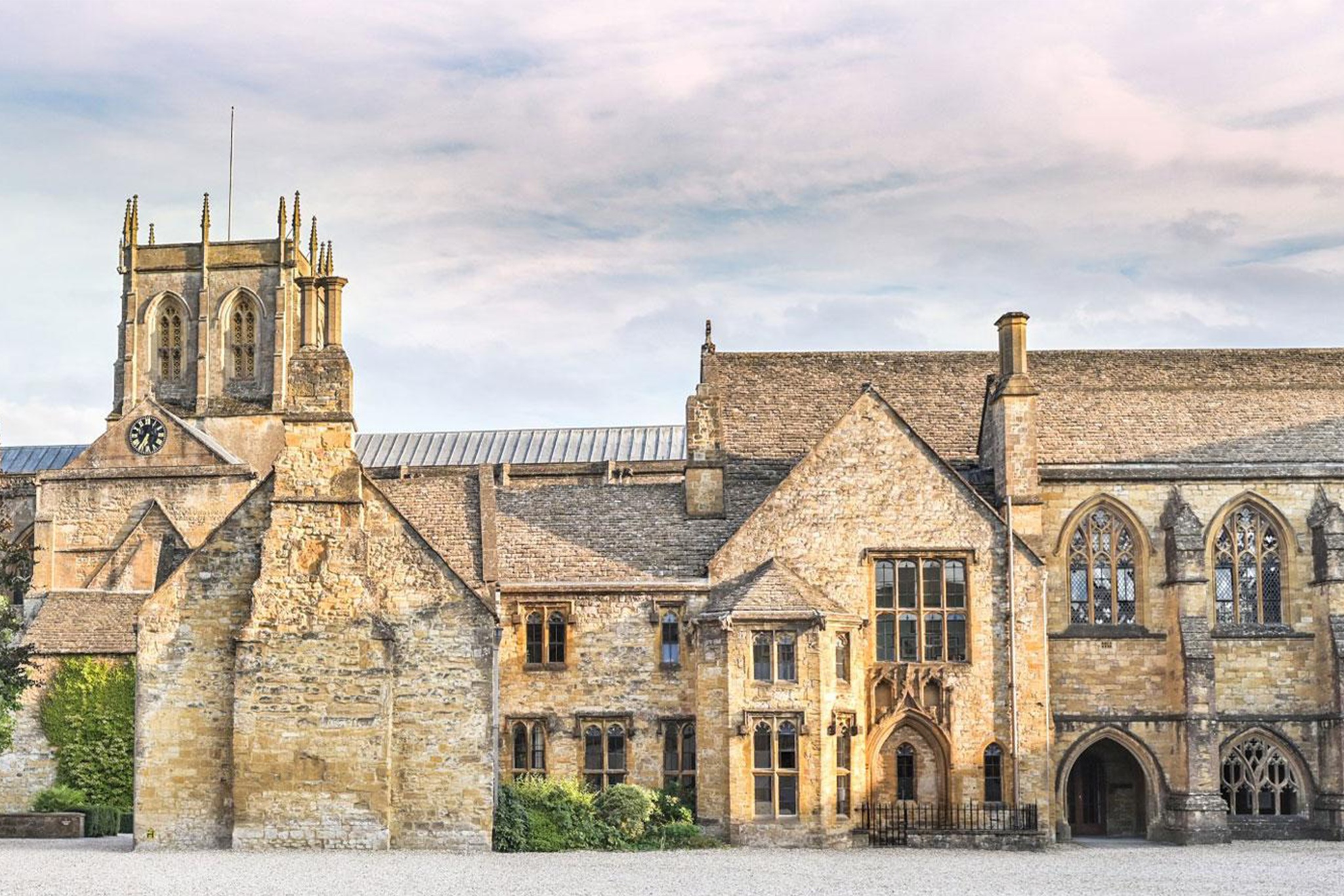
Born into the royal household as the son of King Sobhuza II and Queen Ntombi Tfwala, Prince Makhosetive was raised within a deeply rooted cultural environment. From an early age, he was immersed in the traditions, customs, and responsibilities of the Swazi monarchy.
His upbringing was not limited to the Kingdom alone. He later pursued part of his education at Sherborne School in England. This experience exposed him to international perspectives while strengthening his understanding of leadership in a global context.
This combination, traditional grounding and international exposure, would later shape his approach to leadership, balancing preservation of culture with openness to development.
A Nation in Transition
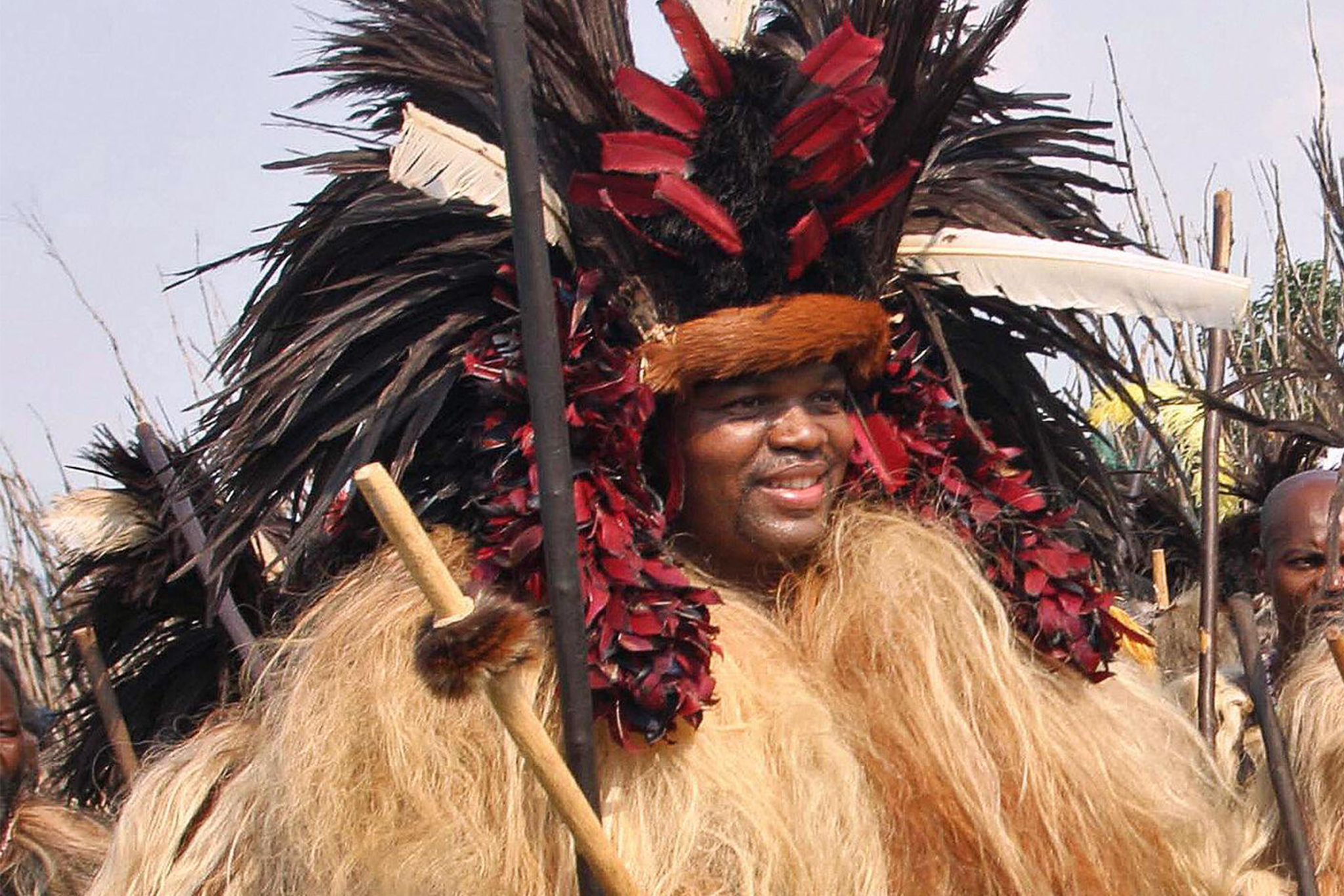
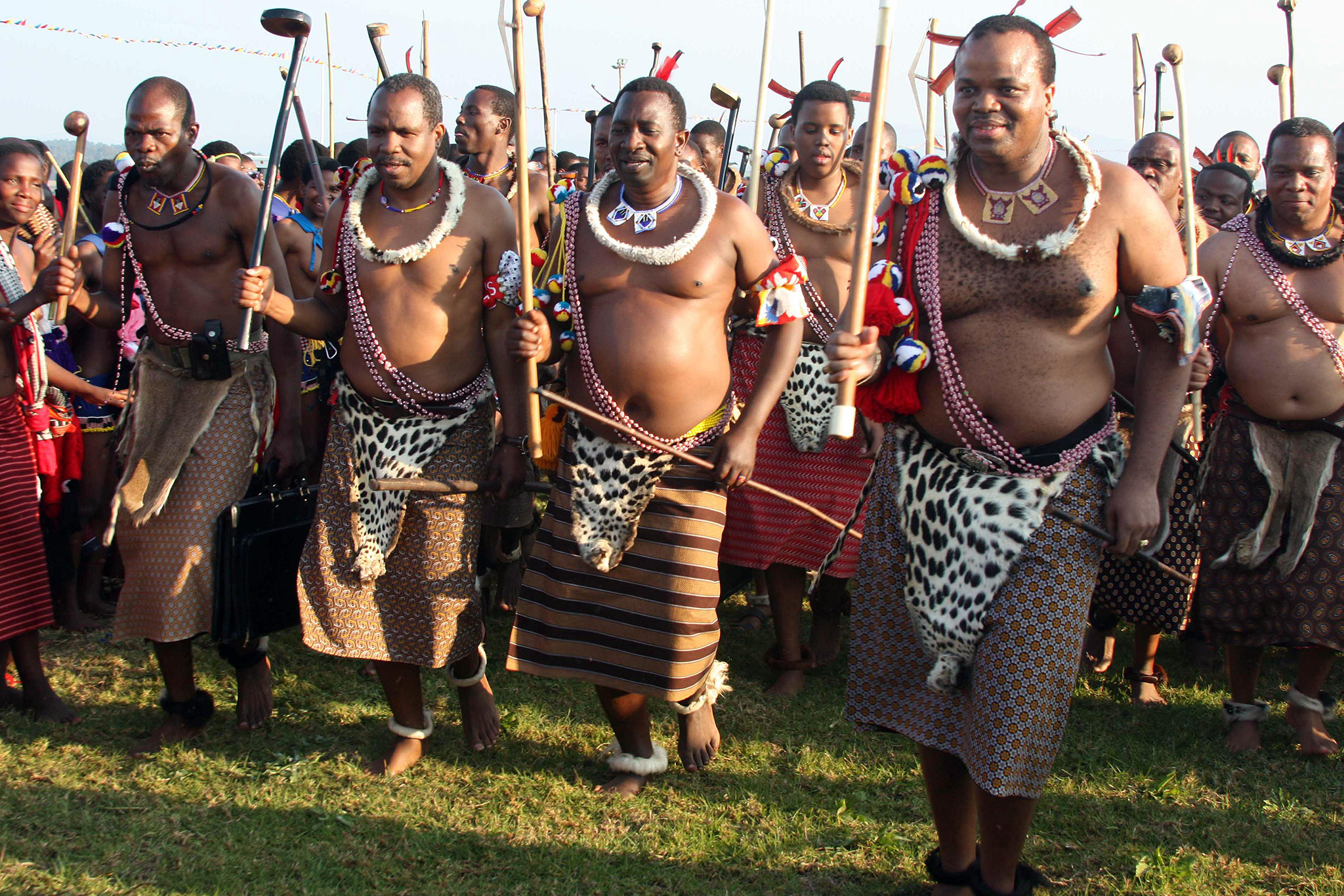
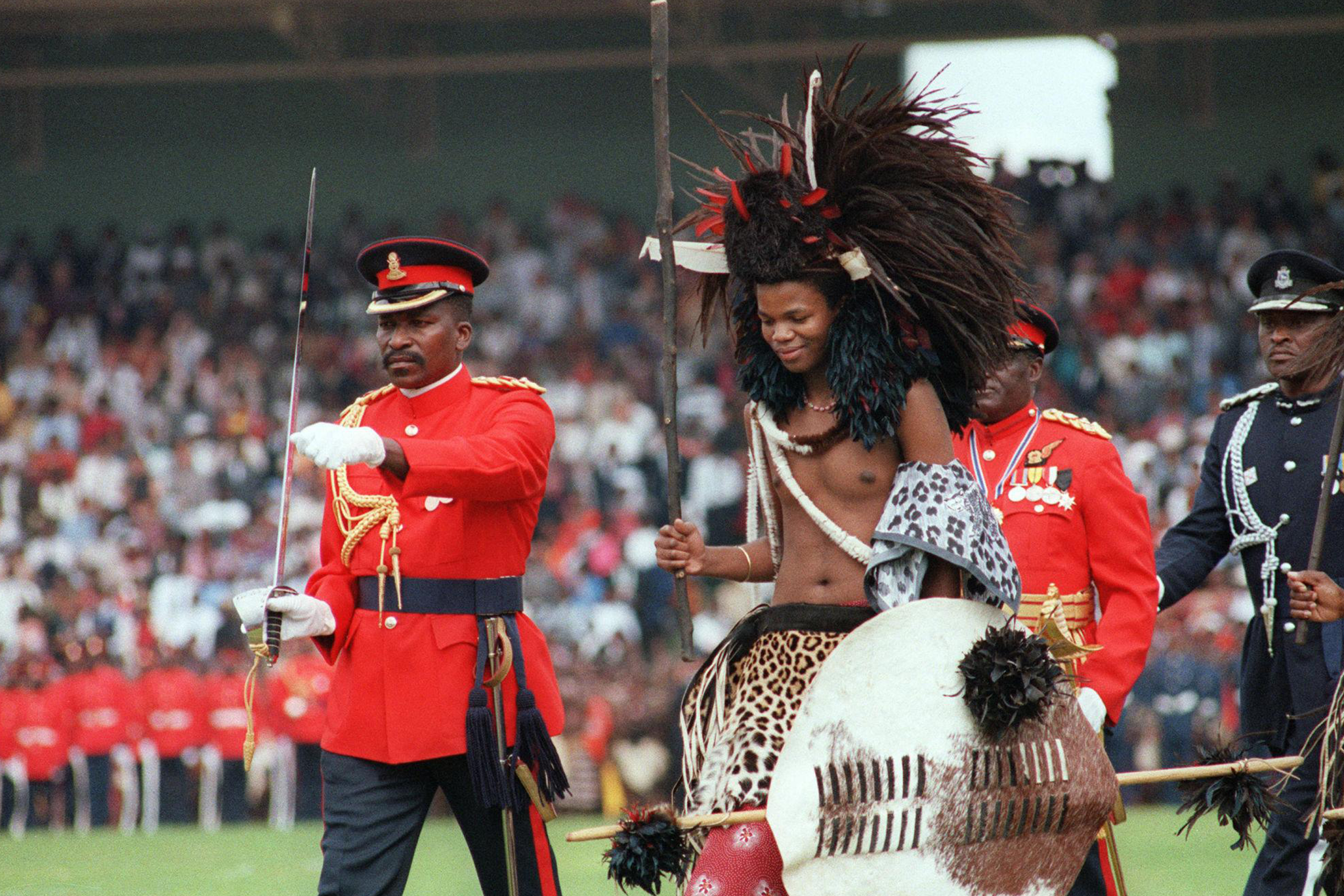
In 1982, Eswatini entered a period of national reflection following the passing of King Sobhuza II, one of Africa’s longest – reigning monarchs.
The Kingdom was placed under regency as preparations were made for the next phase of leadership. During this time, Prince Makhosetive’s role became more visible, and in 1983, he was formally introduced as Crown Prince.
For the nation, this period represented continuity and careful preparation—ensuring that leadership would transition smoothly while maintaining stability and unity.
A Young King Ascends the Throne
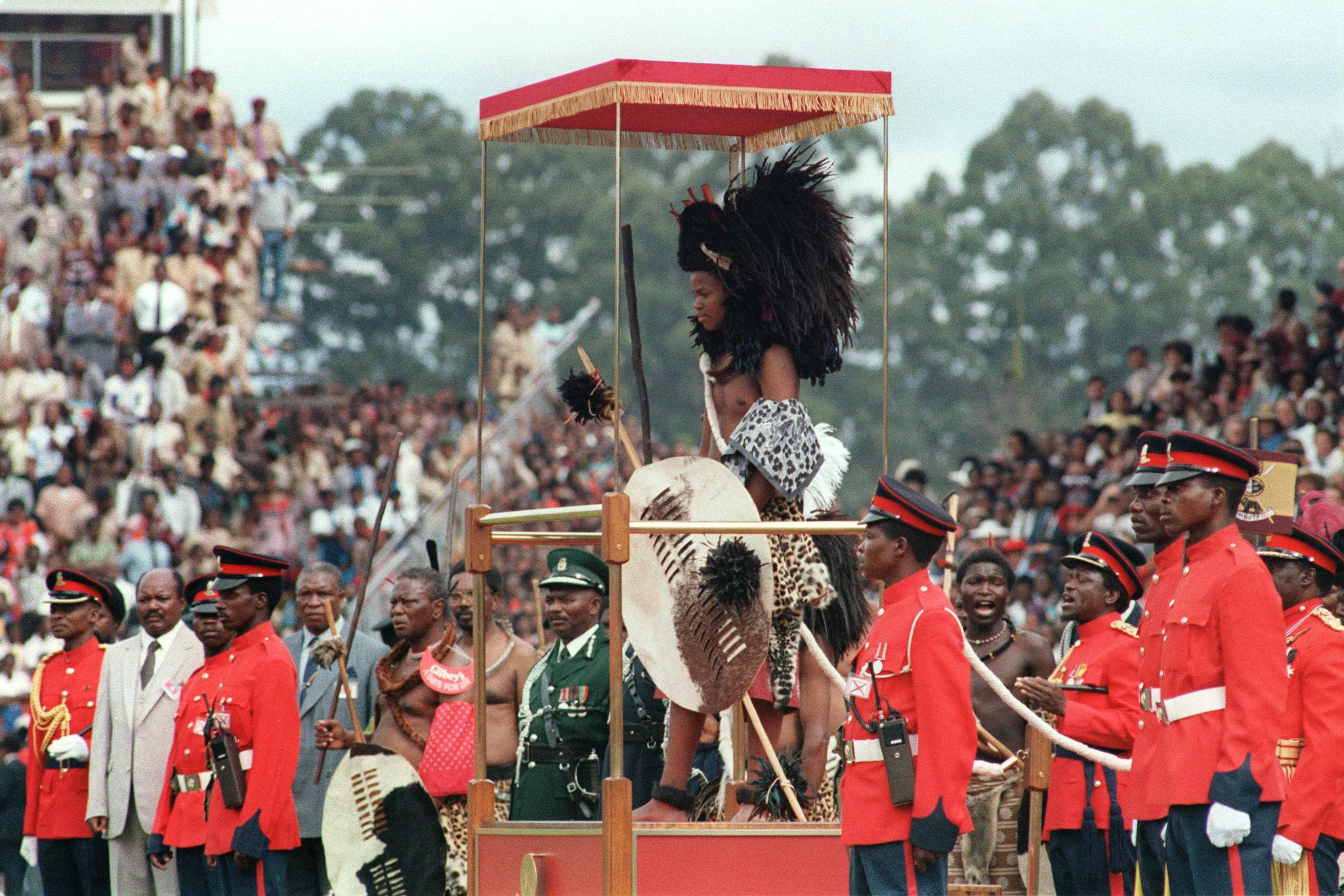
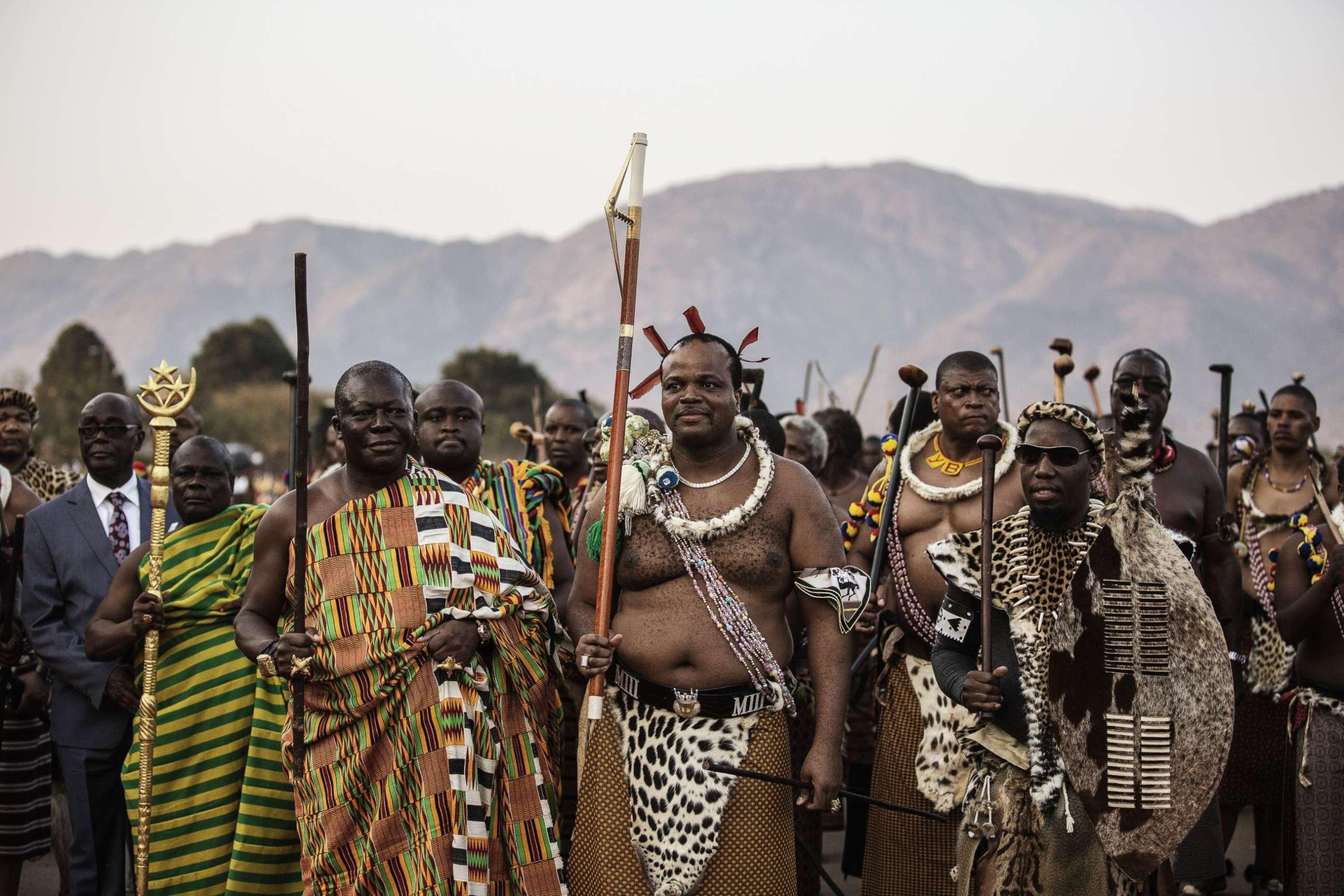
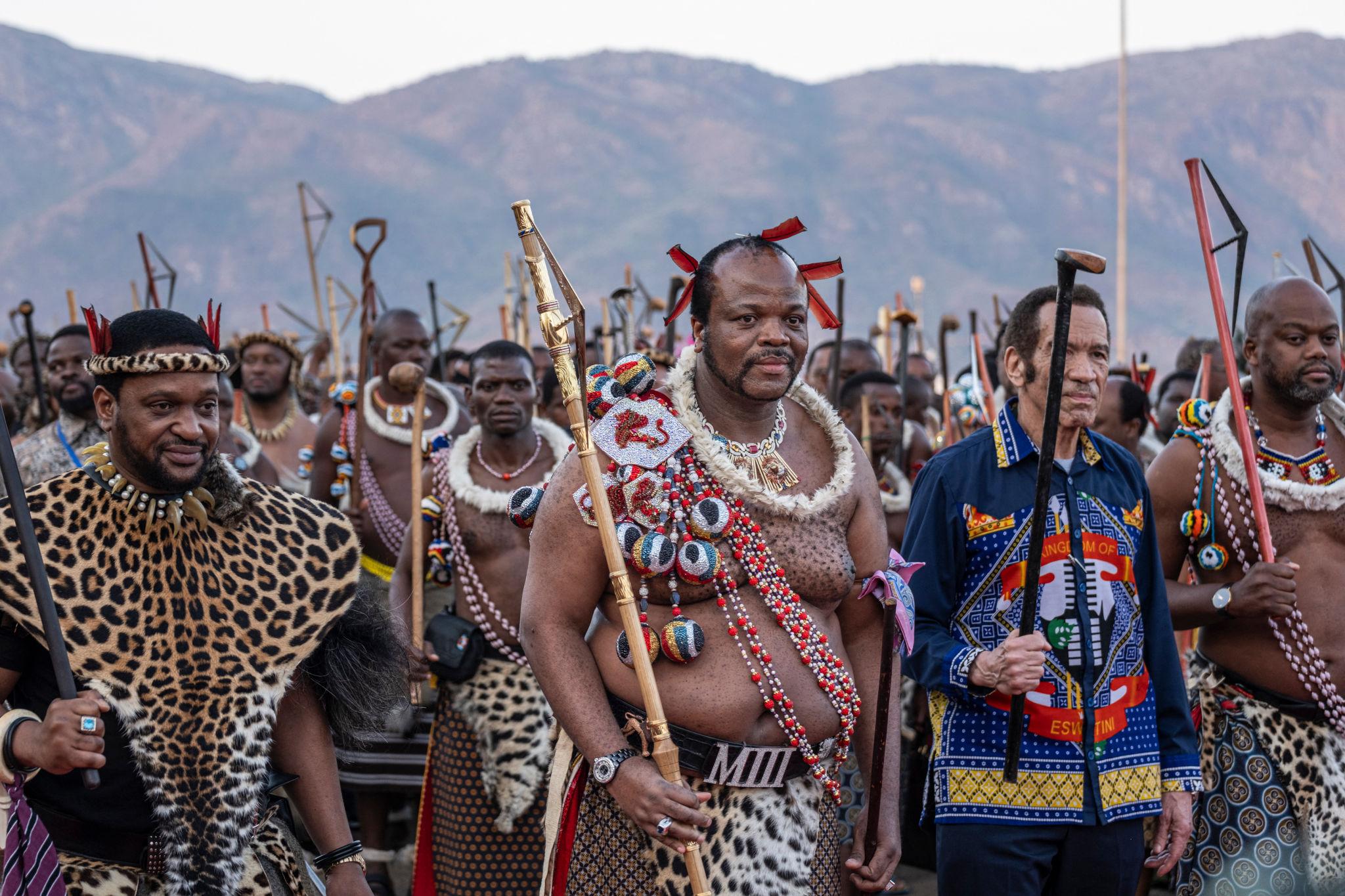
On 25 April 1986, just days after his 18th birthday, King Mswati III was crowned.
At the time, he became the youngest reigning monarch in the world.
The coronation was a moment of profound national significance. It represented not only the continuation of the monarchy but also the beginning of a new era led by a young and energetic King.
For many Emaswati, the occasion symbolized hope, continuity, and confidence in the future.
Guarding Culture, Strengthening Identity
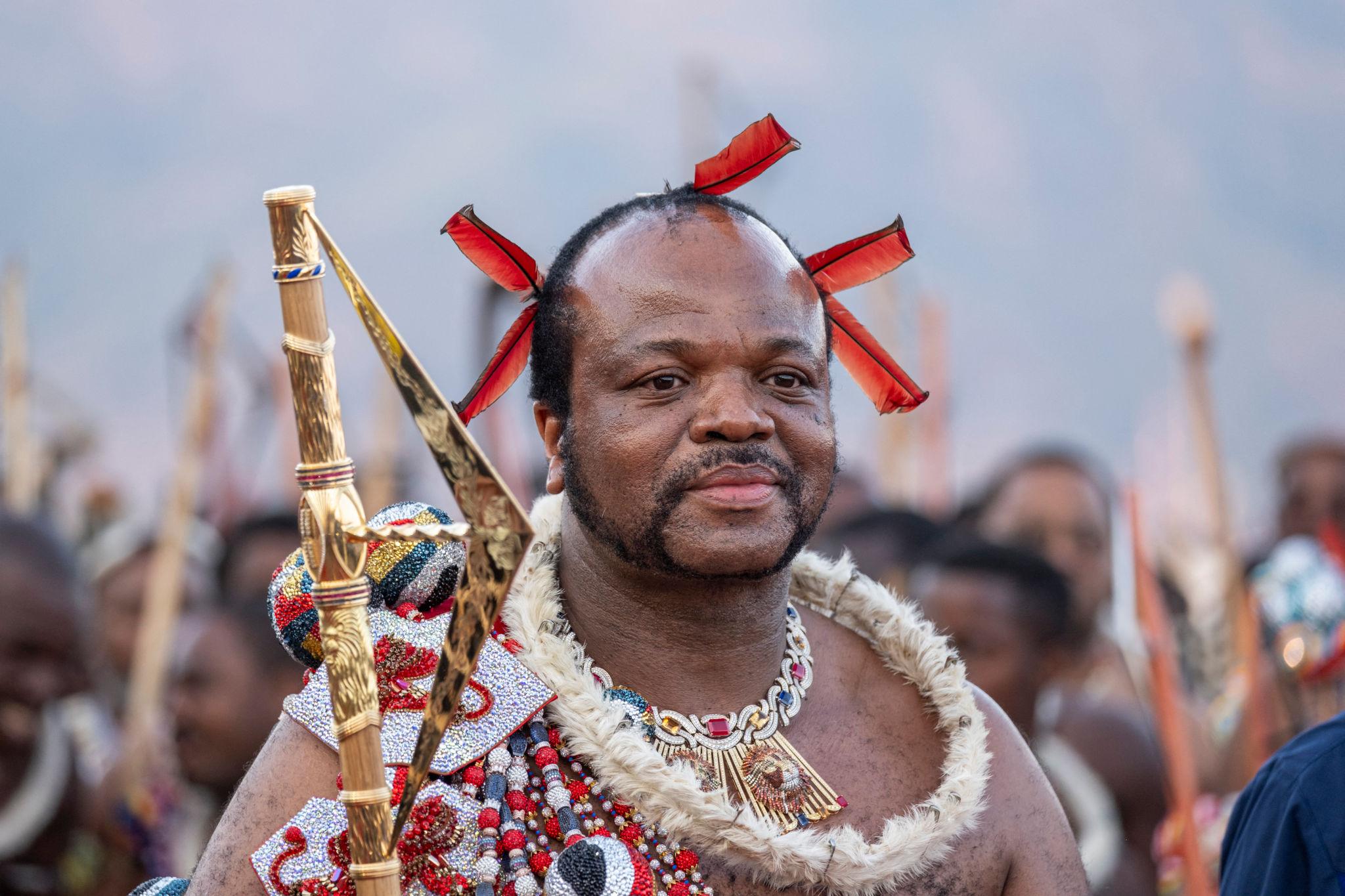
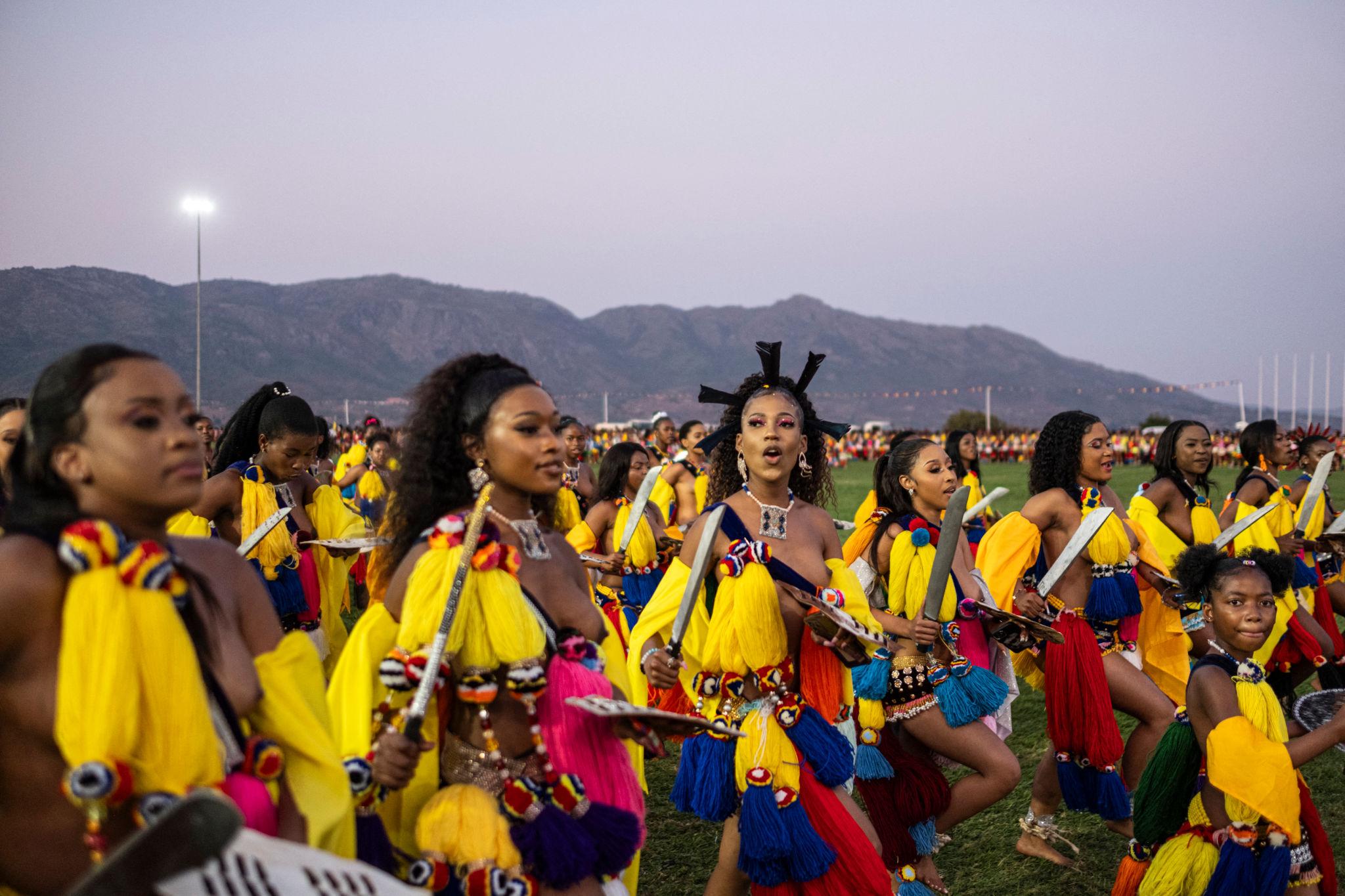
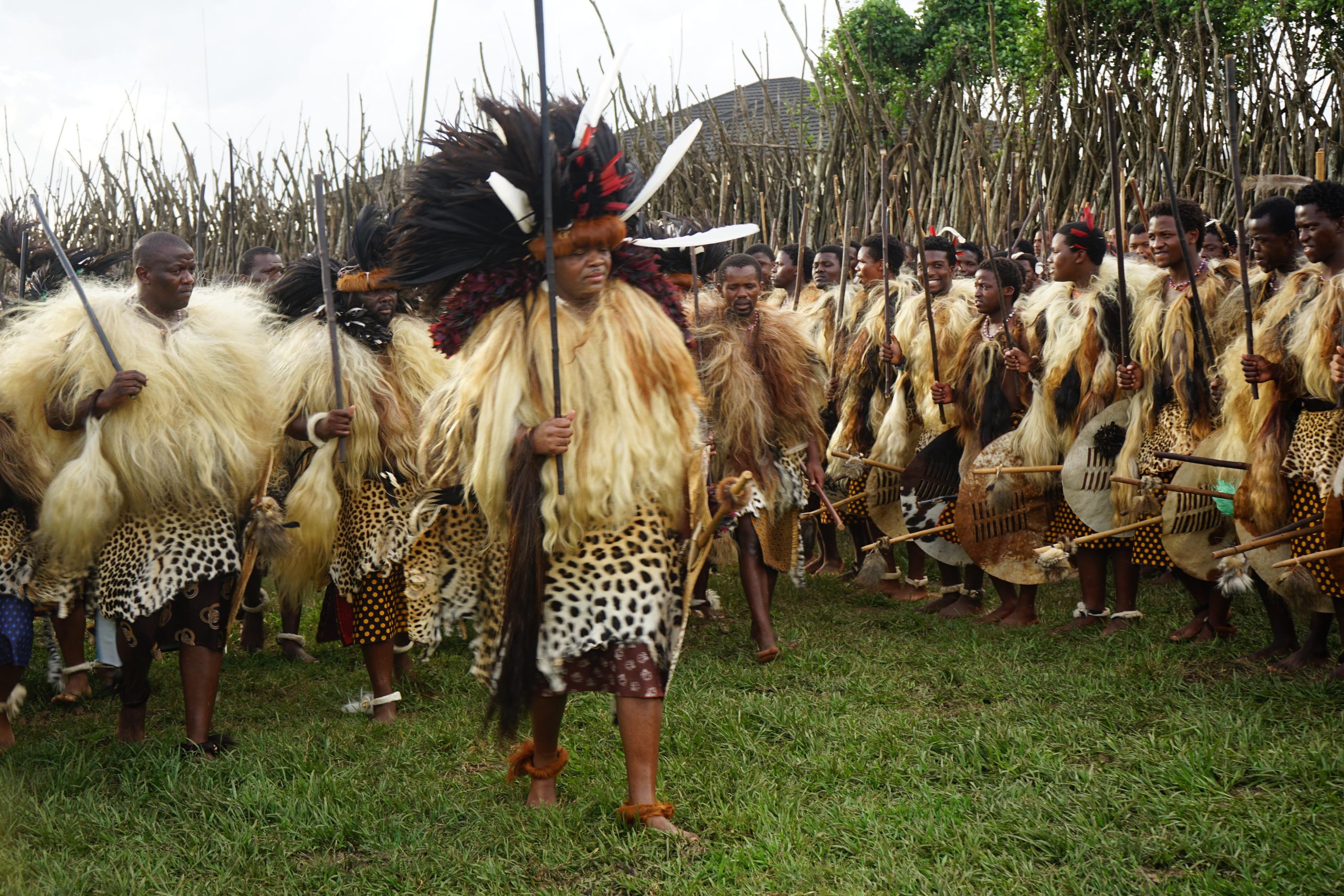
Over the past four decades, King Mswati III has remained deeply committed to preserving Eswatini’s cultural heritage.
National ceremonies such as Umhlanga and Incwala continue to play a central role in the Kingdom’s identity. These events bring together communities from across the country, reinforcing unity and shared values.
For young people, these traditions offer more than celebration—they provide a sense of belonging and continuity. For visitors, they present a unique opportunity to witness a living culture that has remained vibrant through time.
Development and National Transformation
Alongside cultural leadership, the reign of King Mswati III has been marked by steady national development.
In 1992, Mbabane was officially granted city status, marking an important step in urban growth. Over the years, the city has expanded its infrastructure, services, and economic activities.
The Ezulwini Valley has also transformed significantly, evolving into a hub for tourism, business, and international conferences.
These developments reflect a broader national effort to improve living standards and create opportunities across different sectors.
Powering Progress and Connecting Communities
One of the most visible changes over the past four decades has been the expansion of electricity access.
From limited availability in the 1980s, electricity now reaches a significant portion of the population. This progress has improved education, healthcare delivery, and economic activity.
In recent years, digital transformation has added a new dimension to development. The introduction of free Wi-Fi in community centres and the rollout of fibre networks are helping bridge the digital divide and empower young people with access to information and skills.
Reaffirming Identity: The Name Eswatini
In 2018, during celebrations marking 50 years of independence, King Mswati III announced that the country would revert to its original name, Eswatini.
This decision was widely viewed as a reaffirmation of cultural identity and national pride. It emphasized the importance of heritage, language, and self-definition in shaping the country’s future.
The Ruby Jubilee: 40 Years on the Throne
In 2026, Eswatini marks a significant milestone—40 years of King Mswati III on the throne.
The Ruby Jubilee represents more than the passage of time. It is a moment to reflect on decades of leadership, cultural preservation, and national development.
For many citizens, it is a celebration of continuity and progress. For the younger generation, it highlights the opportunities that have emerged over time in education, technology, and economic participation.
Looking Ahead: A future Built on Strong Foundations
As Eswatini continues to move forward, the legacy of King Mswati III remains a guiding force.
His journey, from a prince born in the year of independence to a monarch marking four decades of leadership, reflects a nation that values its traditions while embracing progress.
For young people and visitors alike, this story offers an important message: that identity, unity, and development can move forward together.
Eswatini’s future continues to be built on these foundations—strong, proud, and full of promise.