


BY GCWALISILE MHLABANE
MANZINI – The countdown is on!

With just 10 days to go before the 2026 Umhlanga Reed Dance, excitement is building across Eswatini as the Kingdom prepares to once again come alive in a spectacular celebration of culture, tradition, song and dance. The question is simple: Are you ready for Umhlanga 2026?
The annual celebration will take place from August 25 to August 31, 2026, with maidens arriving and registering from August 25 before the festivities build towards the grand public ceremony and main dancing day on Monday, August 31, at the Ludzidzini Royal Residence in Lobamba.
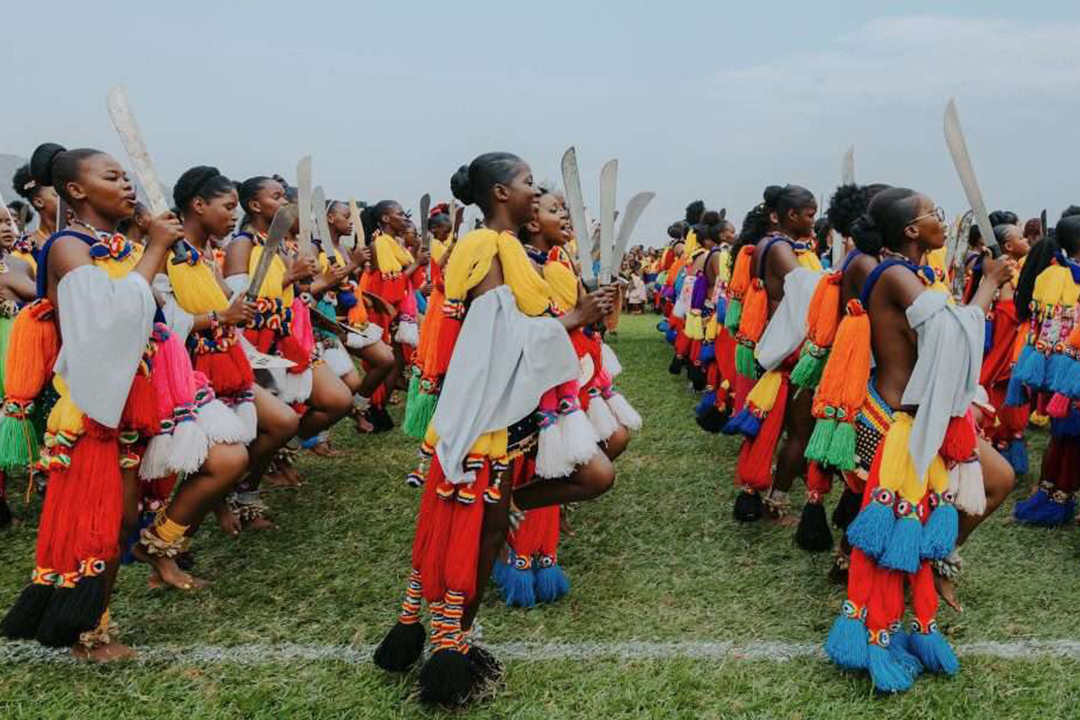
As the country counts down to the much-anticipated celebration, attention is already turning to the Imbali Regiment and the colourful traditional attire that has become one of the defining features of Umhlanga.

But have you ever wondered what each garment and ornament represents?
The attire is far more than a colourful display. Each element contributes to the identity, presentation and cultural expression of the maidens, reflecting the importance of tradition and heritage.
At the heart of the traditional attire is the indlamu, a short, brightly coloured skirt adorned with intricate, hand-woven beadwork. Its vibrant colours capture the youthful energy of the maidens while showcasing the creativity and craftsmanship of traditional bead artisans.
The emahiya add another striking layer to the attire. These colourful traditional sashes are worn across the body and may feature distinctive patterns, Eswatini’s national colours and designs celebrating the Royal Family. Together, they create a powerful visual expression of Swati identity.
Then comes the ligcebesha, a broad, intricately beaded necklace worn across the chest. Its detailed beadwork adds elegance to the traditional presentation while highlighting the enduring importance of traditional craftsmanship.
The maidens may also wear umcwasho, colourful wool tassels attached to their hair or necklaces. Beyond their decorative role, the colours can help distinguish different age categories and peer groups within the Imbali Regiment.
And when the dancing begins, the attire becomes part of the rhythm.
The umgaco, among the traditional ornaments worn by the maidens, adds to the beauty and distinctive character of the attire as they move, sing and dance during the celebration.
But these are only some of the elements that make the Imbali Regiment’s appearance so striking. Many more traditional ornaments, garments and cultural details come together to create the colourful spectacle associated with Umhlanga.
Beyond the colours, beadwork and dancing lies the deeper meaning of the Reed Dance.
Umhlanga remains an important platform for celebrating Eswatini’s cultural identity and preserving traditions for future generations. It brings communities together and provides young EmaSwati with an opportunity to participate in and showcase their heritage.
The 2026 celebration will begin with the arrival and registration of maidens on August 25, setting the stage for days of cultural activities before reaching its climax on August 31.
With only 10 days remaining, anticipation is rising.
Soon, the colours will fill Ludzidzini. The songs will echo across the royal grounds. The rhythmic sounds of dancing will take over. The Imbali Regiment will once again take centre stage.
And as Eswatini prepares to celebrate its heritage in grand style, one question remains:
Are you ready for Umhlanga 2026?
Kwasa Mbali YeMaswati — the countdown continues!
#Umhlanga2026 #UmhlangaReedDance #Kwasambali #Eswatini #SwatiCulture #SwatiHeritage #ImbaliRegiment #Ludzidzini #EswatiniCulture #CulturalHeritage #UmhlangaCountdown