



BY TANDZILE DLAMINI
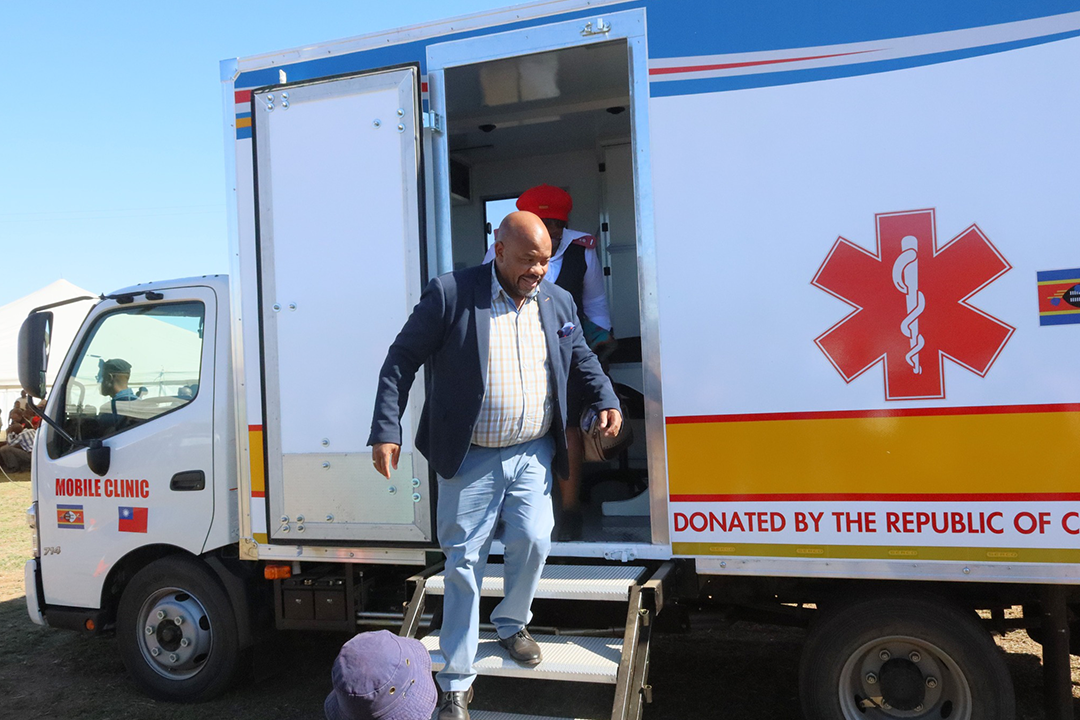
MBABANE— Government has delivered an ambulance and a mobile clinic to Lubulini Inkhundla, targeting long-standing gaps in emergency response and access to healthcare in the remote constituency.
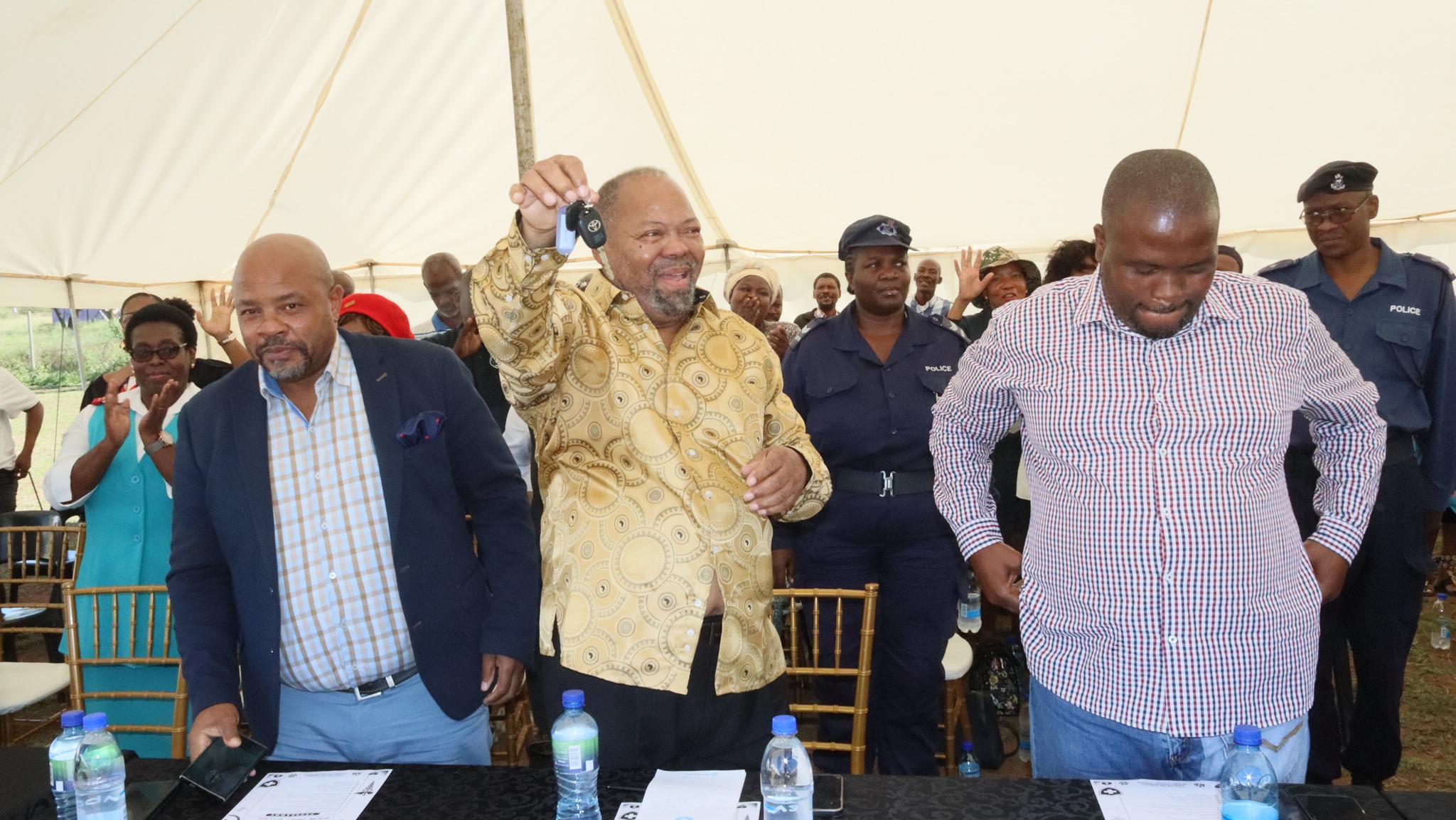
The equipment was handed over on 2 May 2026 by Minister of Health Mduduzi Matsebula to Lubulini Member of Parliament Dr. Tambo Gina, in a move expected to ease pressure on families who have faced delays in reaching medical care.
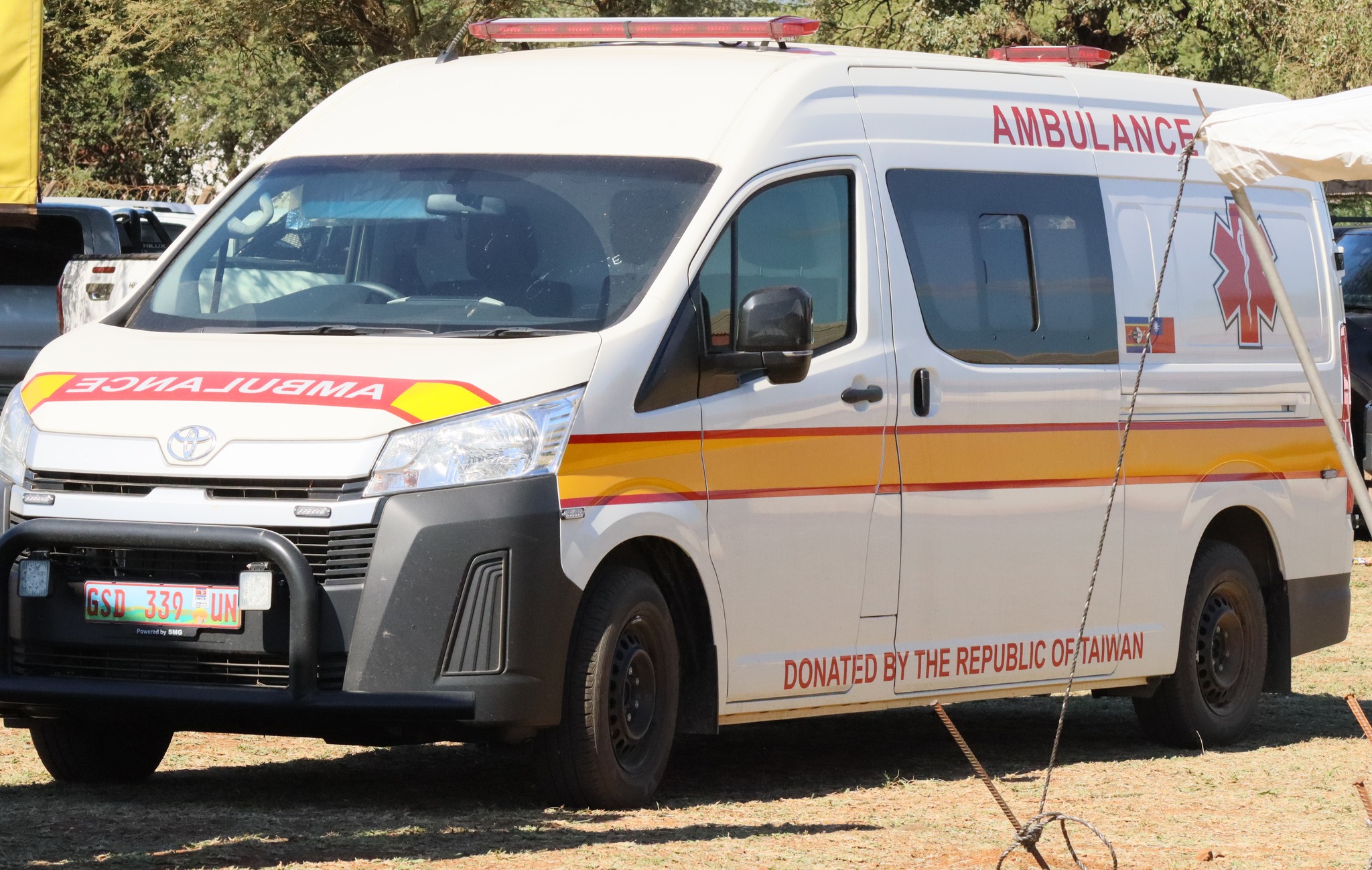
The ambulance will be based at Lubuli Clinic and will cover a wide catchment area, including Ndzevane, Ikhwezi and Boli. The constituency lies in a largely rural terrain where poor road access and long distances have often delayed emergency referrals, leaving patients at risk during critical moments.
Matsebula said the intervention addresses a key weakness in rural healthcare delivery. “This goes beyond just transportation, it is a critical lifeline providing essential medical access where hospitals may be hours away,” he said.

He added that strengthening ambulance services is essential in linking rural communities to the broader health system, particularly in hard to reach areas where clinics operate without immediate referral support.
Beyond emergency transport, government also introduced a mobile clinic that will move across communities to provide basic health services, including consultations, screenings and follow ups. The unit is expected to reduce congestion at fixed facilities while extending care to areas that remain underserved.
Matsebula said the rollout of mobile clinics will be expanded, with plans for each region to have its own unit as part of efforts to improve coverage and bring services closer to the people.
Both the ambulance and mobile clinic were secured through support from the Republic of China (Taiwan), under ongoing cooperation aimed at improving public service delivery.
For Lubulini, where access to timely care has often depended on distance and availability of transport, the new additions are expected to cut response times, improve referrals and support clinics that have been operating with limited resources.


