


BY SIBUSISEKILE NDLANGAMANDLA
KWALUSENI– The Ministry of Education and Training has reaffirmed its commitment to strengthening community health education as part of efforts to advance Universal Health Coverage (UHC) in Eswatini.
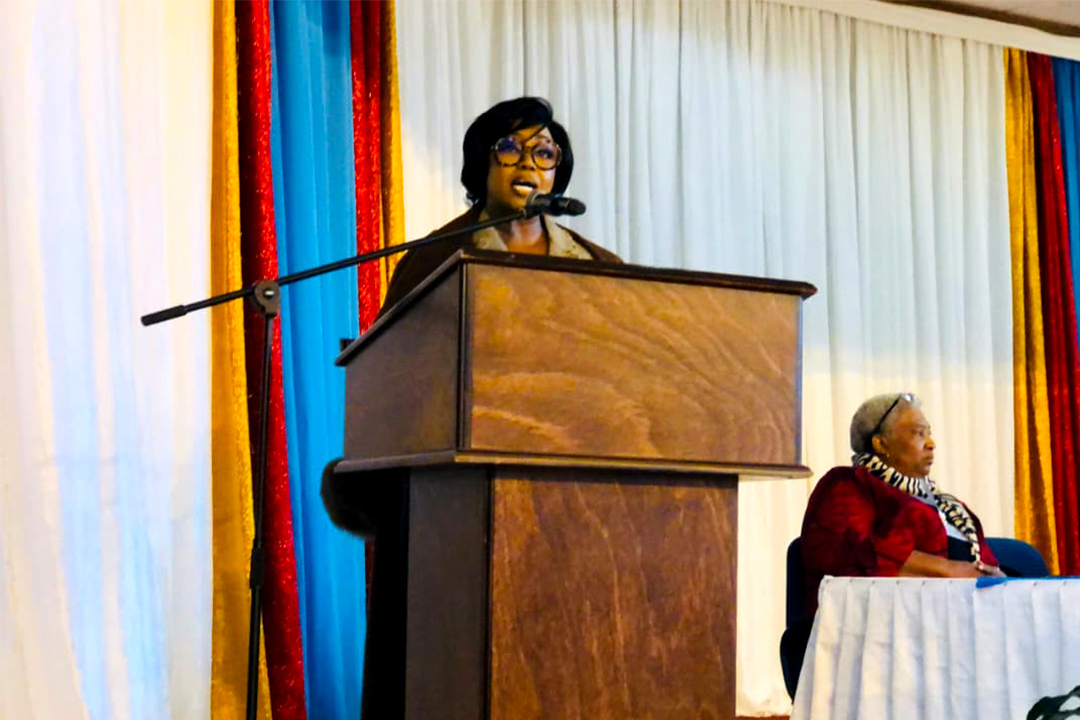
Representing the Minister of Education and Training, Minister of Information, Communications and Technology (ICT) Savannah Maziya said education plays a critical role in building sustainable health systems and ensuring that healthcare becomes accessible to every citizen. Speaking at the Eswatini Community Health Research Conference, she highlighted the importance of integrating community health principles into education and training programmes.
She said healthcare should not be viewed as a privilege for a few, but as a right for all, adding that education provides the foundation for developing communities that are equipped with the knowledge, skills and values needed to promote health equity. Maziya said integrating community health into pre-service training would ensure that nurses, doctors and allied health professionals graduate with a strong understanding of preventive care, health promotion and the social determinants of health.
This approach would help shift the focus from hospital-centred healthcare towards community-based solutions, in line with the country’s goal of achieving UHC. She explained that UHC goes beyond access to hospitals and medicines, as it also requires ensuring that every citizen, regardless of location or income, can enjoy the highest attainable standard of healthcare.

Maziya said education could contribute to this goal by training community health workers who serve as the first line of defence in villages and towns, strengthening health literacy in schools and ensuring that health training curricula emphasise community engagement, cultural sensitivity and equity. She further noted that strengthening community health training could help reduce the burden on tertiary hospitals by promoting preventive care and early intervention.
“A generation of health professionals trained to prioritise community health will reduce the burden on tertiary hospitals, allowing resources to be directed where they are most needed,” she said. She also added that preventive healthcare and early intervention could contribute to reducing chronic and non-communicable diseases while improving health outcomes.
She also emphasised the importance of ensuring that rural and underserved communities receive accessible and culturally appropriate healthcare, saying this would promote equity and inclusion within the health system. The Minister said the Ministry of Education and Training was committed to working with the Ministry of Health and other institutions to embed community health into the country’s education system.
The Minister revealed that a basic training programme in community health care nursing had been approved in 2022 and said she would engage with her counterpart in the health sector to move towards its implementation and further development. Maziya said investing in education would ultimately strengthen the country’s health system by building a generation of professionals capable of responding to the health needs of communities. “By investing in education today, we secure the health of our nation tomorrow,” she said.
#CommunityHealth #UniversalHealthCoverage #HealthResearch #Education #Eswatini