


- Festival attracts over 10 000 people from 35 countries
BY GCWALISILE MHALABANE
MALKERNS – Beyond the music, fashion and food that lit up House On Fire, this year’s Standard Bank Luju Food & Lifestyle Festival delivered another major prize for Eswatini — more than 620 employment opportunities and increased earnings for local small businesses.
The eighth edition of the festival, held from August 1 to 2, 2026, introduced a full two-day format for the first time, turning the annual cultural celebration into an even bigger economic platform for entrepreneurs, workers, artists, designers, chefs and service providers.
According to House On Fire, more than 620 employment opportunities were created across production, hospitality, trading and other services during the festival.
The festival’s 113 small and medium enterprises (SMEs) also recorded a significant boost, generating 17 per cent more in sales than during the 2025 edition.

The figures underline how Luju is increasingly becoming more than an entertainment event, with its growing footprint feeding directly into Eswatini’s creative economy, tourism industry and small-business sector.
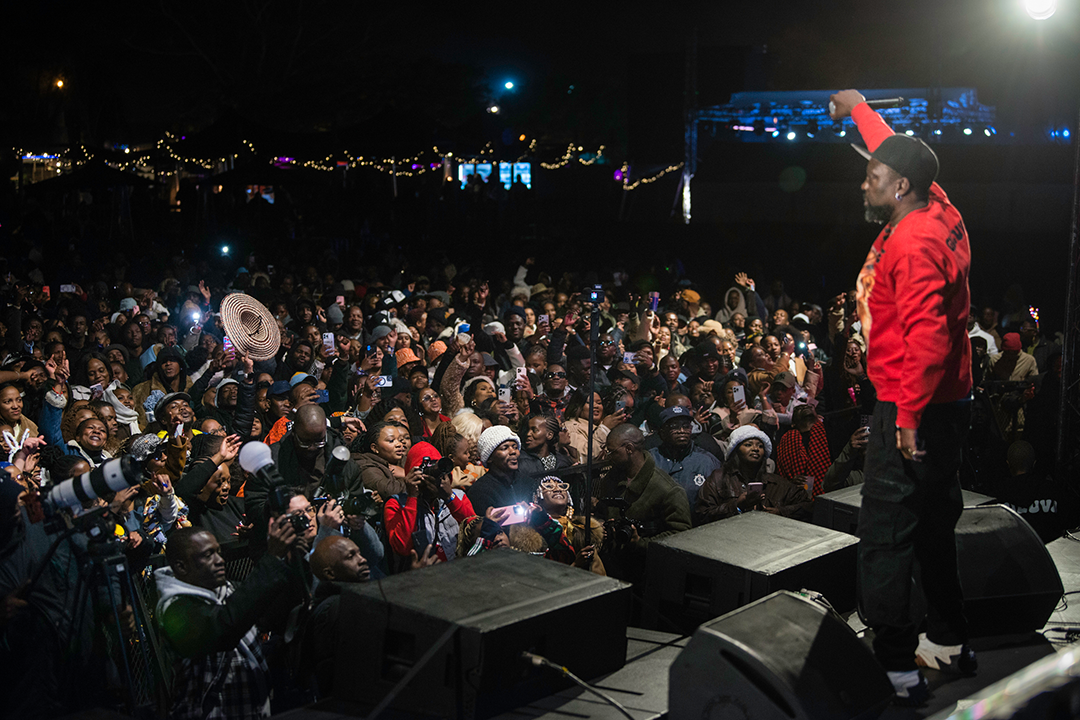
This year’s festival welcomed over 10 000 people from 35 countries, with international representation increasing by 34.6 per cent compared to 2025.
That growth means more visitors travelling into Eswatini, using local accommodation, buying food, purchasing crafts and fashion, hiring transport and spending money with local businesses.
It also strengthens Eswatini’s visibility as a regional destination for cultural tourism.
The festival featured 49 music acts, 15 designer collections and five culinary practitioners, spread across four stages — the Main Stage, Honeycomb Stage, The Buzz and the newly introduced Sibaya Deck.
Two-day festival opens more business opportunities
The introduction of the extended two-day programme was one of the biggest changes to the 2026 festival.
House On Fire and Standard Bank Eswatini said the expanded format helped create more trading opportunities and increased revenue for businesses participating in the festival.
For the 113 SMEs operating within the Luju trading environment, the weekend provided access to thousands of customers gathered in one place.
The economic activity extended beyond businesses trading inside the venue, with the festival also stimulating demand across hospitality, production and services.
Festival Director Jiggs Thorne said Luju’s ambition was to increasingly become a platform that connects creative economies across Africa.
“Luju was always designed to grow beyond Eswatini’s borders,” Thorne said.
He said the festival’s expansion into regional markets, including promotional launches in Johannesburg and Maputo, represented the beginning of a broader vision to create opportunities for SMEs, artists and designers across Southern Africa.
“Our focus is on deepening those regional partnerships across trade, talent and tourism so Luju becomes a launchpad for SMEs, artists and designers across Southern Africa, not only in Eswatini,” he said.
African food takes centre stage
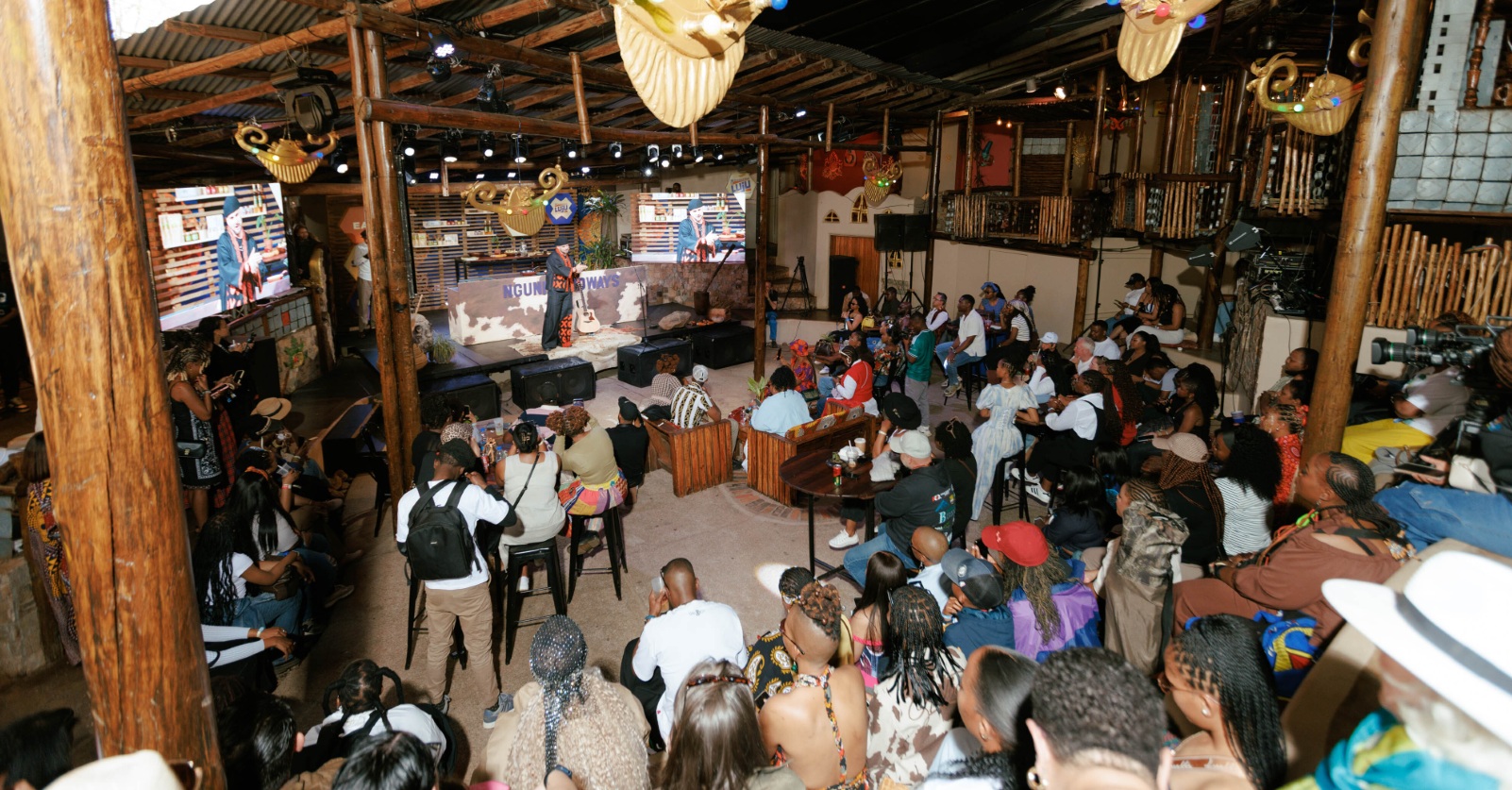
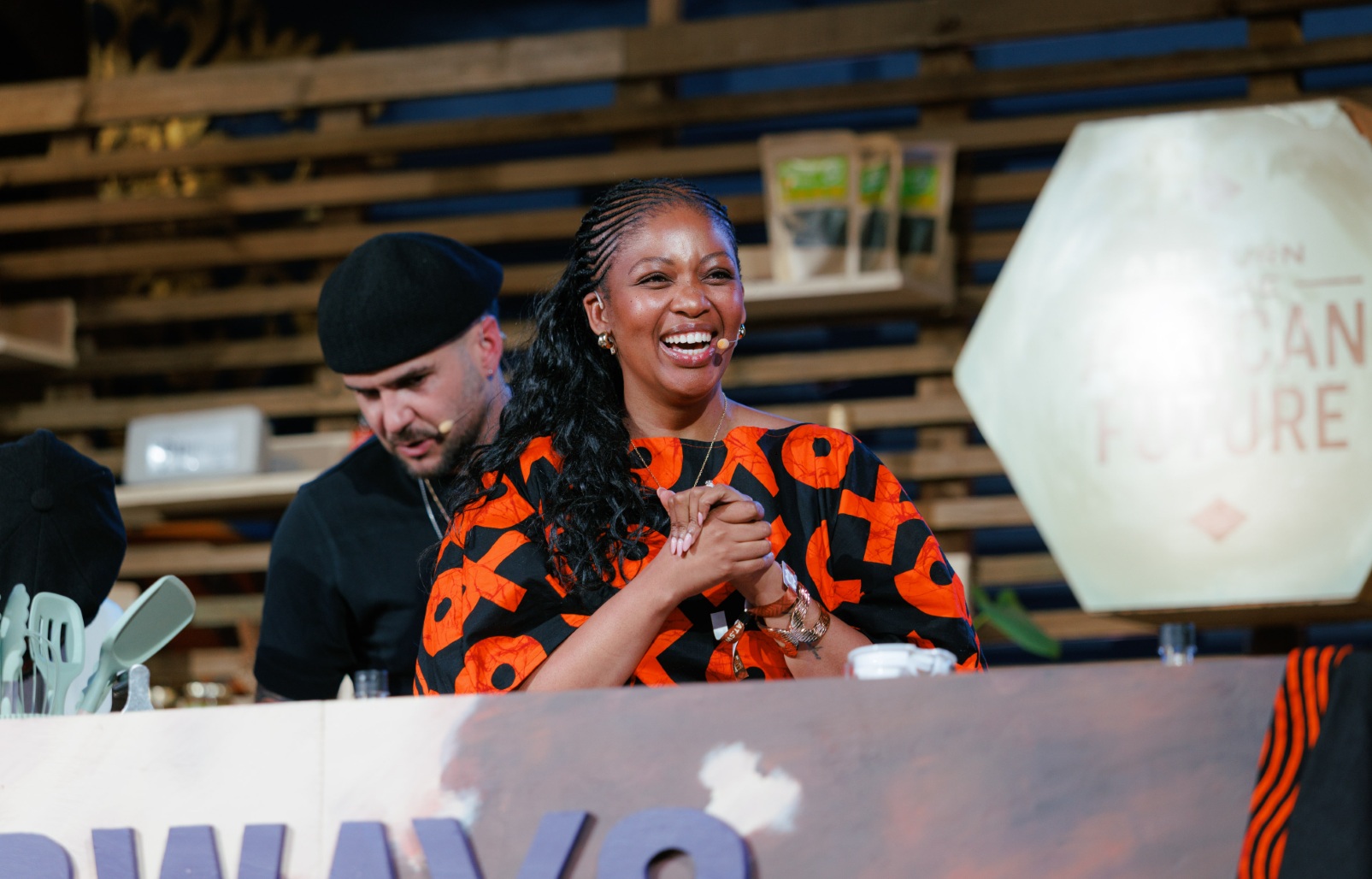
Food remained one of the festival’s biggest attractions, with the 2026 culinary programme presented under the theme Nguni Foodways.
The programme brought together five culinary practitioners from three countries, celebrating Swati, Zulu, Ndebele and Xhosa food traditions.
Through live demonstrations, immersive dining experiences and Culinary Indaba discussions, chefs explored indigenous food systems, food sovereignty and the influence of ancestral knowledge on contemporary African cuisine.
Eswatini was represented by Thobile Makhoyane and Sive Bhembe, while South African chef Mmabatho Molefe, Zimbabwe’s Magriza Made Me Cook, and the Afrogese Sonic Food Experience by Coco & J added to the continental flavour.
Chef Sive Bhembe said platforms such as Luju were helping African chefs rediscover and celebrate traditional cuisine.
He said the festival was creating space for forgotten foodways and indigenous ingredients to be celebrated and reimagined for modern audiences.
11 eswatini designers showcase talent
Fashion was another major pillar of the festival.
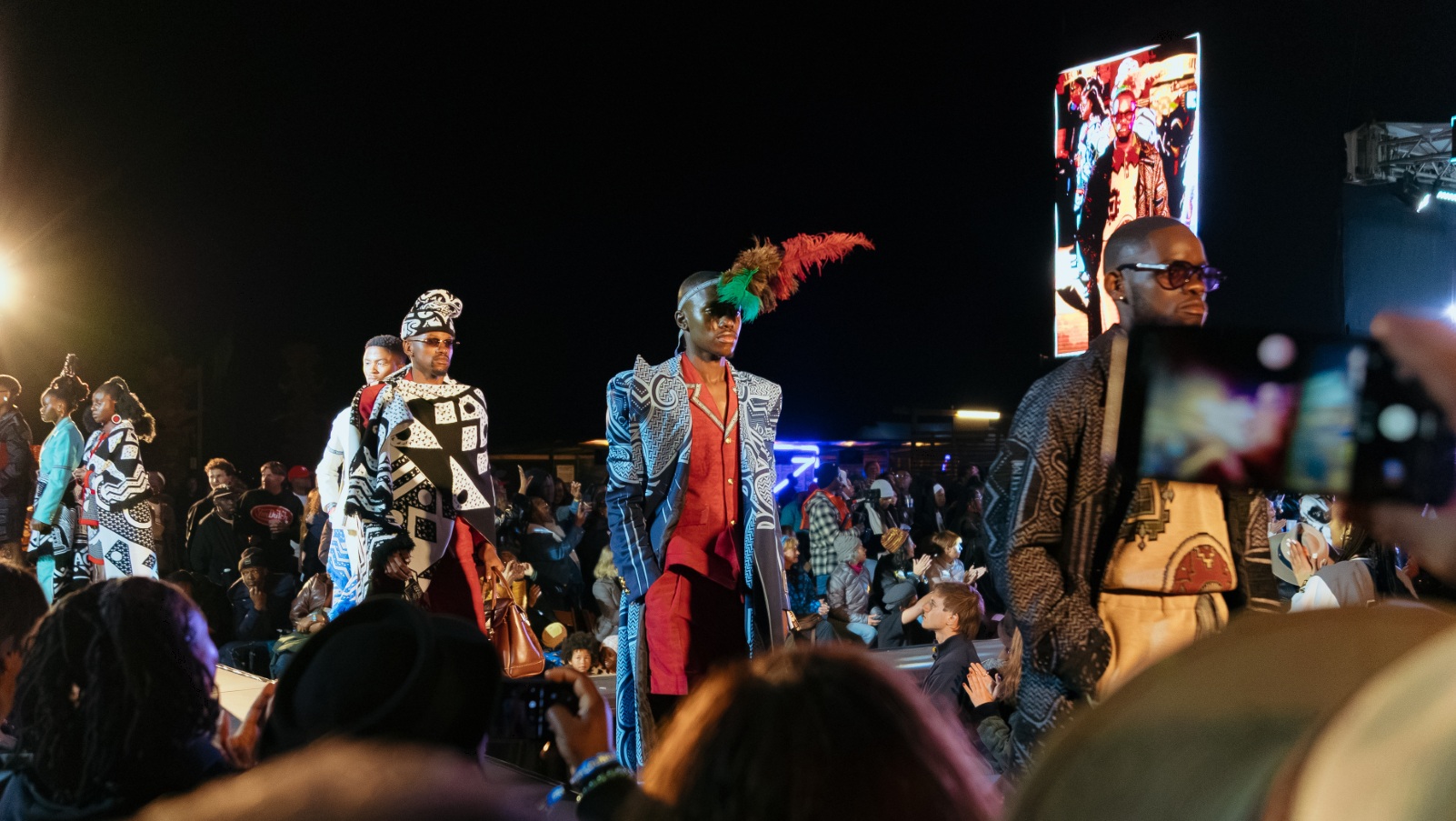
Under the theme Kwasukasukela: Once Upon a Time, more than 15 designers representing five countries showcased their work, with 11 Eswatini designers forming the core of the programme.
Their collections were showcased through the Fashion Café Pop-Up Runway, Luju Fashion Runway and Fashion Indaba.
The programme also demonstrated growing regional cooperation.
Support from Standard Bank Lesotho enabled Lesotho-based designer Chere Mongangane of Bonono Merchants to participate and trade at Luju’s fashion café.
Mozambican designer King Levi, founder of XIGUBO and Fancy Africa Fashion Week, described Luju as an important platform where designers could share not only clothing collections but also the stories, traditions and identities behind African fashion.
The festival, he said, was helping strengthen the creative economy while exposing the depth and diversity of African fashion to international audiences.
49 acts bring africa to eswatini
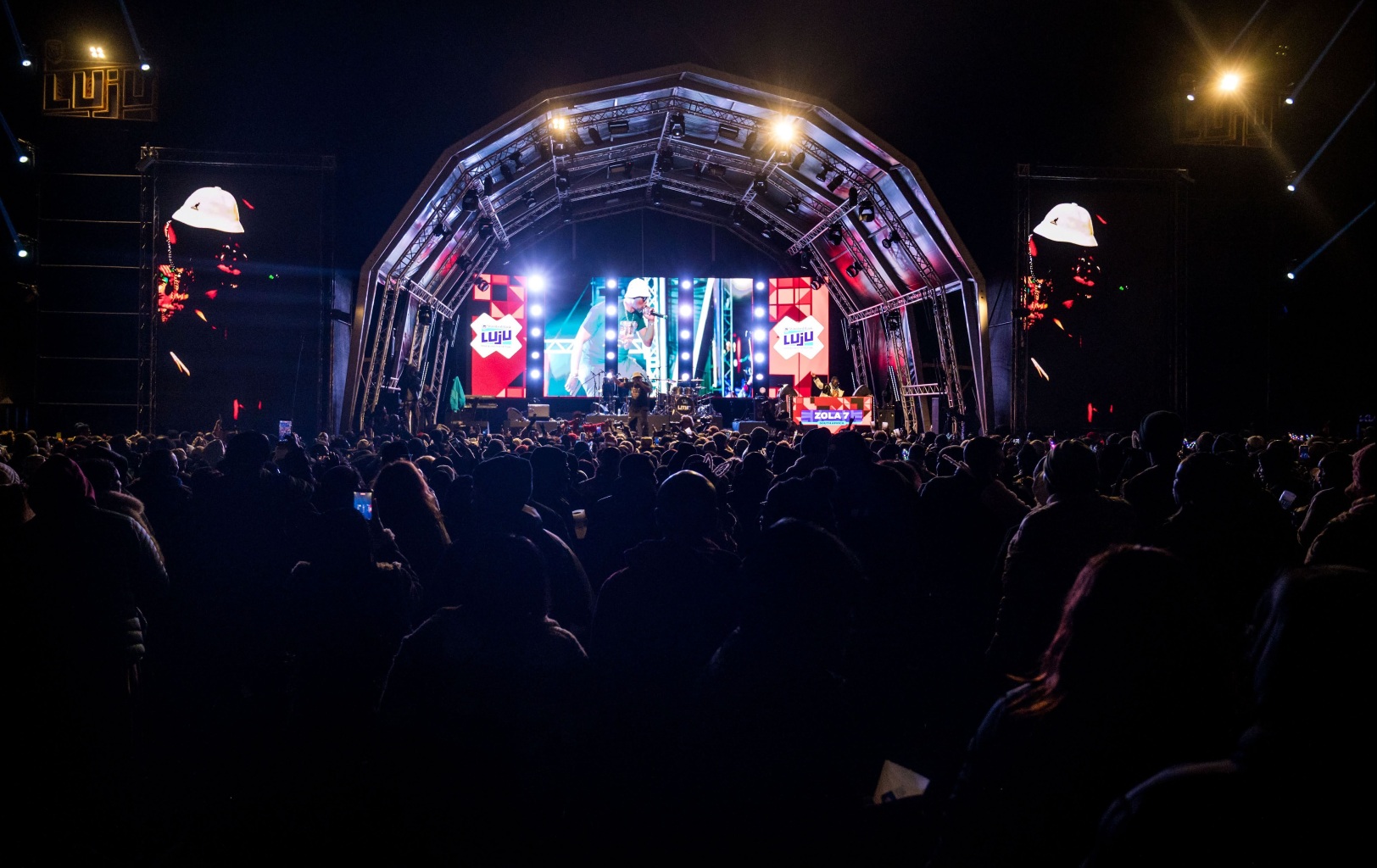
Music remained at the heart of Luju, with 49 acts from four countries performing across the festival’s four stages.
About 62 per cent of the performers were from Eswatini, giving local artists valuable exposure alongside established regional musicians.
International headline acts included Mozambique’s Neyma, Lesotho’s Maleh and South African stars Zakes Bantwini, Zola 7, The Masekela Band, Nasty C, Liquideep, Shwi Mantombazane and others.
Eswatini artists included Bholoja, Cece & Rina, Judah Soul, Originelle, Emagagu and Sancheziey, among others.
The mix enabled local talent to perform before an audience drawn from dozens of countries while sharing stages with some of Southern Africa’s established performers.
Eswatini festival model attracts regional interest
Luju’s growing reputation was further demonstrated by the attendance of a delegation of more than 10 representatives from Mozambique’s National Institute of Cultural and Creative Industries.
Led by National Director Ivan Bonde, the delegation visited Eswatini specifically to study Luju’s festival model.
Areas of interest included the festival’s public-private partnership structure and its use of digital marketing, with the delegation looking at how lessons from Luju could be applied to festivals in Mozambique.
Mozambican company Marrabenta Special Events & Technologies also supported sound and technical production at the festival, further demonstrating the growing cross-border nature of the event.
Standard bank sees culture as economic engine
Standard Bank Eswatini Chief Executive Mvuselelo Fakudze said the bank’s continued support for the festival was based on the belief that culture and creativity could contribute meaningfully to economic growth.
He said the partnership between Standard Bank and House On Fire was creating opportunities for SMEs, artists, designers, chefs and traders, while strengthening commercial and cultural ties across Southern Africa.
“Our commitment to Luju aligns with our enduring ethos that ‘Eswatini is our home, we drive her growth,’” Fakudze said.
The 2026 festival also received regional backing through Standard Bank Mozambique and Standard Bank Lesotho, strengthening its Pan-African reach.
For Eswatini, the growing numbers tell a compelling story.
A festival built around food, fashion, music and African identity is increasingly translating creativity into business sales, employment opportunities, tourism arrivals, regional partnerships and international exposure.
With more than 10 000 visitors, participation from 35 countries, 113 SMEs earning stronger revenues and over 620 employment opportunities created, Luju is steadily positioning Eswatini not only as a place where Africa comes to celebrate — but also a place where African creativity can create livelihoods and economic opportunity.