


By Sifiso Nhlabatsi
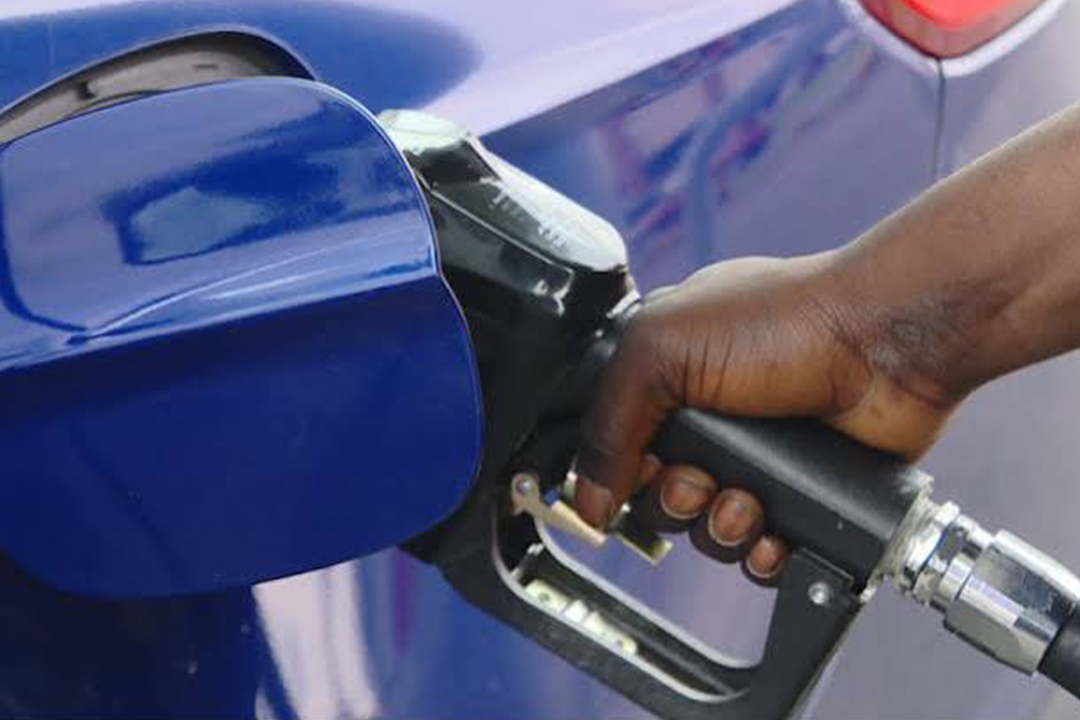
MBABANE – Eswatini motorists and businesses are set to enjoy significant relief at the pumps after the government announced substantial reductions in the prices of petrol, diesel and illuminating paraffin, effective from midnight on Thursday, with the new prices taking effect on Friday, July 3, 2026.
The Ministry of Natural Resources and Energy announced that the price of Unleaded Petrol (ULP95) will decrease by E1.50 per litre, from E26.17 to E24.67. Diesel (50ppm S) will register an even bigger reduction of E3.00 per litre, falling from E29.20 to E26.20, while illuminating paraffin will also decrease by E3.00 per litre, from E23.38 to E20.38.
The reductions are expected to ease transport costs for motorists, public transport operators, farmers and businesses that rely heavily on diesel-powered machinery and vehicles. Lower paraffin prices are also expected to bring relief to many households that depend on the fuel for cooking, heating and lighting.
According to the ministry, the downward adjustment was driven by a decline in international crude oil prices following positive diplomatic developments in the Middle East, which helped ease fears of supply disruptions. The ministry also cited the slight appreciation of the Lilangeni against the US Dollar during June as another factor that reduced the cost of imported fuel. Recent international market trends show that crude oil prices retreated after geopolitical tensions eased, while increased global oil supply has also contributed to lower fuel costs.

The latest adjustment comes as welcome news for consumers who have endured months of elevated fuel prices driven by global market volatility. Lower fuel prices often have a positive ripple effect across the economy by reducing transportation and distribution costs, helping businesses manage operating expenses and potentially slowing increases in the prices of goods and services.
However, the ministry cautioned that international oil markets and foreign exchange rates remain highly volatile and could change unexpectedly. It therefore encouraged consumers to continue using fuel efficiently despite the current reductions.
Fuel prices in Eswatini are reviewed monthly and are largely influenced by movements in international petroleum prices and the exchange rate between the Lilangeni and the US Dollar.
The latest price cuts place Eswatini among several countries that have announced fuel reductions as global oil markets continue to stabilise following easing geopolitical tensions and improved supply conditions.