



BY GCWALISILE MHLABANE
MANZINI- For a small business trying to survive and grow, every expense matters. But SMEs have been urged to look at certification differently — not as another cost on the books, but as an investment that can strengthen their operations, build customer confidence and prepare them for bigger opportunities.
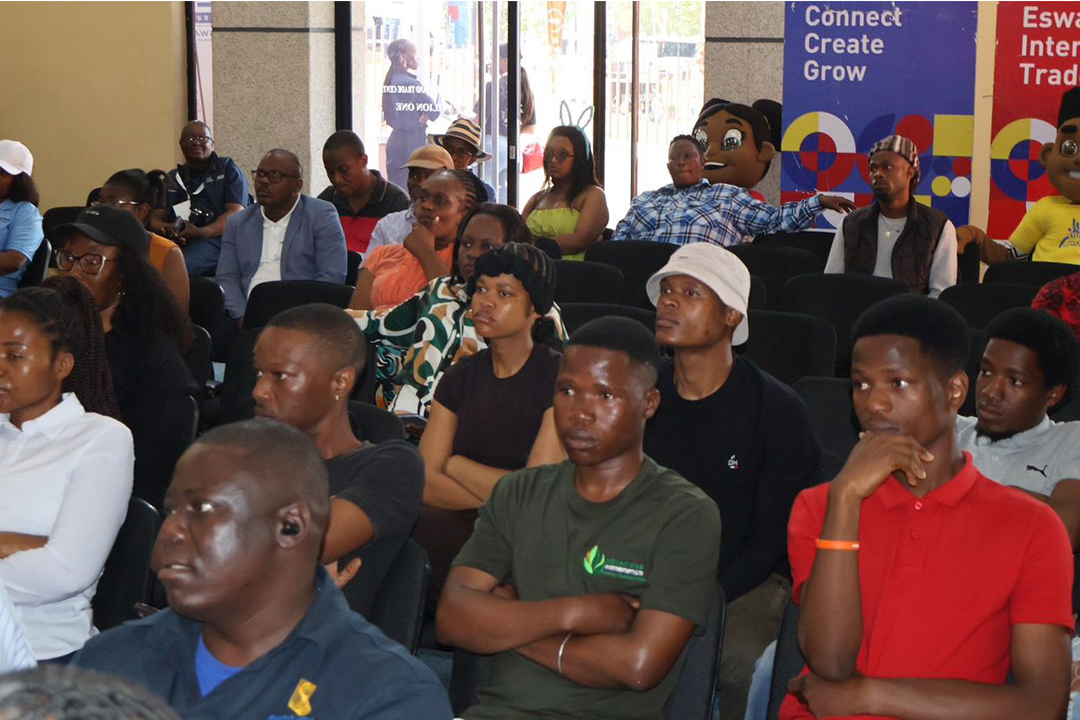
The call was made by Ubombo Sugar Limited-Eswatini Head of Finance Philile Nxumalo during the ESWASA Standards Dialogue held at the Mavuso Trade and Exhibition Centre on August 31, 2026.
Held under the theme “Green Standards: Financing & Building Eswatini’s Sustainable Future,” the dialogue brought together stakeholders to examine how standards can help businesses improve their operations, strengthen credibility and build a foundation for sustainable growth.
Nxumalo said SMEs, particularly those concerned about the cost of certification, should not feel pressured to meet every requirement at once.
Instead, she encouraged businesses to begin with the basics and progressively strengthen their systems.
“My key advice would be don’t use certification as a cost but look at it as an investment in making your business sustainable in the future,” she said.
Nxumalo urged entrepreneurs to take a practical approach by understanding what their customers require and improving their internal business practices before pursuing every level of certification.
“Start with the fundamentals and start small,” she said.
The message comes as Eswatini’s SME sector continues to seek opportunities to expand, access new markets and establish partnerships.
For businesses hoping to move to the next level, having a quality product or service is only part of the equation. Customers, financiers and business partners also need confidence that an enterprise can operate consistently, safely and responsibly.
The practical value of certification was highlighted through the experience of Lujilo Honey.
Lujilo Honey Safety Officer Mphilolenhle Methula shared how the certification process encouraged the company to take a closer look at its day-to-day operations and identify areas requiring improvement.
The process involved examining whether operations were being carried out consistently and ensuring that procedures were properly documented.
It also contributed to improvements in areas such as hygiene, sanitation, safe processing, packaging and storage.
For SMEs, these improvements can have a significant impact. Stronger systems can help businesses maintain consistent quality, reduce operational weaknesses and become better prepared to handle increased demand.
Certification can therefore serve as a catalyst for businesses to move from informal ways of working towards structured systems that support long-term growth.
The dialogue also highlighted the importance of ensuring that standards are embraced throughout a business.
Certification cannot be sustained if responsibility rests solely with a manager or a particular office. Employees at every level need to understand the standards and play their part in ensuring they are consistently applied.
For growing SMEs, this can be particularly important. As a business expands, informal systems that may have worked when operations were small can become difficult to manage.
Clear procedures, proper documentation and accountability can help businesses maintain quality as they grow.
The discussion further explored the relationship between standards, business credibility and access to finance.
The dialogue brought together stakeholders from the standards, business development and financial services sectors, including representatives from Standard Bank Eswatini and the Industrial Development Corporation of Eswatini (IDCE).
Although certification does not automatically guarantee access to financing, businesses with documented processes, stronger internal controls and evidence of compliance can be better positioned when engaging financiers, customers and potential partners.
For SMEs looking to scale up, this credibility can be particularly valuable.
A business that can demonstrate that its operations are organised, its processes are documented and its products meet recognised standards is better placed to inspire confidence among those considering doing business with it.
The central message from the dialogue was that certification should not be viewed simply as a certificate to be displayed on a wall.
Its greater value lies in the systems, discipline and improvements that businesses develop along the way.
For SMEs, the journey can lead to better record-keeping, improved safety and hygiene, greater consistency, stronger customer confidence and increased readiness for new opportunities.
As Eswatini seeks to build a stronger and more sustainable private sector, entrepreneurs are being encouraged to see standards as part of the foundation on which successful businesses are built.
For SMEs, the question should therefore not only be how much certification costs, but how much stronger the business can become by investing in it.
#Eswatini #SMEs #Certification #Standards #BusinessGrowth #ESWASA #SustainableBusiness #GreenEconomy
(Courtesy Pic)