


BY SIBUSISEKILE NDLANGAMANDLA
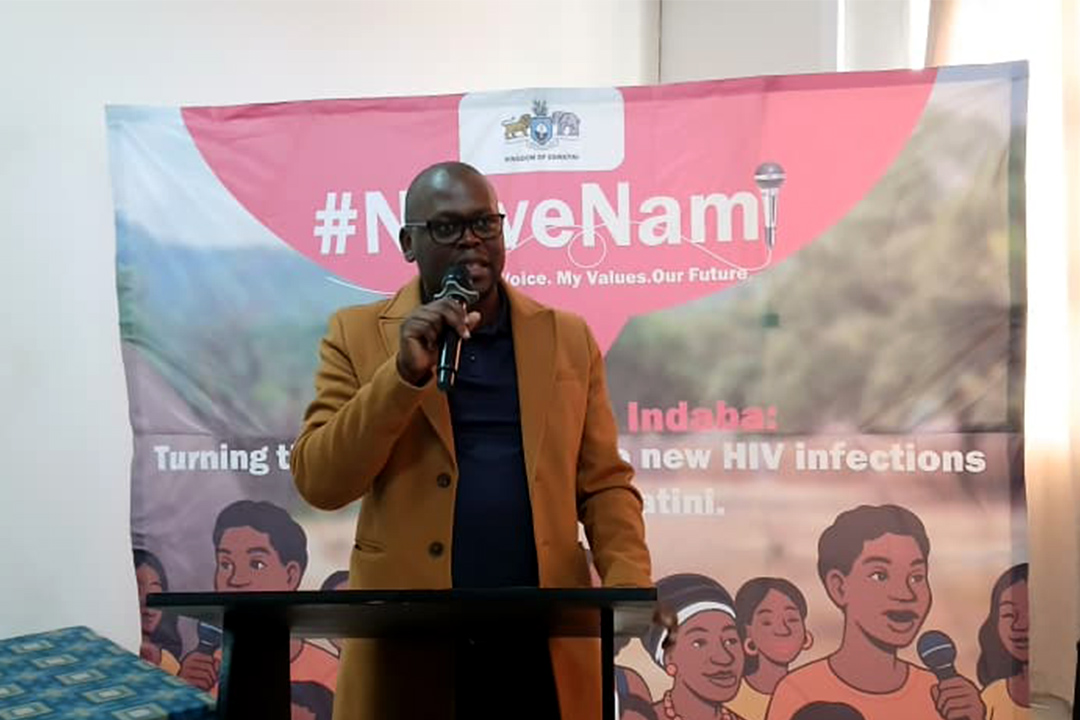
MANZINI– Stigma, discrimination, poverty, unemployment and gaps in HIV prevention knowledge are emerging as major barriers to HIV prevention among key populations in Eswatini, with findings presented at the Regional National Indaba on HIV Prevention showing how social and economic pressures can influence access to healthcare and safer choices.
The findings, which focused on sex workers, men who have sex with men (MSM), transgender people and people who inject drugs (PWIDs), revealed that some people continue to face barriers that go beyond the availability of HIV services. Among PWIDs, gaps in accurate information about pre-exposure prophylaxis (PrEP) and post-exposure prophylaxis (PEP), which could increase the risk of HIV exposure.
Participants reported experiencing stigma and discrimination from family members, healthcare workers, essential service providers and society. One participant described avoiding healthcare facilities because of previous experiences of feeling judged and humiliated. The experience highlights a critical challenge for HIV prevention and that the services cannot achieve their purpose if people are afraid to use them.
Sex workers identified unemployment as a major driver of their involvement in sex work. Participants also described situations where financial pressure could make it difficult to negotiate condom use. One participant explained how a client could offer more money in exchange for sex without a condom, creating a difficult choice for someone struggling to meet their responsibilities.

For MSM participants, the findings indicated that some were engaging in unprotected sexual relationships with older men, including relationships described as involving “sugar daddies”. Participants linked these relationships to socio-economic challenges, particularly poverty and unemployment. The findings therefore shift the HIV prevention conversation from individual behaviour alone to the wider social and economic conditions influencing people’s decisions.
Strengthening HIV prevention requires more than making condoms, PrEP and PEP available. Healthcare facilities must become safer and more welcoming spaces, while service providers need to strengthen their understanding of the experiences of key populations. Also communities need to confront stigma and discrimination that can prevent people from seeking essential services.
Economic empowerment can also play an important role by reducing the financial pressures that may contribute to risky situations. The findings from the Regional National Indaba on HIV Prevention ultimately point to one powerful lesson. HIV prevention will remain incomplete unless the barriers surrounding people are addressed alongside the virus itself.
#EswatiniPositiveNews #HIVPrevention #HIVAwareness #NERCHA #KeyPopulations