



BY SIFISO NHLABATSI
MBABANE– Implementing the proposed Tobacco Control Bill could save more than 3 300 lives and avert an estimated E2.7 billion in healthcare costs and economic losses.
This was revealed by the Ministry of Health revealed during a media breakfast briefing held at Mountain View Hotel on Thursday.
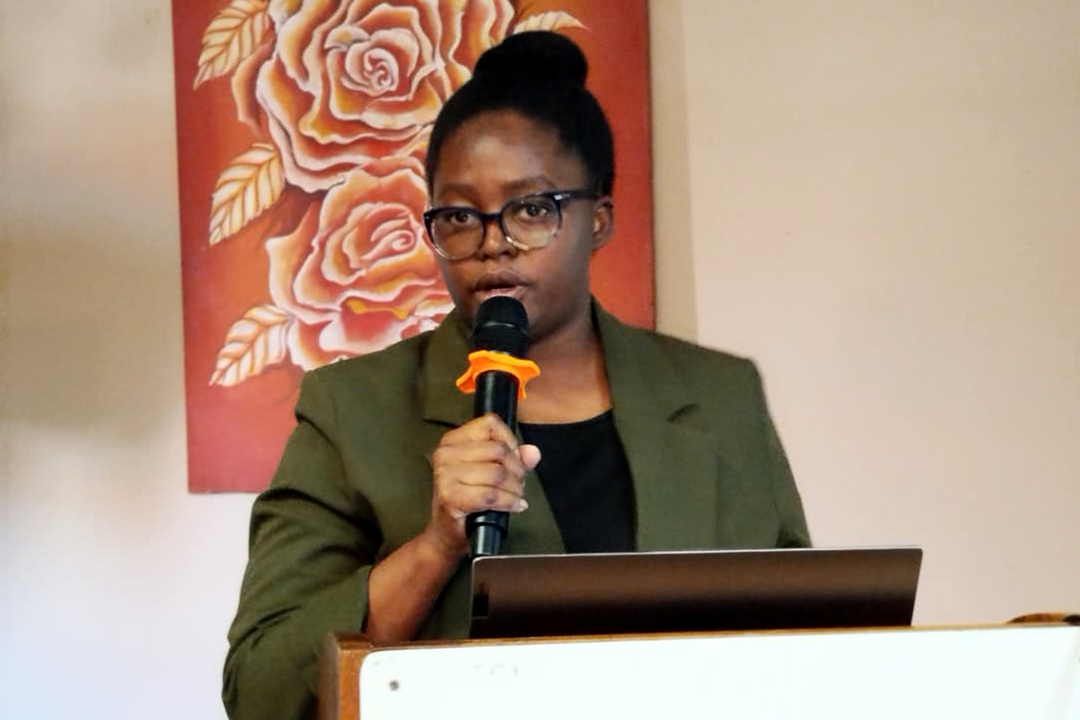
The briefing, organised by the Ministry’s Health Promotion Unit in collaboration with the Non-Communicable Diseases, Injuries and Mental Health (NCDIMH) Programme, sought to strengthen collaboration with the media and enhance public awareness ahead of the introduction of the Tobacco Control Bill.
Presentations made during the engagement highlighted the significant health and economic burden tobacco continues to impose on Eswatini. According to NCDIMH Program Officer Sijabulile Dlamini, implementing the recommended tobacco control measures contained in the proposed legislation over the next 15 years could prevent more than 3 300 premature deaths, while generating savings of over E2.7 billion in health expenditure and productivity losses by 2034.

Dlamini further disclosed that tobacco currently costs the country approximately E684 million annually, representing 1.1 per cent of Eswatini’s Gross Domestic Product (GDP). The losses arise from direct healthcare costs associated with treating tobacco-related illnesses as well as reduced productivity resulting from disease and premature deaths.
She said the figures demonstrate why stronger tobacco control policies are needed to protect public health and reduce the growing burden of non-communicable diseases.
The proposed Tobacco Control Bill seeks to establish a comprehensive legal framework to regulate tobacco products and reduce tobacco consumption across the country. Among its objectives are protecting the public from exposure to second-hand smoke, regulating tobacco advertising, promotion and sponsorship, and strengthening measures aimed at preventing young people from taking up smoking.
She stated that legislation alone would not achieve the desired outcomes without public understanding and support. Officials who attended the event described the media as a critical partner in ensuring accurate and widespread dissemination of information about the bill, its objectives and the expected benefits for the nation.
Speaking through the objectives of the meeting, organisers said the media has an essential role in shaping public opinion and influencing healthier behavioural choices. They urged journalists to report accurately on tobacco-related issues and help communities understand the health, economic and environmental consequences associated with tobacco use.
The ministry also emphasised that investment in tobacco control extends beyond improving health outcomes. The programme officer stated that, reducing tobacco use would ease pressure on the country’s healthcare system, improve productivity and contribute to long-term economic development by lowering preventable healthcare expenditure and reducing premature mortality.
#TobaccoControlBill #Eswatini #PublicHealth #MinistryOfHealth #SaveLives #HealthPromotion #NCDs #TobaccoControl #SmokeFreeEswatini #PreventiveHealthcare #EconomicGrowth #HealthyNation #WHOFCTC #MediaBriefing #EndTobacco