


BY MBONGENI NDLELA
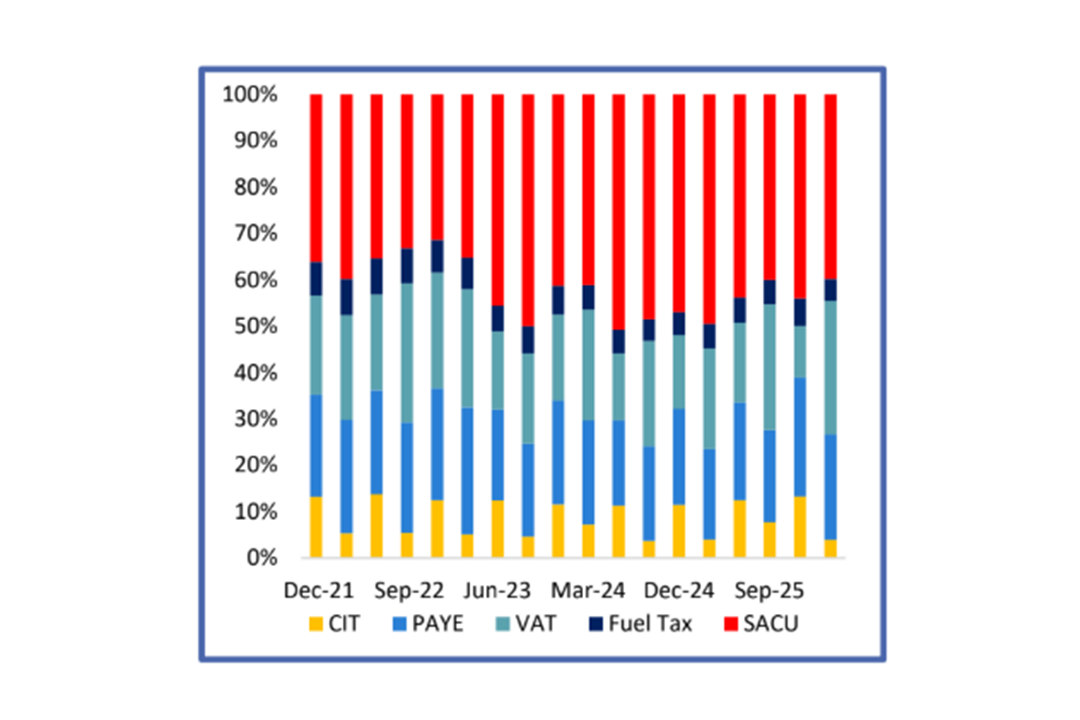
MBABANE – Eswatini’s Value Added Tax (VAT) collections surged by 30.7 percent during the first quarter of 2026, providing a strong indication that economic activity and consumer spending remained robust across the country.
The impressive increase is highlighted in the Ministry of Economic Planning and Development’s Quarterly Economic Bulletin, which points to stronger domestic demand and improved tax collection performance despite broader fiscal pressures.
According to the report, VAT receipts increased significantly compared to the previous quarter, becoming one of the strongest-performing revenue categories during the review period.
Economists often regard VAT collections as an important measure of economic activity because they reflect transactions taking place throughout the economy. Rising VAT revenues generally indicate increased spending by consumers and stronger business activity.

“The growth in VAT collections suggests that economic activity remained resilient and that businesses continued generating taxable transactions across multiple sectors,” the bulletin notes.
The positive revenue performance comes at a time when several sectors of the economy have been recording encouraging growth. Construction, financial services, wholesale and retail trade, and information and communication technology all registered strong expansions during the period.
An economic analyst familiar with the report said the VAT performance reflects confidence among consumers and businesses.
“When households continue spending and businesses continue trading, government revenue naturally benefits. The VAT figures suggest economic momentum remained healthy throughout the quarter,” the analyst explained.
While VAT revenue increased substantially, the report notes that overall government revenue declined by 5.4 percent to E7.8 billion. The decline was mainly linked to lower Southern African Customs Union (SACU) receipts and reduced collections from some non-tax revenue sources.
Despite these challenges, domestic revenue sources demonstrated resilience.
Government continues to strengthen revenue mobilisation efforts while supporting economic growth and investment.
The report also indicates that the country’s fiscal position remains manageable despite global economic uncertainties affecting many developing economies.
The encouraging VAT performance is expected to support government programmes aimed at infrastructure development, social services and economic empowerment initiatives.
Business leaders say the figures reinforce confidence in the domestic market.
“Strong VAT collections show that economic activity is taking place throughout the value chain. This creates opportunities for businesses of all sizes, including SMEs,” said a local business representative.
As government continues implementing policies designed to stimulate growth, the strong performance in VAT revenue demonstrates the growing contribution of domestic economic activity to national development.
The latest figures suggest that consumer confidence, business expansion and investment activity continue to provide a solid foundation for Eswatini’s economic progress.
With key growth sectors maintaining positive momentum, VAT revenue is expected to remain an important contributor to public finances and national development efforts in the coming months.