


By Nomthandazo Mayisela (Intern)
MBABANE – Inside the halls of the Hilton Garden Inn, the conversation was not just about policy, it was about people, lived realities, and the quiet determination to build a more inclusive Eswatini.
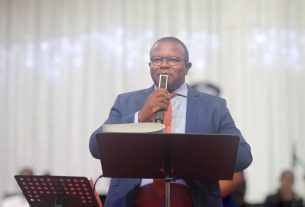
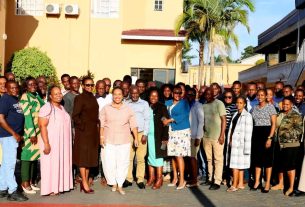
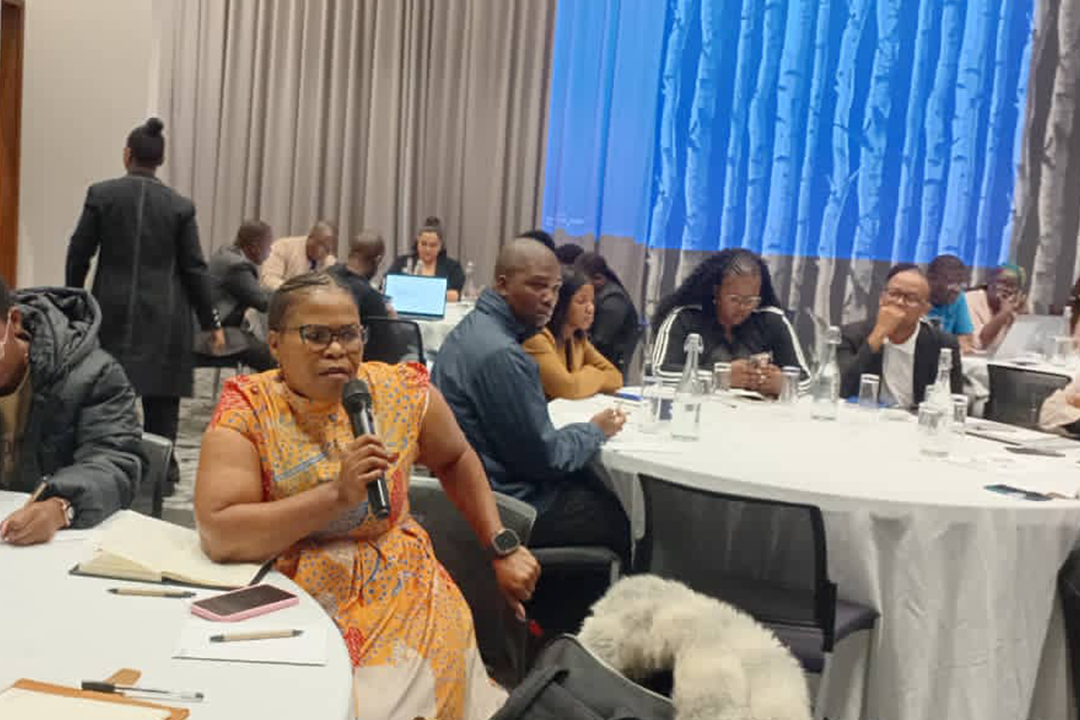
On April 16, 2026, individuals from across the country, government officials, development partners, and advocates for persons with disabilities, came together under the leadership of the Deputy Prime Minister’s Office (DPMO). What unfolded was more than a workshop; it became a space where voices often unheard took centre stage.
Among those guiding the discussions was Disability Manager Fikile Shongwe, who brought clarity to the everyday communication challenges faced by many.
She explained that some individuals rely on assistive technologies, while others use Makaton, a form of sign language tailored for persons with autism, highlighting that inclusion begins with understanding different needs.

Encouragingly, progress is already underway. A new school syllabus introducing sign language is on the horizon, signaling a shift toward a more inclusive education system. For many families, this represents hope, hope that future classrooms will be spaces where every learner can participate fully.
Participants also shared the emotional and practical challenges faced by learners transitioning from special schools into mainstream education. It is a journey that can feel overwhelming without the right support.
However, structured plans, individual educational, support, and transition frameworks, are being strengthened to ensure that no learner is left behind.
Beyond the formal discussions, the workshop revealed the resilience of communities. Stories from rural areas highlighted both the gaps in access and the unwavering commitment of caregivers who continue to provide support every day.
By the end of the session, one truth stood out clearly, true inclusion is not built on policies alone. It is shaped by listening, adapting, and responding to real human experiences.
And in that room, filled with shared stories and collective purpose, Eswatini took another meaningful step toward a future where everyone belongs.