



BY TANDZILE DLAMINI
MBABANE — Eswatini has unveiled an ambitious E805 million conservation and community development project that will establish an 87 000 hectare Big Five nature reserve in the Lubombo Region, bringing together government, conservation institutions, private companies and communities in one of the country’s largest biodiversity and climate resilience initiatives to date.
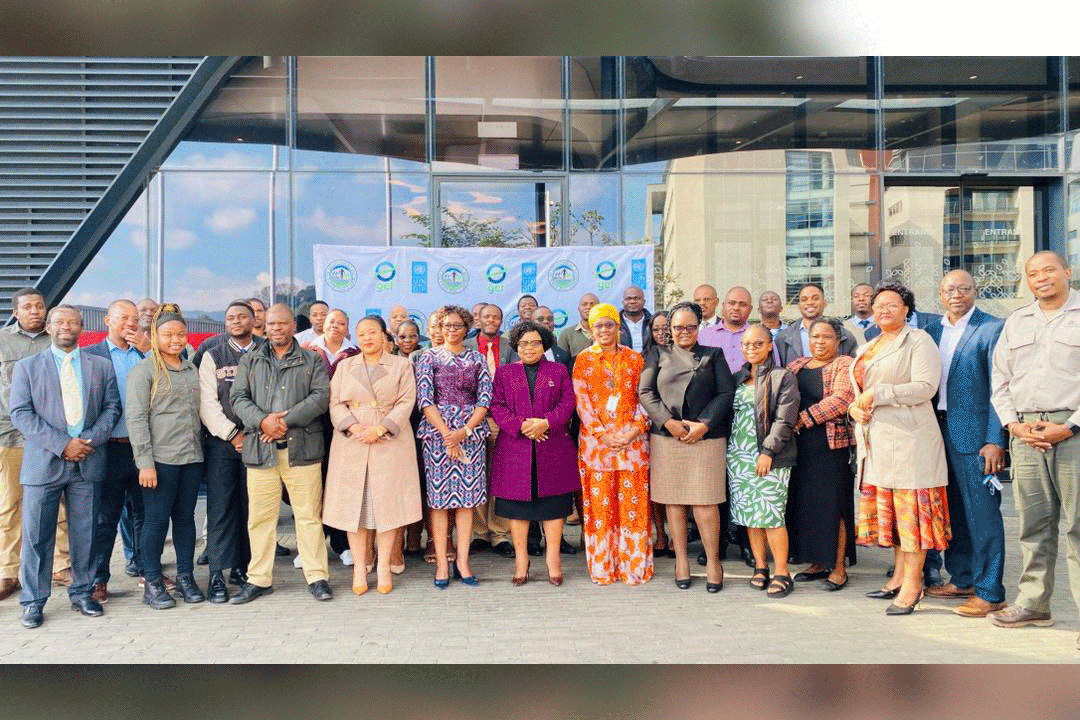
The five year project, officially introduced during a stakeholder inception and consultation workshop held at Hilton Garden Inn on 25 May 2026, is backed by more than USD 48 million approximately E805Million in funding and co financing from the Global Environment Facility (GEF), Government of Eswatini, UNDP, Big Game Parks, Mbuluzi Game Reserve, Royal Eswatini Sugar Corporation and other strategic partners.
The initiative aims to connect protected areas and communities across the Lubombo landscape while improving habitat movement for elephants, rhinos, buffaloes, lions and leopards. Government and its partners say the project is also expected to create economic opportunities for surrounding communities through tourism, conservation linked enterprises and improved participation in the wildlife economy.
Speaking during the workshop, Minister of Tourism and Environmental Affairs Jane Mkhonta Simelane said the project marks a major step towards balancing biodiversity conservation with community development.

“The Eswatini Big 5 Nature Reserve will cover approximately 87 000 hectares in the Lubombo Region. This reserve will consolidate various protected areas and communities, enhancing habitat connectivity for our iconic Big Five species,” said the minister.
She said the initiative supports Eswatini’s national development goals and international environmental commitments while also forming part of the recently launched United Nations Sustainable Development Cooperation Framework.
Mkhonta Simelane said government wants women, youth and marginalised groups to directly benefit from the project through job creation, sustainable businesses and conservation opportunities. “We envision a resilient Eswatini that is on a low carbon development pathway, managing natural resources sustainably,” she said.
The project comes at a time when the Lubombo landscape is facing growing environmental pressure, including ecosystem degradation, invasive species, habitat fragmentation and climate related challenges. Communities living near conservation areas are also increasingly dealing with human wildlife conflict, including crop destruction, livestock losses and pressure on grazing land.
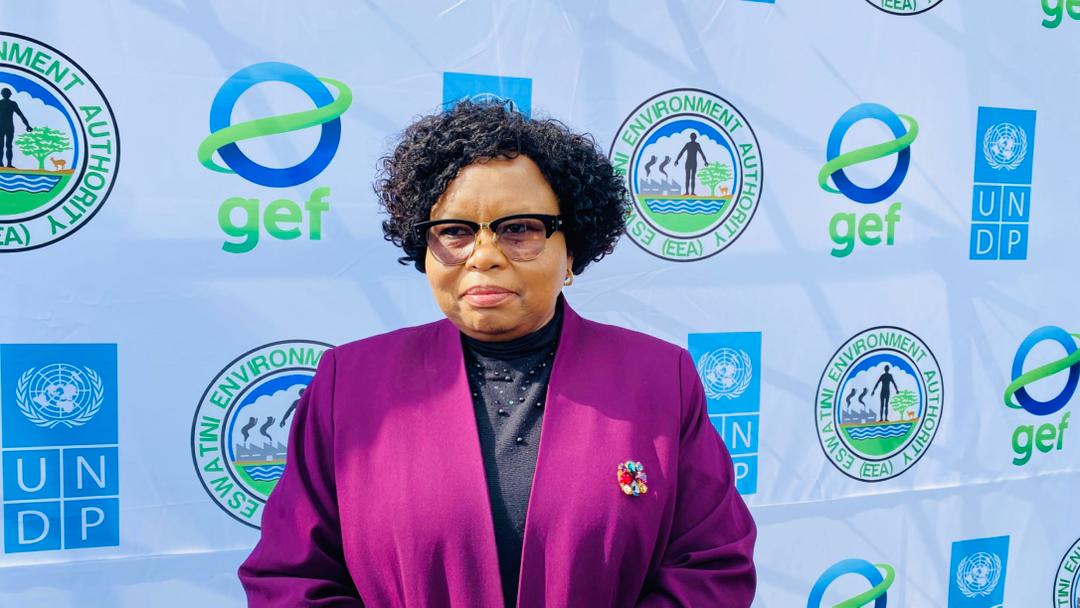
UNDP Deputy Resident Representative Nessie Golakai Gould said the project was designed to respond directly to those realities. “We are not simply launching a conservation project. We are launching one of the most ambitious integrated biodiversity, climate resilience and community livelihoods initiatives currently under implementation in the country,” she said.
Golakai Gould said conservation efforts cannot succeed if communities living closest to protected areas do not see meaningful benefits. “The project directly acknowledges the growing challenge of human wildlife conflict. For communities living adjacent to conservation areas, this is not a theoretical issue,” she said. She added that the project will focus on coexistence, inclusive governance, sustainable rangeland management, benefit sharing and alternative livelihoods.
According to UNDP, the project is expected to support improved management and restoration of thousands of hectares of land while also improving livelihoods for about 18 800 beneficiaries, particularly women, youth and socially marginalised groups.
GEF Operational Focal Point Constance Dlamini described the initiative as a flagship national project under the GEF 8 Wildlife Conservation for Development Integrated Programme. Dlamini said Eswatini strategically channelled its biodiversity and climate change allocations into the programme to attract additional funding support.
“Programming through the integrated programmes helped us stretch the investment because for every three dollars invested, the GEF added an extra dollar,” she said. She urged all partners to maintain transparency, honour co financing commitments and ensure communities are fully included in governance structures and benefit sharing systems. Dlamini said the project has the potential to position Eswatini as a regional leader in conservation and eco tourism while protecting globally significant biodiversity.
Government and development partners believe the success of the project will depend heavily on collaboration between communities, traditional leaders, conservation agencies, private sector players and public institutions.
Officials also stressed that the initiative is not only about wildlife protection but about building a sustainable wildlife based economy capable of improving livelihoods while protecting natural resources for future generations.