



BY NELIWE NGUBANE
EZULWINI – From statistics in government databases to decisions that shape what happens inside classrooms, the Ministry of Education and Training has challenged education stakeholders to ensure that data translates into meaningful improvements in learners’ lives.
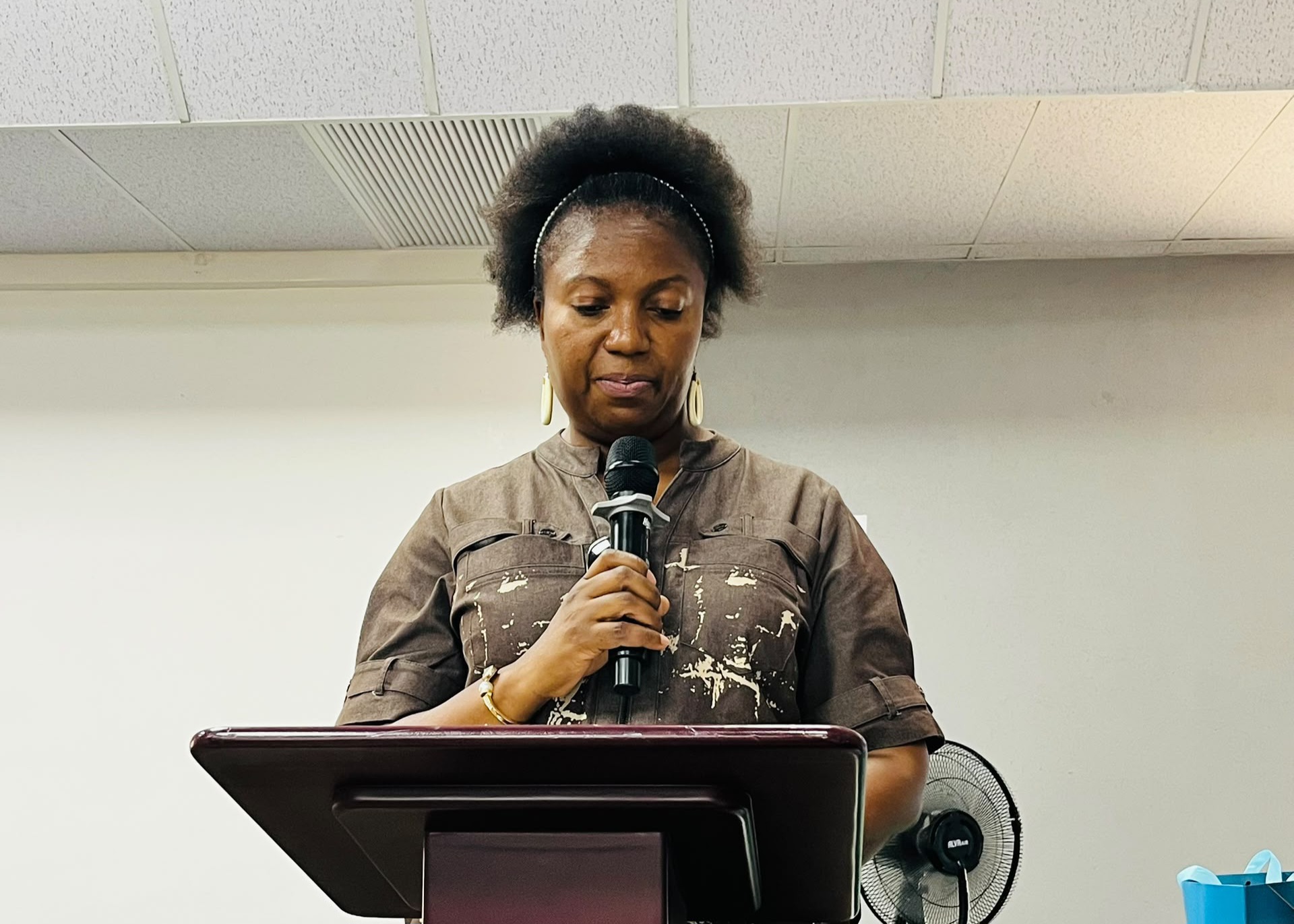
Principal Secretary in the Ministry of Education and Training, Nanikie Mnisi, delivered this message as she officially closed the two-day Eswatini Education Management Information System (EMIS) Data Use Workshop at Sibane Sami Hotel on Friday, 16 October 2026.
The workshop, which began on Thursday, brought together government officials, education specialists, consultants and development partners to strengthen the use of education data in planning, budgeting and monitoring.
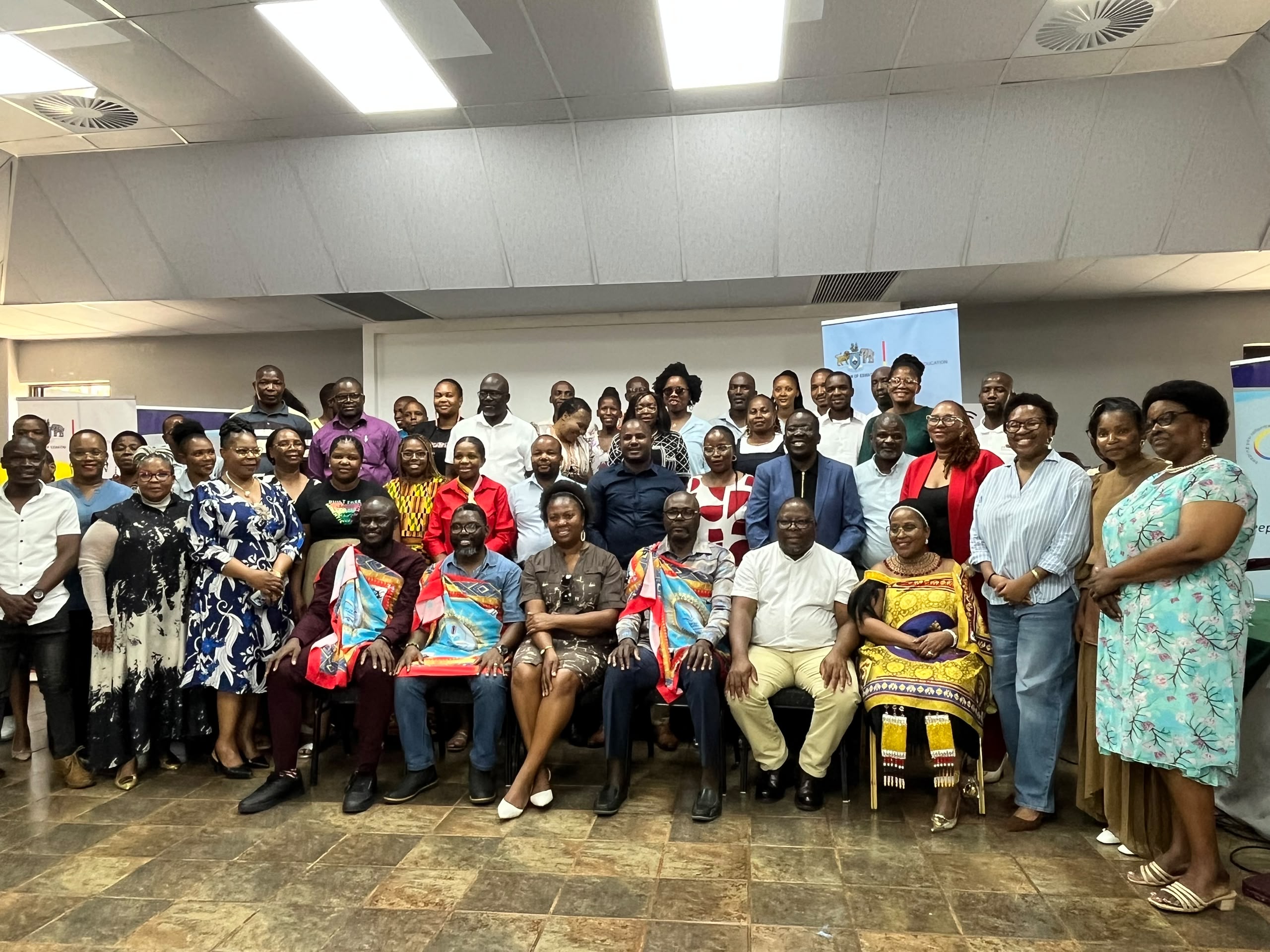
Mnisi emphasised that while Eswatini already collects extensive information on learner enrolment, attendance, progression, teacher deployment and school performance, the real challenge is ensuring that the information informs decisions that improve educational delivery.
“Data must not gather dust in reports or office databases; it must reach those who need it and translate into action,” she said.
Her remarks placed the learner at the centre of education planning, urging stakeholders to move beyond collecting statistics and focus on how evidence can identify learning gaps, improve teacher deployment, direct resources to schools in need and measure the success of interventions.
Reflecting on the workshop, Mnisi said education was a complex and interconnected system involving learners, teachers, school leaders, parents and caregivers, policymakers, government officials and development partners.
Although these stakeholders have different responsibilities, she said they share a common goal: ensuring that every learner receives quality, equitable and relevant education to achieve the best possible learning outcomes.
She explained that decisions made at policy level directly affect schools and teachers, while the availability and deployment of teachers influence everyday classroom instruction. Parental involvement also affects learner participation, while health, social protection and household circumstances can shape educational outcomes.
According to Mnisi, recognising these connections requires coordinated efforts across the education sector, as no single department or stakeholder can achieve the desired results independently.
She stressed that EMIS plays a foundational role in managing education information, but its success ultimately depends on how effectively decision-makers at different levels use the information it provides.
For teachers, data should help identify learners’ strengths, learning gaps and support needs. School leaders and inspectors should use it to guide school improvement and instructional supervision, while policymakers should rely on it to inform planning, budgeting and policy formulation.
Development partners, she added, should use education evidence to align their support with national priorities.
The closing remarks followed discussions on Thursday that challenged government officials to identify decisions requiring stronger evidence and examine the barriers preventing effective data use.
During a presentation, consultant Demola Adesina encouraged participants to formulate specific, decision-linked questions rather than relying on broad concerns that are difficult to address through data analysis.
Participants examined challenges including unavailable or outdated information, inconsistencies in data, difficulties accessing information held by other departments, limited analytical skills and reports that do not adequately meet decision-makers’ needs.
These discussions established the foundation for Friday’s technical sessions, which focused on checking data quality, interpreting indicators, analysing approved national datasets and communicating findings through clear tables, charts and concise messages for managers.
Participants also worked towards developing a Data Use Action Brief and an accompanying data action plan outlining proposed improvements, responsible offices, timelines, support requirements and progress indicators.
Mnisi expressed appreciation for the workshop’s structure, noting that it challenged stakeholders to consider three fundamental questions: why data matters, which data is most critical and how it can be used effectively.
She called on participants to carry the recommendations into their respective institutions and ensure that the process results in tangible improvements in classrooms.
Beyond the technical discussions, the closing ceremony also featured a cultural gesture celebrating Eswatini’s heritage and hospitality.
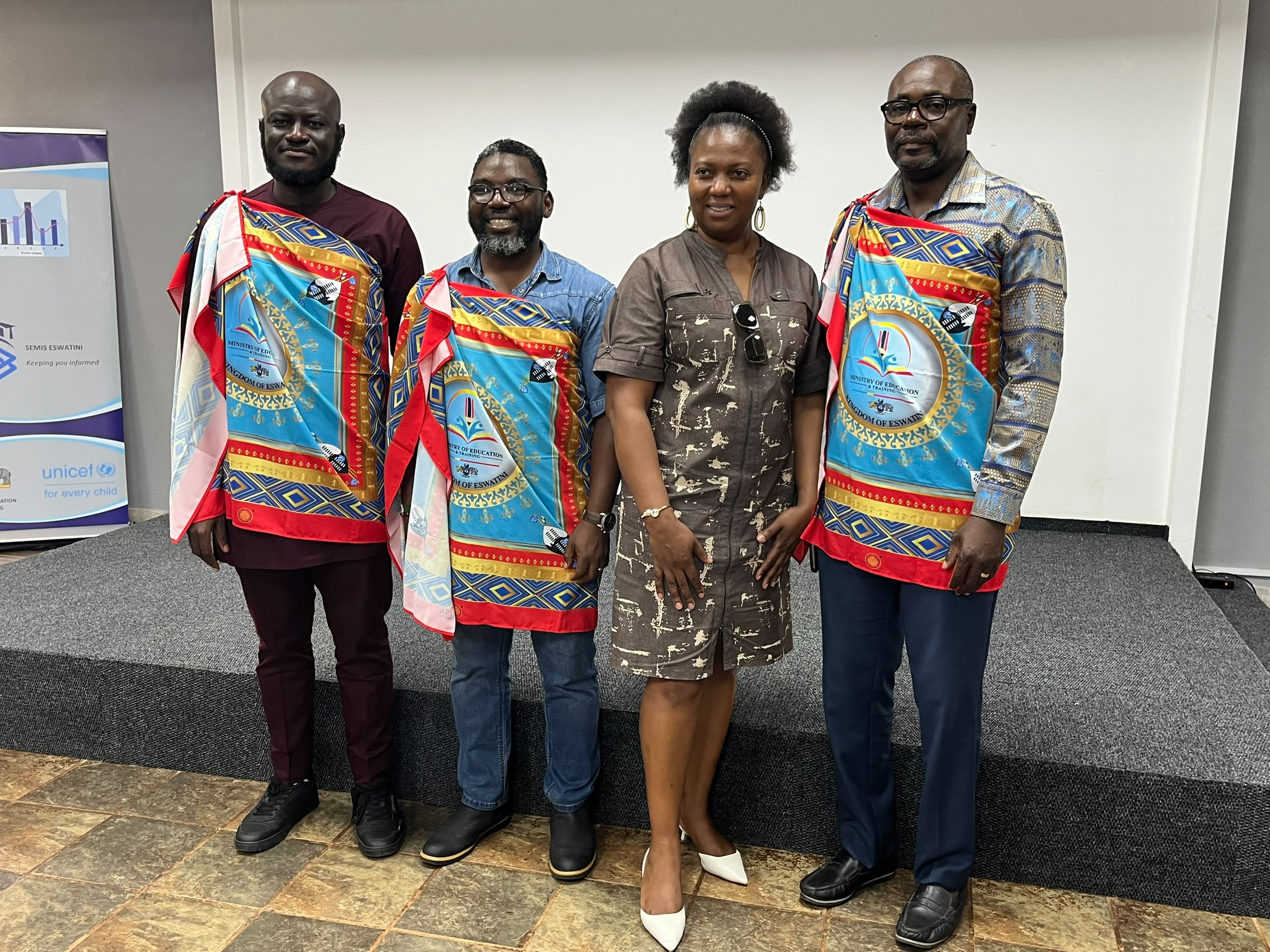
After officially closing the workshop, Mnisi presented traditional Swati attire to the visiting guests who had contributed to the workshop, including Dr Adoumatar Noubatour, Demola Adesina and Lukman Jaji.
The guests were also assisted in wearing the traditional attire, turning the closing ceremony into an opportunity to share the country’s cultural identity with those who had travelled to contribute their expertise.
In a further gesture of welcome, the visitors were given the regimental name “Lacwebetelako”, adding a cultural dimension to the gathering and recognising their participation in the engagement.
The presentation highlighted the role of cultural exchange in bringing people together, alongside the workshop’s technical objective of strengthening cooperation in education planning and development.
Mnisi reiterated the Ministry’s gratitude to the African Union, through the African Union Commission’s Pan-African Institute for Education for Development (AU-IPED), as well as the facilitators, consultants and participating partners who contributed their time, expertise and resources.
She emphasised that the responsibility for using education data extends beyond EMIS officers to everyone involved in the education system.
As Eswatini continues working to equip learners with meaningful competencies and skills, she called for a stronger culture of evidence-informed decision-making across institutions.
The workshop’s intended legacy is a practical action plan that translates identified data gaps into institutional responsibilities and measurable follow-up.
For Mnisi, the ultimate test of the exercise will not be the reports produced or the discussions held, but whether the recommendations lead to better decisions and improved educational experiences for children.
Her closing message was clear: every education decision must ultimately serve the learner.
#EswatiniPositiveNews #Education #EMIS #NanikieMnisi #EducationData #DataDrivenDecisions #AUIPED #Eswatini #EducationForAll