



- Pan-African leader calls for unity amid migration tensions
BY MBONO MDLULI
MBABANE – As Africa marked Africa Day celebrations, growing debates around migration, economic inequality and continental unity dominated discussions across the continent, with Prince Estifanos Matewos issuing a strong appeal for solidarity and the rejection of xenophobia and Afrophobia.
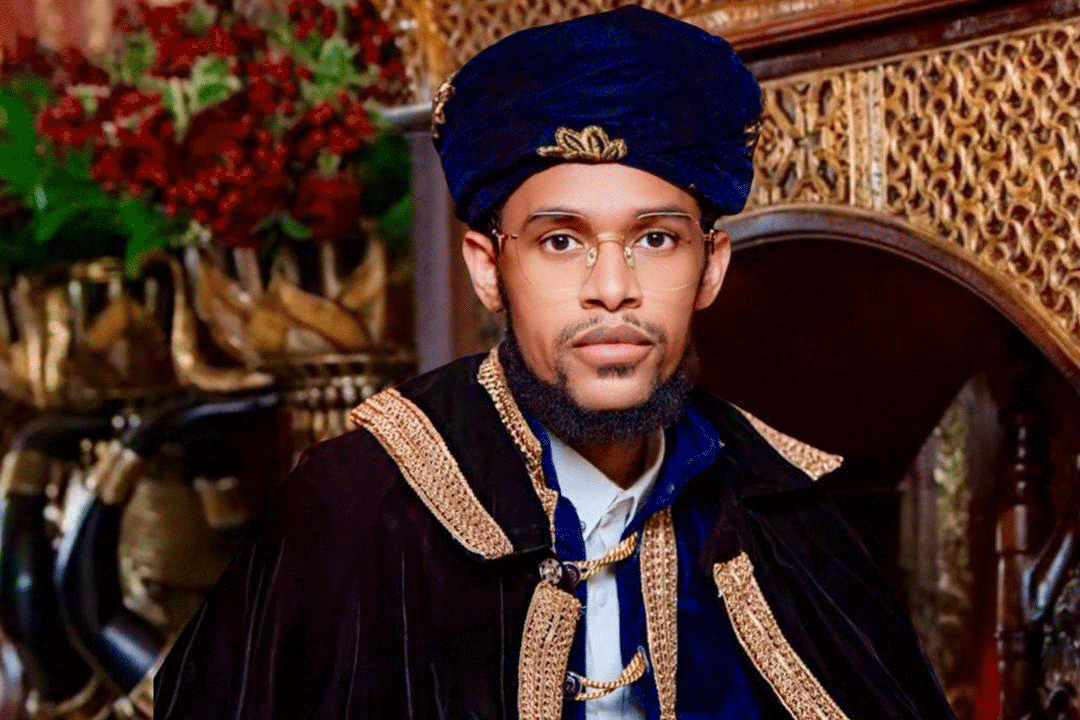
Prince Matewos, President of the United Africa Royal Assembly and Ambassador of the Pan-African Parliament to African Union Member States, warned that Africa’s future could not be secured through division, exclusion or narrow nationalism. Instead, he urged African nations to recommit themselves to the ideals of Pan-Africanism, shared prosperity and collective responsibility.
His remarks come at a time when several African countries are experiencing heightened anti-immigration sentiment linked to unemployment, economic hardship, crime and pressure on public services. In parts of Southern Africa, frustrations over limited opportunities have increasingly been directed towards both documented and undocumented foreign nationals, fuelling tensions that threaten regional cohesion and decades of progress towards African integration.
“No African is foreign in Africa”
In his Africa Day message, Prince Matewos strongly condemned xenophobia and all forms of discrimination against fellow Africans, declaring that “No African is foreign in Africa”.
He urged governments, institutions and communities to reject Afrophobia and embrace cooperation, arguing that Africa’s borders should serve as instruments of unity rather than barriers dividing people with shared histories and cultures.
The royal leader said the continent’s collective aspirations outweigh the forces attempting to fragment African societies through fear, intolerance and nationalism.
His comments reflect broader continental debates surrounding the implementation of the African Continental Free Trade Area (AfCFTA), labour mobility and the Pan-African vision of free movement across Africa. While African governments continue pursuing deeper economic integration, migration remains a politically sensitive issue in many countries.
Analysts have pointed to rising youth unemployment, irregular migration and economic inequality as contributing factors behind anti-immigrant sentiments in some urban centres, occasionally leading to violence targeting migrant communities.
Economic sovereignty central to Africa’s future
Beyond migration, Prince Matewos argued that Africa’s economic liberation remains incomplete despite decades of political independence.
He said African nations continue exporting raw materials while importing finished goods, a system he described as perpetuating dependency and limiting economic growth across the continent.
The prince called for accelerated industrialisation, stronger intra-African trade, resilient value chains and increased beneficiation of Africa’s natural resources. He identified Agenda 2063 and the AfCFTA as key instruments capable of transforming Africa into a prosperous and globally competitive economic bloc.
According to Prince Matewos, traditional institutions, including kingdoms, chiefdoms and royal houses, still play a critical role in preserving indigenous knowledge, maintaining social cohesion and supporting community governance systems.
Africa faces growing geopolitical and economic pressures
His message arrives at a significant moment for the continent, which continues to navigate a complex mix of opportunities and challenges.
Africa is currently confronting security concerns in regions such as the Sahel and the Horn of Africa, climate-related pressures affecting vulnerable communities and growing geopolitical competition among global powers seeking influence in strategic sectors.
At the same time, African leaders continue advocating for stronger representation within global institutions and greater reliance on African-led solutions to shared continental challenges.
Call for unity beyond Africa Day
Concluding his message, Prince Matewos stressed that Africa’s destiny depends on unity rather than division.
He warned that fragmentation weakens the continent’s voice and undermines its long-term potential, while solidarity strengthens Africa’s ability to shape its future and secure prosperity for future generations.
“Divided, we diminish our potential. United, we shape our destiny,” Prince Matewos stated.
His remarks echo growing calls among Pan-Africanists for African nations to uphold the founding principles of continental unity at a time when migration disputes, economic pressures and rising nationalism continue shaping debates across the continent.