


BY PHUMELELE GAMEDZE
MBABANE – For many families raising children with disabilities, everyday challenges often extend beyond medical needs, with barriers in education, community participation and access to services affecting their ability to reach their full potential. Eswatini has now taken a major step towards changing this reality through new initiatives aimed at building communities where every person can belong and thrive.
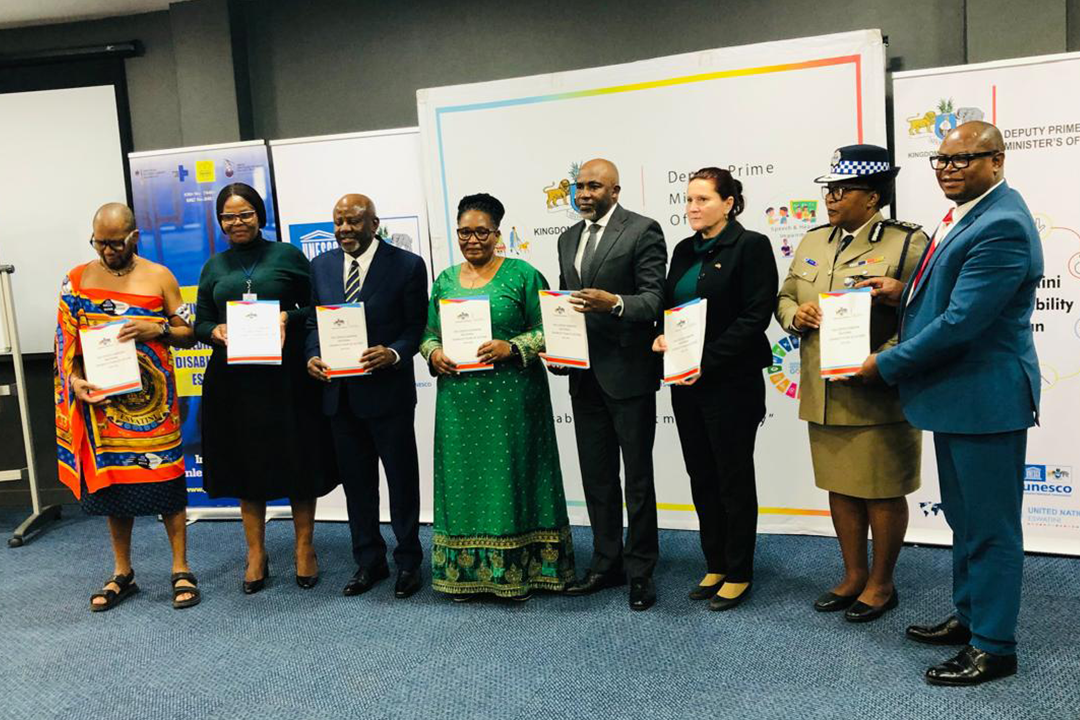
The Government of Eswatini has launched the Costed National Disability Plan of Action 2026–2028 together with the Young Heroes–Imbita Project on developing inclusive communities for children with disabilities, signalling a renewed commitment to ensuring that disability inclusion becomes part of the country’s development journey.
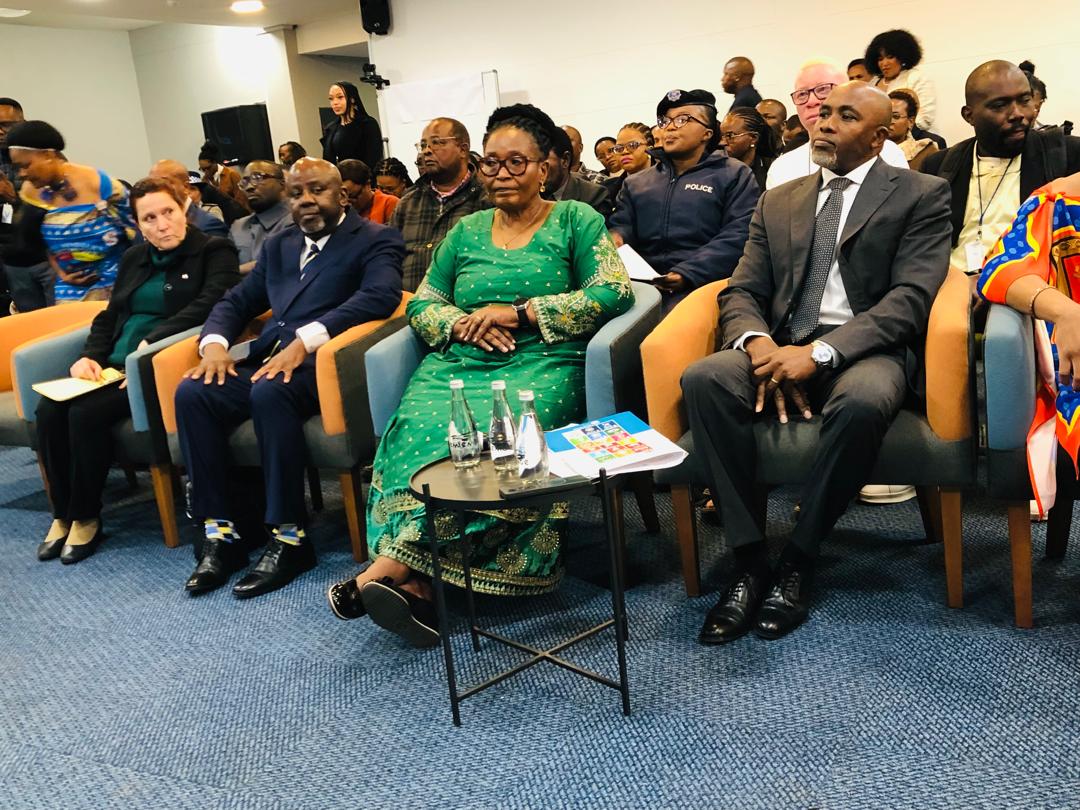
Delivering her remarks during the launch, Deputy Prime Minister Honourable Thulisile Dladla said inclusion must move from being an aspiration to becoming a practical commitment supported by resources, coordination and action.
She said the true measure of development is not only reflected in economic figures but in how a nation supports citizens who have historically faced exclusion.

“The true measure of any nation’s development is not found in graphs, statistics or figures, but in how it cares for its most vulnerable and marginalised citizens. That care begins with budgeting for inclusion,” said Hon. Dladla.
At the centre of the new disability action plan is an estimated investment of approximately E700 million, targeting critical areas such as inclusive education, healthcare, rehabilitation, employment opportunities, social protection, accessible infrastructure and community support.
The Deputy Prime Minister said the investment represents a commitment to ensuring that persons with disabilities are not left on the margins but are empowered to participate fully in society and contribute to national development.
The Young Heroes–Imbita Project places children and families at the heart of inclusion by strengthening caregivers, promoting early intervention and supporting communities to become safer and more accessible spaces for children with disabilities.
Hon. Dladla emphasised that inclusion cannot be achieved by government alone, calling for stronger partnerships between ministries, development partners, civil society, communities, traditional leaders and the private sector.
She acknowledged the support of partners including UNESCO, the Global Disability Fund, the United Nations family, Young Heroes and Imbita for contributing towards advancing disability rights and creating sustainable solutions.
The launch represents more than a policy milestone; it reflects a national commitment to creating an Eswatini where disability does not determine a person’s opportunities, dreams or contribution to society.
#Inclusiveeswatini #DisabilityInclusion #EmpoweringCommunities #LeavingNoOneBehind