



BY THEMBA ZWANE
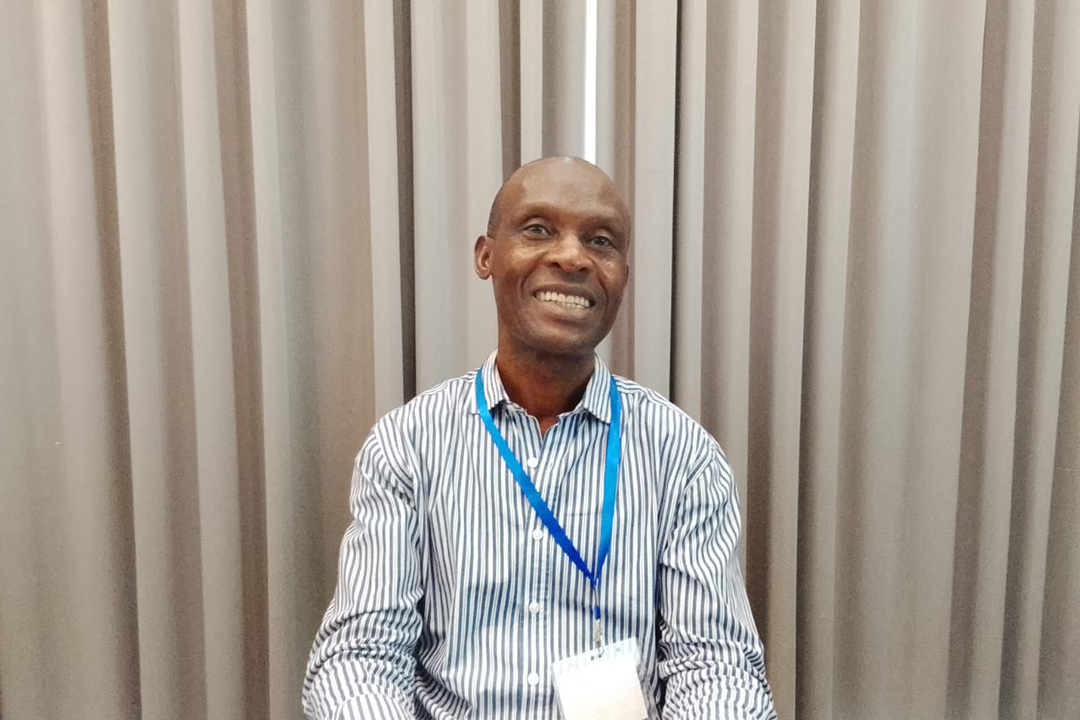
MBABANE– African Union (AU) technical expert on environment, climate change and blue economy Dr Patrick Karani has urged Eswatini to adopt a proactive approach to disaster preparedness, warning that authorities must put support systems in place before communities are affected by extreme weather conditions.
Karani, who is from Kenya, emphasised that preparation should not begin only after a disaster has occurred, but should involve identifying vulnerable communities, providing essential services and ensuring that adequate emergency facilities are available in advance.
He had been asked to share his expert opinion on how best the country could prepare for minimal effects of the anticipated El Nino-induced drought in the sub-sahara region while he attended and officiated at the AU InterAfrican Bureau for Animal Resources National Consultative Workshop on Enhancing Fisheries, Aquaculture and Aquatic Ecosystems in the National Blue Economy Strategy of the Kingdom of Eswatini at the Hilton Garden Inn.
He said people living in areas prone to flooding and mudslides, particularly vulnerable wetland settlements, should be identified and, where necessary, moved to safer, higher ground before dangerous conditions develop.

“People in hotspots, whereby they are prone to floods, mudslides, in wetland areas, they need to be evacuated and moved to higher grounds ahead of El Niño occurrence,” said Karani.
He stressed that authorities should also make adequate shelter and basic services available to communities that may be displaced by disasters.
“So that is very key in terms of support and having necessary facilities available to deal with the situation,” he said.
Karani’s remarks come as southern Africa faces the prospect of below-normal rainfall and above-average temperatures during the 2026/27 rainy season. The Southern African Development Community’s regional climate outlook identifies a developing El Niño as a key driver of the anticipated drier conditions across much of the region, including Eswatini.
The expert also highlighted the need to prepare for extreme heat, which can expose communities to heat-related illnesses, including heatstroke.
He called for the establishment of cool and safe spaces where people can seek shelter from excessive temperatures, particularly during periods of intense heat.
“So there must be cool areas that will make people provided for in terms of sheltering away from the heat to avoid the heat strokes, among others,” he said.
The proposed measures would help strengthen the country’s ability to protect vulnerable populations while ensuring that communities have access to assistance during periods of extreme weather.
Karani further explained that disaster preparedness should take account of the different weather risks that may arise under El Niño and La Niña conditions, with responses tailored to the particular hazards expected.
He emphasised that authorities should plan for both the possibility of drought and extreme heat and the risk of flooding in vulnerable locations, rather than relying on a single response strategy.
His call places emphasis on early warning, advance planning and the availability of resources before emergencies occur.
For Eswatini, preparedness would require coordination among relevant authorities to identify communities at risk, establish emergency shelters, ensure access to basic services and communicate timely warnings to residents.
The regional outlook released by SADC in August 2026 favours below-normal rainfall across Eswatini and much of southern Africa during October to December 2026, alongside an increased likelihood of above-average temperatures.
The outlook identifies the developing El Niño as a key climate driver, although regional authorities caution that rainfall patterns are influenced by several factors and that updated national forecasts remain important.
Karani’s remarks underscore the need for Eswatini to translate climate warnings into practical measures that protect lives, reduce vulnerability and strengthen the country’s capacity to respond to potential disasters.
#Eswatini #AfricanUnion #DrPatrickKarani #ClimateChange #ElNino #DisasterPreparedness #ClimateResilience #ExtremeWeather #DroughtPreparedness #EarlyWarningSystems
(Courtesy Pic)