



BY NELIWE NGUBANE
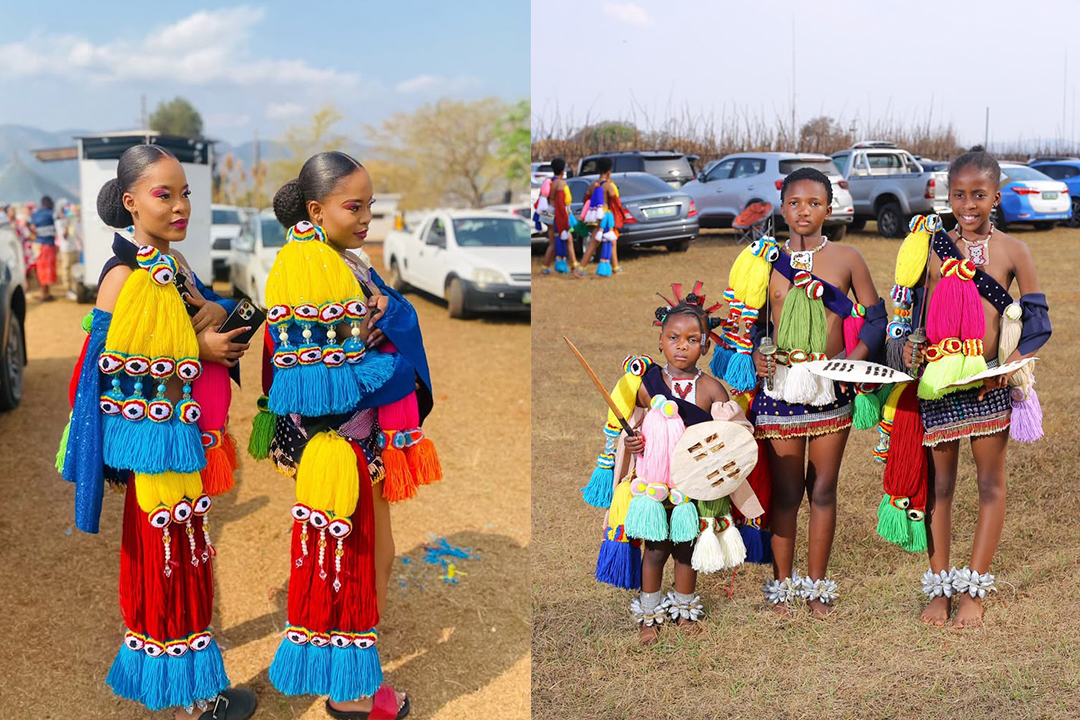
LOBAMBA – As thousands of maidens prepare for this year’s Umhlanga Reed Dance, one of the biggest highlights extends beyond the ceremony itself. The vibrant, hand-crafted traditional attire is once again stealing the spotlight, telling stories of Eswatini’s heritage through every bead, colour and carefully woven detail.
Across the country, artisans are working tirelessly to complete orders as families prepare their daughters for one of the nation’s most treasured cultural celebrations. From intricately beaded necklaces and colourful waist adornments to traditional skirts, tassels and matching accessories, every piece reflects the pride, identity and dignity associated with Umhlanga.
Traditional attire worn during Umhlanga is more than decorative clothing. It is a cultural expression that symbolises purity, unity and respect for EmaSwati customs. The colourful beadwork carries symbolic meanings, while the carefully selected patterns preserve traditions that have been passed down through generations. Each handmade garment is designed to complement the maidens’ appearance while honouring the values of the sacred ceremony.
At Sgombeni eKufeni, past Magomini before Sgombeni Primary School, traditional attire creator and seller Calisile Dlamini is among the artisans ensuring maidens are dressed in authentic EmaSwati designs ahead of the national event.

Dlamini said every garment begins with inspiration drawn from Eswatini’s rich cultural heritage.
“My inspiration comes from our culture and history as Emaswati. I look at traditional patterns, colours and specific bead colours. I also take time to study what our elders did before and the cultural meaning behind each design so I don’t just copy it; I understand it. To ensure authenticity, I use traditional materials. For me, every piece must tell an EmaSwati story and respect the dignity of Umhlanga. I also got inspiration from my late grandmother,” she said.
She explained that the demand for traditional attire has grown significantly over the years, with customers now extending beyond maidens.
“Before, it was mostly maidens preparing for Umhlanga. Now we also have emajaha and even tourists who want to look the part. Social media has helped because people see the designs and want their own. The biggest challenge is time and materials because everyone wants their orders at the same time. Sometimes quality beads and fabrics are difficult to find, and customers want modern touches while keeping the attire traditional. I encourage people to place their orders early to avoid disappointment,” she said.
The attire continues to evolve through improved craftsmanship while remaining rooted in tradition. Skilled artisans carefully combine colourful beads, cowhide, woven fibres and other traditional materials to create outfits that celebrate both beauty and cultural identity. Every bead is placed with precision, every colour selected with purpose, making each outfit a wearable piece of EmaSwati heritage.
For Dlamini, creating Umhlanga attire carries a responsibility that goes far beyond business.
“It means everything to me. Umhlanga is not just a ceremony; it is the heart of who we are as Emaswati. Knowing that the beadwork I make will be worn by maidens as they present themselves to Her Majesty and the nation makes me feel proud and responsible. I feel like I am keeping our heritage alive and teaching the next generation. It is more than business but a service to my culture. When I see the maidens looking beautiful and proud in attire I helped create, I feel like I am part of something bigger than myself.”
As anticipation for Umhlanga continues to build, the colourful traditional attire remains one of the ceremony’s most captivating symbols; preserving Eswatini’s cultural identity while allowing generations of maidens to proudly wear their heritage, one carefully crafted bead at a time.
#Umhlanga2026 #EswatiniCulture #TraditionalAttire #EmaSwatiHeritage #Beadwork #CultureLivesOn