BY MBONO MDLULI
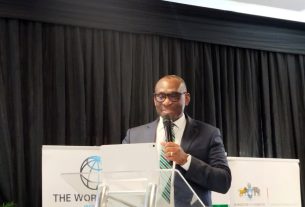
MBABANE – Minister of Agriculture Mandla Tshawuka challenged veterinary scientists to find ways to tackle livestock diseases without closing borders.
He made this statement on March 11, 2025 during the opening ceremony of the 12th Regional Steering Committee of the Global Framework for the Progressive Control of Trans Boundary Animal Disease Meeting at Hilton Garden Inn in Mbabane.
The minister informed veterinary experts from African countries that closing border lines could no longer be considered a relevant solution due to the establishment of the African Continental Free Trade Agreement (AfCFTA), which aims to enhance trade among African nations. He emphasised that it would not make sense for organisations to be seen as hindering the efforts of African countries to promote trade. Therefore, he urged that alternative ways of controlling diseases should be explored without negatively impacting trade.

Minister Tshawuka expressed his appreciation for the invitation to officially open the meeting, noting it was a high-level gathering of the African Chapter of the Global Framework for the Progressive Control of Transboundary Animal Diseases (GF TADS). He explained that GF TADS is an international body founded by the Food and Agriculture Organisation (FAO) and the World Organization for Animal Health (WOAH) on May 24, 2004, with the primary objective of controlling transboundary animal diseases and facilitating safe trade. He mentioned that it combines the strengths of the FAO in animal production with the expertise of the WOAH in setting international animal health standards, bringing together stakeholders in animal health and production.

Reflecting on the achievements of the organisation over the past 20 years, he highlighted the elimination of rinderpest as one of the most significant milestones. This infectious viral disease, which had previously devastated livestock, was effectively eradicated in 2011 through collaboration among various sectors.
The minister stated that participation in the setting of international standards is crucial for Africa, and through GF TADS, they could take their place at the international table. He stressed the importance of speaking with one voice on contentious international issues, particularly those affecting the population.
He added that the Kingdom of Eswatini appreciates and embraces the work of international bodies such as GF-TADS, FAO, and WOAH, as they help the nation achieve its goals, particularly in ending hunger and poverty. He pointed out that animal diseases pose obstacles to food sovereignty and improving household livelihoods, necessitating vigilance against outbreaks, especially of transboundary diseases such as Foot and Mouth Disease (FMD), Peste des Petits Ruminants (PPR), African Swine Fever, and Avian Influenza. He was pleased to announce that Eswatini is recognised by WOAH as free from these diseases without vaccination, which protects their markets and animal productivity.
Minister Tshawuka remarked that his intention was not to elaborate on a topic he was not an expert in, as there were many knowledgeable individuals present. Instead, he wanted to challenge the experts to find systems and techniques that would prevent transboundary diseases without severely hindering trade. He noted that while Eswatini does not want FMD to enter the country, it does seek to import genetics to improve its herds.
He concluded by wishing everyone fruitful discussions and encouraged them to enjoy the ambience, peace, and tranquillity of the Kingdom of Eswatini.