


BY MFANUFIKILE KHATHWANE
EZULWINI — The Ministry of Health, through its Non-Communicable Diseases (NCD) Programme, on January 23, 2026 distributed diabetes self-care equipment worth approximately E500 000 at Bethele Court, Ezulwini, providing critical support to children and young people living with Type 1 diabetes, with the overall value of assistance, including insulin and transport fridges, standing at about E2.5 million.
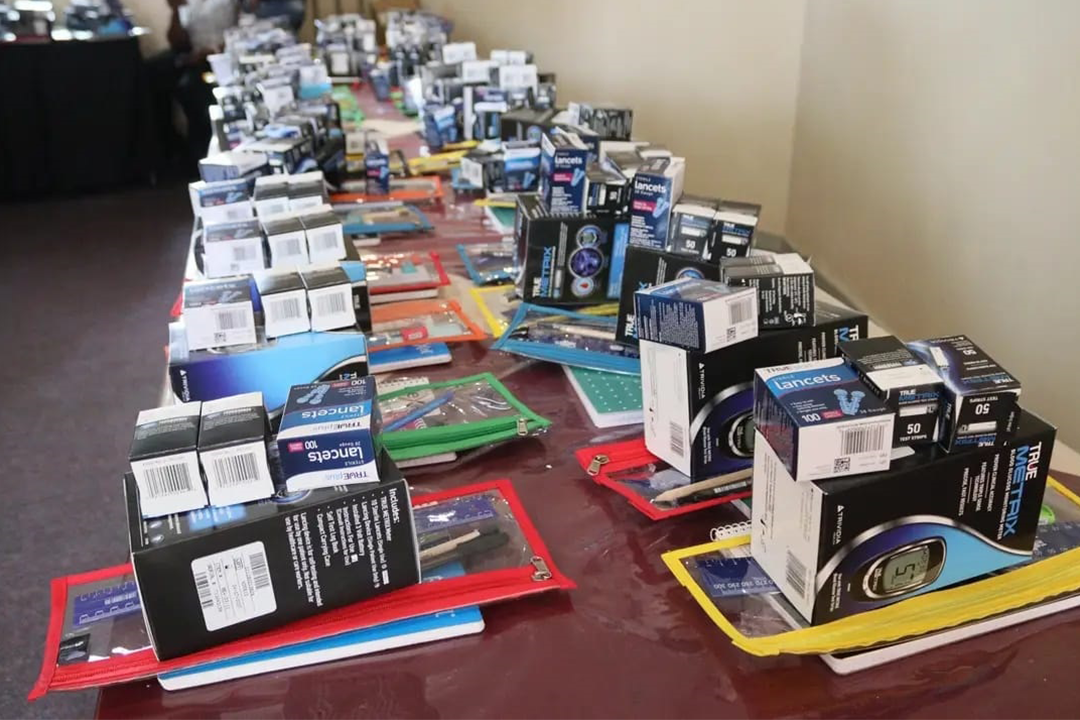
The donation was facilitated by the Ministry of Health, through its Non-Communicable Diseases (NCD) Programme, in partnership with international organisation Life for a Child. A total of 276 diabetes management packs were distributed to children and young adults up to the age of 26, strengthening their ability to manage the condition at home.
The equipment included blood glucose monitoring meters (glucometers), test strips, sterile lancets and needles, all critical for daily monitoring and early detection of complications. According to the Ministry, more than 70 children benefited during the current phase, with the programme targeting about 256 beneficiaries nationwide.
Speaking at the event, Nontobeko Dube from the Ministry’s NCD Case Management Unit said empowering patients with self-care tools and education remains central to improving diabetes outcomes.

Beyond the equipment distributed on the day, the Ministry confirmed that the overall value of support, which includes injectable insulin and specialised fridges used to safely transport insulin to regional health facilities, stands at approximately E2.5 million.
Beneficiaries also received stationery packs, supported by the Clinton Health Access Initiative (CHAI), to help patients keep daily records of blood glucose levels and treatment details for presentation during clinic visits.
Parents and caregivers welcomed the initiative. Zodwa Mamba-Gumedze from Siphofaneni expressed appreciation for the education and guidance provided by health officials, noting that it has improved how families care for children living with Type 1 diabetes.
However, challenges persist. Tembuso Mavuso highlighted the high cost of insulin when supplies are unavailable at public facilities, saying insulin can cost between E500 and E700 per bottle, with patients requiring up to three bottles per month. She called for strengthened government support and improved access to specialised diabetes services.
Meanwhile, Vusi Shabangu of the NCD Programme reaffirmed the Ministry of Health’s commitment to supporting people living with diabetes, emphasising that partnerships such as those with Life for a Child remain vital in ensuring sustainable access to life-saving treatment.
#Type1Diabetes #DiabetesCare #ChildHealth #MinistryOfHealth #PublicHealth #LifeForAChild #NCDs