


BY GCWALISILE MHLABANE
MANZINI – Eswatini has gained a new group of specialised professionals equipped to save lives during emergencies, reduce disaster risks and improve safety in workplaces and communities.
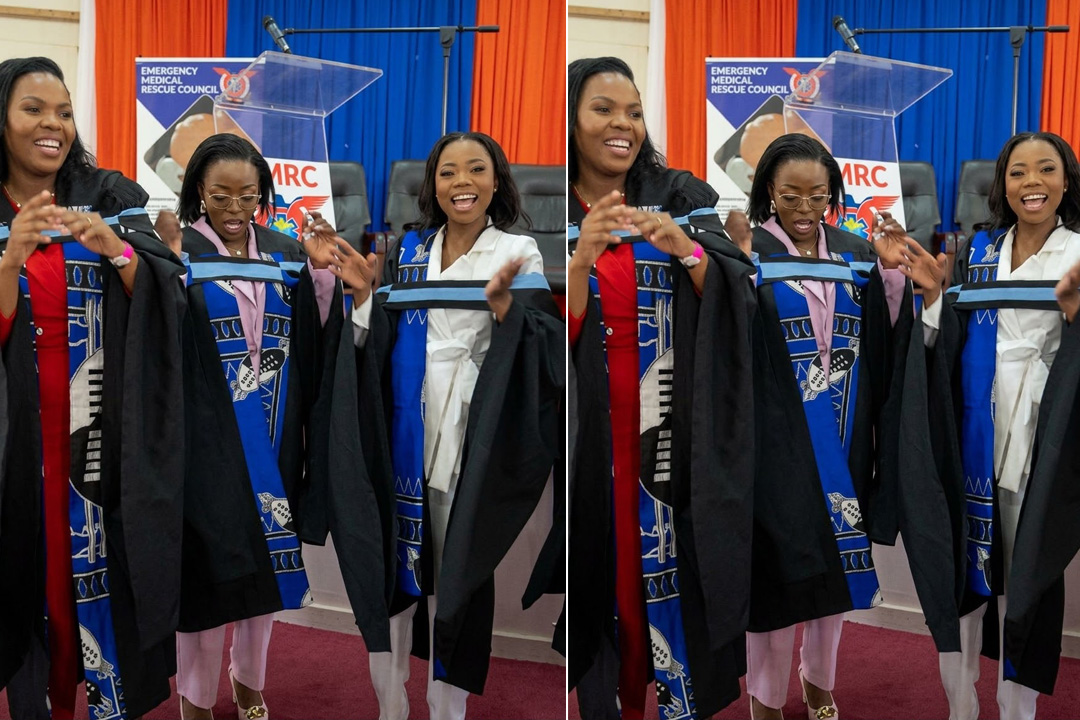
The graduates completed programmes in Emergency Medical Care and Rescue, Disaster Risk Reduction and Management, and Occupational Safety and Health at the Emergency Medical Rescue College (EMRC).
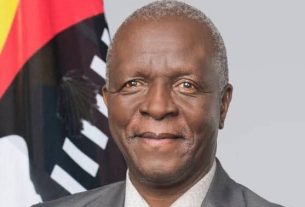
Minister of Education and Training Owen Nxumalo, represented by Director of Education Dr Tholakele Mngomezulu during the college’s seventh graduation ceremony held at the Metropolitan Evangelical Church in Manzini on Thursday, October 1, 2026, said the specialised training was an important contribution to public service.
Nxumalo said the programmes were among new fields being introduced in Eswatini and were helping build a workforce prepared to respond to emergencies and other challenges facing communities.

“In an era defined by rapid change and unforeseen global challenges, the expertise you have cultivated here is not merely an academic achievement; it is vital public service,” the Minister said.
He said the certificates and diplomas awarded to the graduates reflected their dedication as well as the efforts of their educators.
Nxumalo said the importance of their qualifications would be demonstrated through their ability to apply their knowledge in situations where lives, workplaces and communities were at risk.
“Your skills will save lives, secure workplaces, and stabilise communities during times of crisis,” he said.
The Minister urged the graduates to carry the values of resilience, service and innovation into their professional careers.
“You are the first responders of a new academic frontier,” Nxumalo said.
He said their training had prepared them for practical challenges requiring specialised knowledge, particularly in emergency response, disaster management and occupational safety.
Nxumalo also highlighted EMRC’s plans to expand its academic offering as part of its development.
He said the college was progressing towards offering bachelor’s degrees and transforming into a University of Applied Sciences.
According to the Minister, the proposed transformation would create opportunities for applied research, innovation and community service while strengthening the link between academic knowledge and practical solutions.
“By bridging the gap between theoretical knowledge and practical execution, we are ensuring that our workforce is not only educated but empowered to solve real-world problems,” he said.
Nxumalo commended EMRC for its approach to applied sciences, saying the institution was helping prepare graduates for a rapidly changing world where adaptability was increasingly important.
He encouraged the graduates to use their qualifications in service of society and to remain committed to making a difference in the communities where they would work.
The seventh graduation therefore marked more than the completion of academic programmes. It added specialised skills to Eswatini’s workforce in areas directly linked to emergency response, disaster preparedness and workplace safety.
As the graduates move into their respective fields, they will be expected to translate their classroom training into practical action, particularly when emergencies occur and communities require timely and informed intervention.
(Courtesy Pic)