


- CEO says legal action may be taken against clients failing to settle accounts
BY MBONO MDLULI
MBABANE – The Eswatini Public Procurement Regulatory Agency (ESPPRA) has intensified efforts to recover outstanding debts amounting to E5.4 million following concerns raised by the Auditor General over the growing level of uncollected trade receivables.
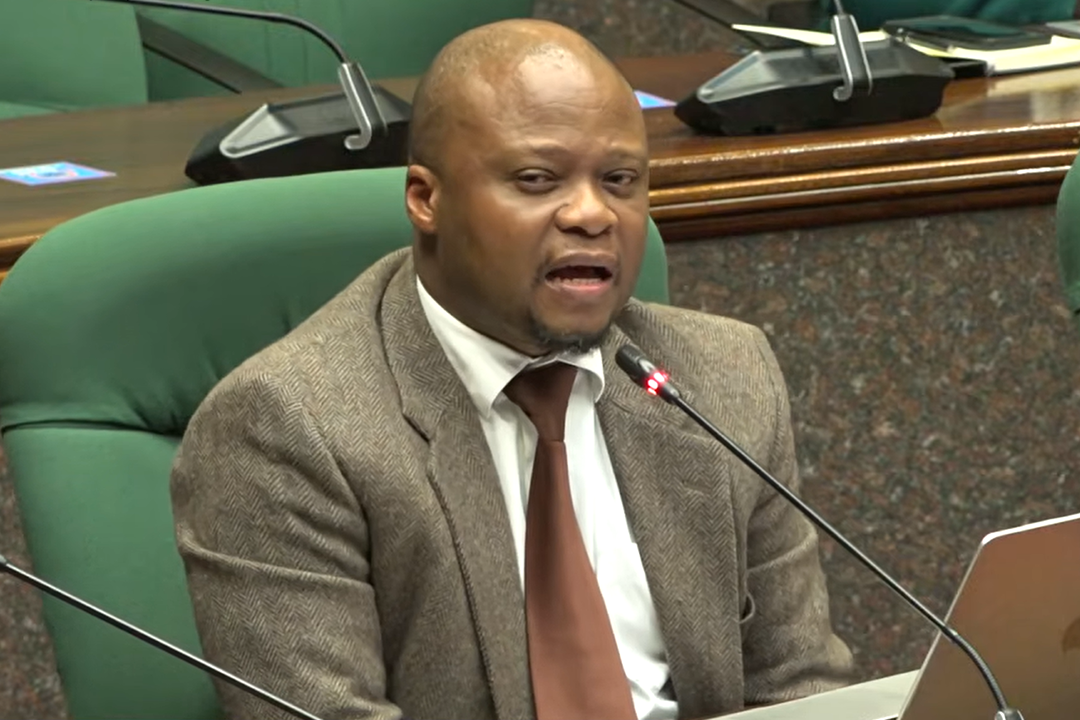
The matter came under scrutiny during a Public Accounts Committee (PAC) session with parastatals under the Ministry of Finance held in the House of Assembly on Thursday, June 18, 2026.
Led by Chief Executive Officer Vusumutiwendvodza Matsebula, ESPPRA, which is one of the parastatals under the Ministry of Finance, appeared before the committee to respond to issues raised in the Auditor General’s report concerning the agency’s financial management and debt collection efforts.
According to the Auditor General, ESPPRA had accumulated trade receivables amounting to E5.4 million for services rendered to clients, which remained uncollected as at March 31, 2024.

The Auditor General expressed concern that the increase in outstanding debts could negatively affect the agency’s liquidity position and its ability to effectively carry out its mandate.
The report further revealed that approximately 45 percent of the agency’s trade receivables had remained outstanding for an extended period, raising concerns about the effectiveness of debt recovery mechanisms.
Debt Recovery Efforts Underway
Responding to the concerns, Matsebula explained that ESPPRA’s client base consists largely of government entities, including central government ministries, government agencies and parastatals.
He told the committee that the agency had already taken steps to engage debtors and recover the outstanding amounts.
“We have written to the affected parastatals and agencies and some have already started making payments while others have committed to settling their outstanding balances,” said Matsebula.
He added that while many institutions had responded positively, there were others that had remained reluctant to settle their debts.
For those entities, ESPPRA is considering stronger measures.
“There are some that do not want to pay, and legal action will be taken where necessary,” he said.
Government Billing Challenges
Matsebula also highlighted challenges the agency previously experienced in billing central government institutions.
He explained that government entities often took a long time to settle invoices, partly due to administrative delays and changes within the Accountant General’s office.
According to the CEO, these challenges affected the agency’s ability to collect revenue timeously and contributed to the growth in outstanding receivables.
However, he revealed that government ministries are no longer being charged for certain services following a policy directive issued to the agency.
“What we are doing for government ministries is now free because we were directed not to charge them,” he explained.
Strengthening Financial Sustainability
Despite the challenges, Matsebula expressed optimism that the measures currently being implemented would improve collections and strengthen the agency’s financial position going forward.
The CEO said management remains committed to ensuring that all outstanding debts are pursued while maintaining good working relationships with clients.
Members of the Public Accounts Committee emphasised the importance of improving debt recovery processes and ensuring that public institutions honour their financial obligations.
The Auditor General’s concerns come as public entities are increasingly being encouraged to strengthen revenue collection systems and improve financial sustainability.
Observers noted that the recovery of the outstanding E5.4 million would help improve ESPPRA’s cash flow position and support the agency’s efforts to regulate and strengthen public procurement systems in Eswatini.
The matter remains under review by the Public Accounts Committee as it continues its examination of audit findings across government institutions and parastatals.